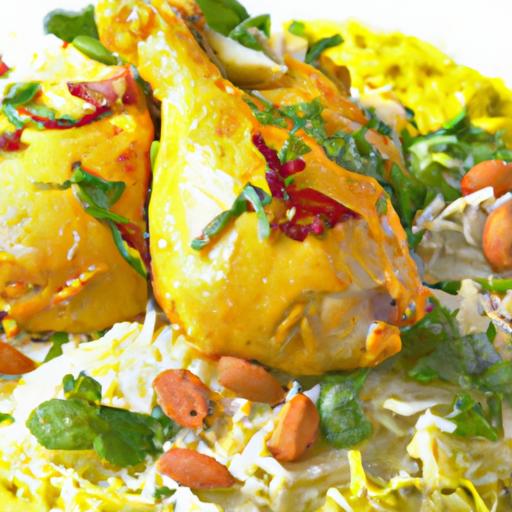
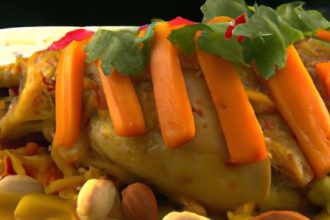

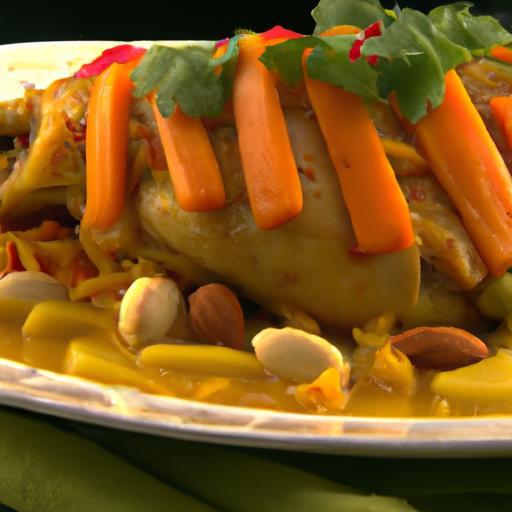
In the vibrant tapestry of Persian cuisine, few dishes shine as brilliantly as Zereshk Polo ba Morgh-a fragrant celebration of flavors where golden saffron rice and tangy barberries meet tender, spiced chicken in perfect harmony. This beloved Persian classic is more than just a meal; it’s a sensory journey through centuries of tradition,culture,and culinary artistry. As the jewel-toned zereshk (barberries) sparkle against the backdrop of fluffy, saffron-infused polo, and the aromatic morgh (chicken) releases its warm embrace, every bite tells a story of Persia’s rich heritage and its enduring love for bold, balanced tastes. Join us as we explore the origins, ingredients, and magic behind Zereshk polo ba Morgh-persia’s saffron chicken delight.
Zereshk Polo ba Morgh is nothing short of a fragrant celebration of Persian culinary artistry. This iconic saffron-infused rice paired with succulent chicken captures the heart and soul of Iran’s rich food heritage.The delicate threads of saffron create an aromatic symphony that elevates the tart, jewel-like barberries, while tender, juicy morgh (chicken) infused with warm spices completes this dish with authentic charm. Every bite invites you on a sensory journey to Persian kitchens, where stories are shared over family meals.
Prep and Cook Time
- Preparation: 30 minutes
- cooking: 1 hour 15 minutes
- Total: 1 hour 45 minutes
Yield
Serves 4 generous portions
Difficulty Level
Medium - Ideal for home cooks ready to explore Persian flavors with confidence
ingredients
- 2 cups basmati rice, rinsed and soaked for 30 minutes
- 1/2 teaspoon saffron threads, crushed and dissolved in 3 tablespoons warm water
- 1 cup zereshk (dried barberries), rinsed gently
- 4 bone-in chicken thighs
- 1 large onion, finely sliced
- 3 tablespoons vegetable oil
- 2 tablespoons butter
- 1 teaspoon turmeric powder
- 1 teaspoon ground cinnamon
- 1/2 teaspoon ground black pepper
- Salt to taste
- 3 tablespoons granulated sugar (to offset barberry tartness)
- 1 cup low-sodium chicken broth
- Fresh parsley or mint, for garnish
Instructions
- Prepare the rice: Drain the soaked rice and bring a large pot of salted water to a boil. Add rice and cook until just tender but still firm, about 6-7 minutes. Drain and rinse under cold water to stop cooking. Set aside.
- Infuse the saffron: Crush saffron threads and soak in warm water for 10-15 minutes to release the vibrant color and signature aroma.
- Cook the chicken: Heat 2 tablespoons of oil in a deep skillet over medium heat. Add onions and sauté until golden, about 8 minutes, stirring frequently. add chicken thighs, turmeric, cinnamon, black pepper, and salt.Brown the chicken for 5-7 minutes on each side, sealing in juices.
- Simmer chicken: Pour in chicken broth, cover, and reduce heat to low. simmer gently for 35-40 minutes until chicken is tender and cooked through.
- Sauté the barberries: In a small pan,melt 2 tablespoons of butter with 3 tablespoons sugar.Add barberries and sauté on low heat for 2-3 minutes, stirring gently to prevent burning. The sugar balances the tartness and the butter enhances their glossy appearance.
- Assemble the rice: In a large pot, layer half of the rice, drizzle half the saffron water, then the remaining rice and saffron on top.Cover with a lid wrapped in a clean towel to absorb steam and cook on low for 20-25 minutes, creating a golden tahdig crust.
- Plate elegantly: Fluff the saffron rice gently with a fork. On a serving platter,mound the rice,sprinkle the sautéed zereshk over the top for bursts of ruby color,and arrange chicken thighs alongside.
- Garnish and serve: Add fresh parsley or mint leaves for a pop of green and fresh aroma. Serve with a side of creamy yogurt or Shirazi salad for a balanced meal.
Tips for Success
- Selecting the chicken: Choose bone-in, skin-on thighs to retain moisture and enhance flavor. Chicken breast can dry out quickly and lacks the rich taste needed here.
- Handling saffron: Invest in high-quality saffron threads and always bloom them in warm water before use to maximize their flavor and vibrant hue.
- Barberry caution: Dried zereshk is delicate; rinse gently and sauté only briefly with sugar and butter to avoid bitterness or burning.
- Rice texture: Soaking basmati and parboiling it ensures wonderfully fluffy grains without stickiness.
- Tahdig crust lover? Try adding a thin layer of thinly sliced potatoes or bread at the bottom before steaming the rice to create an alternative crispy crust.
- Make-ahead tips: Chicken can be marinated up to 24 hours with spices and refrigerated for deeper flavor. Cooked rice and chicken reheat well on stove or microwave, just add a splash of water to prevent dryness.
Serving Suggestions
Present your Zereshk Polo ba Morgh on a large customary Persian platter to share the communal joy of this dish. Fresh herbs like mint and parsley add brightness and visual appeal. accompany with a cool Persian cucumber and tomato salad tossed with lemon juice and dried mint to contrast the warm spices. A dollop of thick Greek yogurt, seasoned with a pinch of sumac, complements the tangy zereshk perfectly and cools the palate.

| Nutrient | Per Serving |
|---|---|
| Calories | 520 kcal |
| Protein | 38 g |
| Carbohydrates | 55 g |
| fat | 15 g |
For those eager to deepen their Persian culinary repertoire, explore our guide on Mastering Persian Spices and Aromatics. To understand saffron’s global meaning and tips on sourcing premium threads, the International Saffron Organization offers excellent resources.
Q&A
Q&A: Zereshk Polo ba Morgh – Persia’s Saffron Chicken Delight
Q1: What is Zereshk Polo ba Morgh?
A1: zereshk Polo ba Morgh is a classic Persian dish that beautifully marries fragrant saffron-infused rice with tangy barberries (zereshk) and tender, succulent chicken (morgh). It’s a beloved staple in Iranian cuisine, often served during special occasions and family gatherings to showcase both flavor and tradition.
Q2: What makes Zereshk Polo ba Morgh unique compared to other rice and chicken dishes?
A2: The magic lies in the vibrant combination of ingredients. The rice,delicately soaked with saffron,shines golden and offers a subtle floral aroma,while the barberries add a striking tartness and bursts of color.Paired with slow-cooked, spiced chicken, the dish balances savory, sweet, and sour notes in a way that’s uniquely Persian.
Q3: What are barberries and why are they crucial in this dish?
A3: Barberries, or zereshk, are tiny, ruby-red berries that bring a pleasantly sharp and tangy flavor to the meal. They’re a signature ingredient in zereshk Polo, cutting through the richness of the chicken and enhancing the saffron rice with their luminous, zesty punch. Besides flavor, their vivid color makes the dish visually captivating.Q4: How is the saffron used in the rice preparation?
A4: Saffron threads are usually soaked in warm water or brewed into a fragrant infusion before being gently mixed into the partially cooked rice. This process allows the rice to absorb the saffron’s luxurious aroma and golden hue evenly, creating a signature Persian rice that is both aromatic and visually stunning.
Q5: What spices and seasonings are typically used to flavor the chicken?
A5: Chicken in Zereshk Polo ba Morgh is often marinated or cooked with a blend of warming spices such as turmeric, cinnamon, cardamom, and sometimes a touch of saffron. Onions and garlic amplify the savory depth, while a gentle simmer ensures the chicken remains tender and flavorful.
Q6: Can Zereshk Polo ba Morgh be adapted for different dietary preferences?
A6: Absolutely! While traditionally made with chicken, the rice and barberries can beautifully accompany other proteins like lamb or even hearty vegetables for a vegetarian twist. The key is preserving the saffron and zereshk combo, which defines the essence of the dish.
Q7: How is Zereshk polo ba Morgh traditionally served?
A7: This dish is frequently enough presented on a large platter, with the saffron rice and barberries forming a beautiful bed beneath the golden chicken pieces. It’s typically accompanied by fresh herbs, a side of yogurt or salad Shirazi, and sometimes a squeeze of fresh lime to brighten the meal further.
Q8: What cultural significance does Zereshk Polo ba Morgh hold in Persian cuisine?
A8: Beyond its delightful taste, Zereshk Polo ba morgh symbolizes hospitality, celebration, and the rich culinary heritage of Iran. It’s a go-to dish during weddings,Nowruz (Persian New year),and festive gatherings,embodying the warmth and generosity that are hallmarks of Persian culture.Q9: What cooking tips help achieve the perfect texture in the rice?
A9: To get that prized fluffy and fragrant Zereshk Polo, rinsing the rice thoroughly to remove excess starch is crucial. Parboiling the rice until just tender, then steaming it on low heat allows the grains to remain separate and light. Adding a bit of butter or oil and ensuring the saffron infusion is evenly distributed makes the dish shine.
Q10: Where can one find the essential ingredients like barberries and saffron outside of Iran?
A10: Many Middle Eastern and specialty grocery stores carry genuine Persian saffron and dried barberries. Online retailers that focus on authentic global spices are also excellent sources, ensuring that home cooks worldwide can recreate this Persian masterpiece with ease.
Wrapping Up
As the fragrant steam of Zereshk Polo ba Morgh rises, it carries with it centuries of Persian heritage and a symphony of flavors that dance on the palate.This saffron-kissed chicken dish is not just a meal but a storytelling experience-each bite a chapter woven with tart barberries,aromatic spices,and tender poultry. Whether savored in the heart of Tehran or recreated in a home kitchen thousands of miles away, Zereshk Polo ba Morgh invites us to explore the rich tapestry of Persian cuisine, reminding us that food, at its best, is both a celebration and an invitation to connect. So next time you crave an edible journey steeped in tradition,let this golden-hued delight be your guide to the warmth and wonder of Iran’s culinary artistry.