
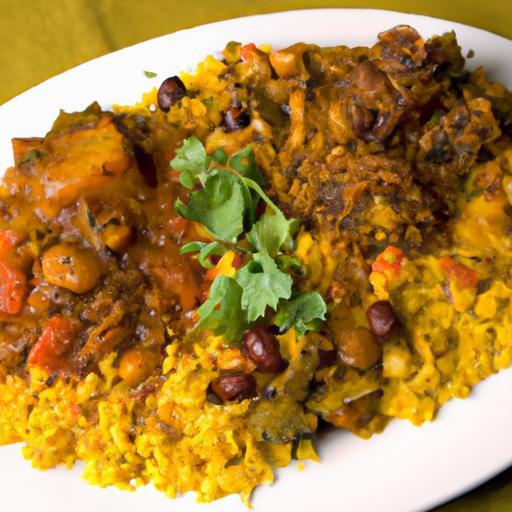
In the vibrant tapestry of Afro-Brazilian cuisine, few dishes evoke the rich cultural heritage and bold flavors of Brazil’s northeastern coast quiet like vatapá. This savory, creamy stew-born from a harmonious blend of seafood, coconut milk, palm oil, and an array of aromatic spices-invites food lovers on a sensory journey steeped in history and tradition. More than just a dish, vatapá is a appetizing storyteller, weaving tales of African roots, indigenous influences, and Portuguese colonial legacies into every mouthful. Join us as we explore the origins, ingredients, and cultural significance of vatapá, uncovering the essence of a culinary treasure that continues to captivate palates and preserve a vibrant legacy.
Vatapá is more than a beloved dish-it’s a vibrant party of Afro-Brazilian heritage, a culinary tapestry that carries centuries of history within every spoonful. Originating from the coastal state of Bahia,this creamy,spiced seafood and bread stew embodies the resilience,creativity,and cultural fusion of enslaved Africans and indigenous communities in Brazil. my first taste of vatapá instantly connected me to those rich traditions-its bold flavors, luxurious texture, and unique blend of ingredients captured the soul of Afro-brazilian cuisine, inviting me on a flavorful journey I’m thrilled to share with you.
Origins and Cultural Significance of Vatapá in Afro-Brazilian Heritage
Vatapá’s roots trace back to West african culinary traditions, where pureed nuts, bread, and seafood stews were common. Transplanted to Brazil, these recipes mingled with indigenous ingredients like dendê oil (red palm oil) and cassava flour, evolving into a signature dish integral to Afro-Brazilian religious and communal gatherings. Especially prominent during the Candomblé ceremonies, vatapá honors the orixás-deities worshiped in this Afro-Brazilian faith-making it a spiritual as well as gastronomic experience. Sharing vatapá at family tables or street festivals bridges past and present, transforming food into a living cultural testament.
Key Ingredients Unveiled: Bringing Authentic Flavors to Life
To craft vatapá’s signature flavor, authenticity is paramount.The soulful depth comes from dendê oil, which imparts a rich, slightly nutty aroma and radiant orange hue. Shrimp or fresh sustainable seafood provide the centerpiece protein, though the recipe also welcomes the vivid earthiness of cashew nuts and the subtle warmth of ginger and garlic. Moist, fluffy stale bread or farinha de mandioca acts as the thickening agent, melding with creamy coconut milk to create the dish’s velvety texture. Each ingredient plays a vital role, weaving together a tapestry of flavors that transport you straight to Bahia’s sun-drenched shores.
Prep and Cook Time
- Preparation: 25 minutes
- Cooking Time: 35 minutes
- Total: 60 minutes
Yield
Serves 6 generously, perfect for family gatherings or festive celebrations.
Difficulty Level
Medium - approachable with careful attention to technique and timing.
Ingredients
- 1 lb (450g) peeled and deveined shrimp, tails removed
- 2 cups stale white bread, crusts removed and torn into pieces
- 2 cups coconut milk, well shaken
- 1/2 cup roasted cashew nuts, roughly chopped
- 1 medium onion, finely chopped
- 3 cloves garlic, minced
- 1 teaspoon freshly grated ginger
- 1/2 cup dendê oil (red palm oil)
- 2 tablespoons ground peanuts or peanut butter (unsweetened)
- 1 small fresh chili pepper, deseeded and chopped (optional for heat)
- 1 tablespoon fresh cilantro, chopped
- 1 tablespoon vegetable oil or olive oil
- Salt and freshly ground black pepper to taste
- 1 lime, juiced
Step-by-Step Guide to Preparing Traditional Vatapá at Home
- Soak the bread: In a large bowl, soak the torn bread pieces in the coconut milk until wholly soft, about 10 minutes. Once softened, blend or mash to form a smooth, thick paste. Set aside.
- Prepare the shrimp: Season the shrimp with salt, pepper, and lime juice. Heat vegetable oil in a skillet over medium heat. Sauté shrimp until just pink and opaque, about 2-3 minutes per side. Remove and set aside.
- Sauté the aromatics: In the same skillet, add dendê oil over medium heat. Stir in the chopped onion,garlic,ginger,and chili if using. Cook until the onion is translucent and fragrant, about 5 minutes, stirring frequently to prevent burning.
- Add nuts and spices: Stir in the chopped cashew nuts and ground peanuts. cook for another 2 minutes, allowing the nuts to release thier oils and flavors into the pan.
- Combine bread paste: Slowly add the bread and coconut milk paste to the skillet, stirring continuously. the mixture will thicken-maintain medium heat to avoid sticking. Cook for 10 minutes until thick and creamy, adjusting with a little water or extra coconut milk if it becomes too dense.
- Incorporate shrimp: Add the sautéed shrimp into the vatapá mixture. stir gently and cook for another 5 minutes so flavors meld perfectly.
- Finalize and garnish: Taste and adjust seasoning with salt, pepper, and an extra splash of dendê oil if desired.Remove from heat, sprinkle fresh cilantro on top, and serve immediately for the best experience.
Tips for Success
- For a creamier vatapá, blend the soaked bread and nuts thoroughly to avoid lumps.
- If dendê oil is unavailable, substitute with a high-quality palm oil or a mix of olive oil and a dash of annatto powder to mimic a similar color and subtle flavor.
- Use stale bread for better texture-fresh bread can become gummy.
- Make ahead and refrigerate vatapá for up to 2 days; reheat gently,stirring in a little water or coconut milk to restore creaminess.
- vegetarian variation: Replace shrimp with firm tofu or heart of palm for a plant-based twist.
Pairing Vatapá with Local Sides and Drinks for a Complete Experience
Vatapá shines when served alongside fluffy white rice or farofa (toasted cassava flour), which perfectly absorb its rich sauce. Complement the dish with freshly steamed okra or sautéed collard greens for a vibrant vegetable contrast. To balance the richness, a crisp, citrusy caju (cashew fruit) juice or a homemade agua de coco (fresh coconut water) offers a refreshing finish. for a more festive affair, pair with a traditional Brazilian non-alcoholic batida de maracujá (passion fruit cocktail) made with sparkling water.
| Nutritional Info (per serving) | Calories | Protein | Carbohydrates | Fat |
|---|---|---|---|---|
| Vatapá | 310 kcal | 22 g | 18 g | 18 g |

For further reading on Afro-Brazilian culinary traditions and recipes, explore our detailed guide on Afro-Brazilian Flavors and Dishes.
Q&A
Q&A: Vatapá – A Flavorful Journey into Afro-Brazilian Cuisine
Q1: What exactly is Vatapá?
A1: Vatapá is a rich, creamy dish originating from Brazil’s Afro-Brazilian communities, especially prominent in the northeastern state of Bahia. It’s a vibrant, savory stew made with a blend of bread, coconut milk, palm oil, shrimp, and an array of spices that come together in a luscious, velvety texture bursting with layered flavors.
Q2: How did Vatapá become a symbol of Afro-Brazilian culture?
A2: Vatapá traces its roots back to West African culinary traditions, brought over by enslaved Africans during Brazil’s colonial period. Over time, it evolved by incorporating indigenous Brazilian ingredients and culinary techniques. Today, it stands as a delicious depiction of cultural fusion and resilience-a dish that tells stories of heritage, survival, and celebration.
Q3: What are the key ingredients that give Vatapá its distinctive flavor?
A3: the magic of Vatapá lies in the combination of creamy coconut milk, rich dendê oil (red palm oil), tenderly mashed bread or cassava, and fresh seafood like shrimp or sometiems fish. Aromatic spices such as ginger, garlic, onions, and chili pepper weave throughout, creating a harmonious balance of earthiness, heat, and sweetness.
Q4: Can vatapá be made vegetarian or vegan without losing its authentic taste?
A4: Absolutely! By focusing on the essential creaminess of coconut milk and the richness of dendê oil,Vatapá can shine without seafood. Ingredients like hearts of palm, cashews, or mushrooms provide texture and umami depth. The key is maintaining the aromatic spice blend and luscious consistency so the soul of the dish remains intact.
Q5: What dishes is Vatapá typically served with?
A5: Vatapá is often enjoyed alongside fluffy white rice or acarajé (black-eyed pea fritters). It also pairs beautifully with acarajé’s traditional accompaniments like fresh salad or lime. This combination balances the dish’s creamy richness with crisp and fresh elements, creating a well-rounded dining experience.
Q6: How can someone outside Brazil experience the true essence of Vatapá?
A6: Immersing yourself in Afro-Brazilian culture-whether by attending cultural festivals, cooking traditional recipes, or exploring Bahian restaurants-can bring Vatapá’s story and flavors to life. Experimenting with authentic ingredients like dendê oil and fresh seafood at home also helps capture that fiery warmth and depth that define this beloved comfort food.
Q7: What makes the use of dendê oil so important in Vatapá?
A7: Dendê oil is the heart of Vatapá’s signature flavor and brilliant golden-orange color. Extracted from african palm fruit, this oil imparts a slightly sweet, earthy, and smoky character that is essential for the dish’s depth and authenticity. Without it, Vatapá would loose much of its distinctive Afro-Brazilian soul.
Q8: How does Vatapá reflect the blending of African and brazilian culinary traditions?
A8: Vatapá is a culinary tapestry woven from African ingredients like palm oil and spices, indigenous Brazilian staples like cassava and coconut milk, and the local seafood bounty. This fusion exemplifies how Afro-Brazilian communities creatively adapted traditional recipes to new environments, forming dishes that celebrate diversity and place.
Q9: Are there regional variations of Vatapá within Brazil?
A9: Yes! While Bahia’s Vatapá is the most famous, other regions feature versions with different textures, spice levels, or key ingredients. Some incorporate peanuts or cashew nuts for richness, while others may adjust the balance of bread or manioc. These variations reflect local tastes and ingredient availability, enriching Vatapá’s story.
Q10: What is the best way to enjoy Vatapá for a full sensory experience?
A10: To savor Vatapá at its finest, serve it warm and alongside accompaniments like rice or acarajé. Engage all your senses-the inviting aroma of spices and palm oil, the vibrant color, the silky texture, and the layers of taste. Sharing the dish in a communal setting adds to the festive spirit, honoring its roots in celebration and togetherness.
To Conclude
As the rich aroma of vatapá lingers in the air, it serves as more than just a dish-it is a vibrant tapestry woven from the threads of history, culture, and community. This flavorful journey into Afro-Brazilian cuisine invites us not onyl to savor its creamy,spicy delights but also to appreciate the enduring legacy of the people who brought it to life. Whether enjoyed at a bustling street market in Bahia or recreated in your own kitchen miles away, Vatapá embodies a story of resilience, celebration, and connection.So, the next time you savor a spoonful, remember you are tasting centuries of tradition, carried forward with every bite-a true testament to the richness of Brazil’s cultural mosaic.