



fufu Unwrapped: A Delicious Journey through Africa’s Staple Food
In the rich tapestry of African cuisine, few dishes hold as much cultural importance and comforting familiarity as fufu. This humble, dough-like staple has nourished generations across the continent, weaving together stories of tradition, community, and culinary ingenuity.From the rolling hills of Ghana to the bustling markets of Nigeria and beyond, fufu’s soft, stretchy texture and subtle flavor invite both curiosity and celebration. Join us as we unwrap the layers of this beloved dish-exploring its diverse roots, the art of its readiness, and the vibrant role it plays at tables and in hearts throughout Africa. Whether you’re a seasoned foodie or a curious newcomer, this delicious journey promises to deepen your recognition for a food that’s much more than just a meal.
Origins and Cultural Significance of Fufu Across African Regions
fufu holds a revered place in African culinary heritage, a staple that transcends boundaries and generations. Originating centuries ago in West African societies, this smooth, dough-like food reflects the ingenuity and resourcefulness of diverse African cultures. Traditionally made by pounding boiled starchy tubers or grains such as cassava, yams, or plantains, fufu’s origins trace back to farming communities where it was both sustenance and symbol.
In countries like Ghana,Nigeria,Côte d’Ivoire,and Cameroon,fufu is more than nourishment-it’s a cultural connective tissue during communal meals,celebrations,and rites of passage. Its preparation is a social event, frequently enough involving family or neighbors, where the rhythmic pounding echoes stories and songs of ancestors.Across regions, slight variations in ingredients and preparation techniques tell stories of geography and history, yet the essence remains one: fufu is comfort, unity, and tradition in a bowl.
Mastering the Art of Making Fufu: Techniques and Tips for Perfect Texture
Fufu’s silky, stretchy texture is the hallmark of a well-prepared dish. Achieving this balance is a dance between choice of starch, processing method, and timing. The traditional approach involves pounding boiled yams or cassava with a mortar and pestle until the mass becomes elastic and dense. For the modern cook, achieving this in a home kitchen is approachable with a few tricks and the right ingredients.
Prep and Cook Time
- Preparation: 15 minutes
- Cooking: 25 minutes
- Total time: 40 minutes
Yield
- Serves 4 generous portions
Difficulty Level
- medium – requires attentive stirring and textural awareness
Ingredients
- 2 cups cassava flour (or yam flour, labeled “elubo” in West african stores)
- 4 cups water, divided
- 1/2 teaspoon salt, optional
- 1 tablespoon vegetable oil (optional, for smoother texture)
Instructions
- Bring 3 cups of water to a boil in a heavy-bottomed saucepan over medium heat.
- Once boiling, gradually add the cassava flour to the hot water while continuously stirring with a sturdy wooden spatula or a whisk to avoid lumps. Stir vigorously for about 5 minutes until a thick dough forms.
- Reduce heat to low, cover the pot, and let the dough steam for 10 minutes. This helps it cook thoroughly and develop elasticity.
- After steaming, add the remaining 1 cup of water gradually, mixing by hand or with a spatula to adjust the texture-add more water if it feels too firm, or flour if too loose.
- If using, incorporate the vegetable oil and salt here to enhance smoothness and flavor. Continue to knead the fufu in the pot or on a clean surface for 5 minutes until soft and stretchy.
- Transfer the fufu into a serving bowl, shaping into smooth balls with wet hands to prevent sticking.Serve immediately for best texture.
Tips for Success
- Choose your flour carefully: Cassava flour offers a mild, slightly tangy taste, while yam flour yields a more robust flavor and fluffier texture.
- Stirring is key: Constant stirring during initial mixing prevents lumps, which can compromise the signature smoothness of fufu.
- Water adjustments: Adding hot water in stages allows precise control over consistency; aim for a dough that holds shape yet remains pliable.
- Use a heavy pot: Even heat distribution ensures the fufu cooks evenly and avoids burning on the bottom.
- Make ahead: Prepare fufu earlier and reheat gently by steaming or microwaving with a damp cloth to restore softness.
Exploring Flavorful pairings: Soups and Stews That Elevate Your Fufu Experience
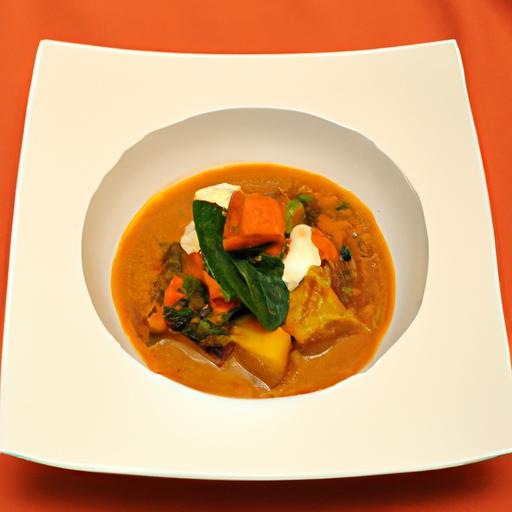
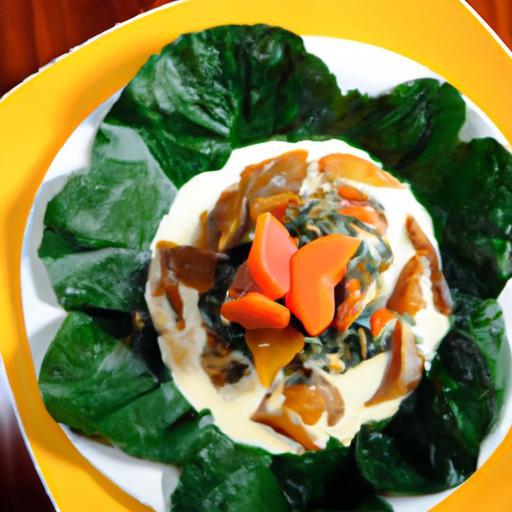
fufu achieves its greatness when paired with nutrient-dense, richly spiced soups and stews that marry earthiness and heat in every mouthful. Classic accompaniments include Egusi soup-a luscious watermelon seed stew thickened with leafy vegetables,Ogbono soup with its slippery texture,or the fiery Light soup,brimming with tomatoes and peppers. Each pairing complements fufu’s mild profile, creating a harmonious balance of flavors and textures.
Visualize tearing off a tender piece of fufu, dipping it into thick, aromatic broth, and savoring the marriage of creamy starch with spices and tender meats or fish.This interplay is what makes fufu an immersive eating experience, grounding the palate and nourishing the soul.
Health Benefits and Nutritional Insights of This Beloved African Staple
Fufu stands out as not only a cultural treasure but also a nutritional powerhouse. Made from root vegetables or grains, it offers a gluten-free source of complex carbohydrates vital for sustained energy.Cassava and yams are rich in dietary fiber, aiding digestion, while providing essential vitamins like vitamin C and potassium for heart and immune health.
Compared to refined grain products, fufu provides a feeling of fullness with fewer calories per serving, helping with weight management. Its simple ingredient list and absence of additives make it a clean, wholesome choice that can be adapted to various dietary needs, from vegan to paleo lifestyles.
| Nutrient | Per Serving (1 cup) |
|---|---|
| Calories | 160 |
| Protein | 1.5 g |
| Carbohydrates | 38 g |
| Fat | 0.1 g |
| Fiber | 2.5 g |
For those eager to dive deeper into African culinary staples, explore our detailed guide on African Grain Bowls. For additional health insights, the World Health organization’s nutrition page is an excellent resource.

Serving Suggestions
- Traditionally serve fufu hot alongside hearty soups like egusi, okra, or peanut stew, using your hands to scoop and dip.
- Garnish stews with chopped fresh herbs such as utazi, basil, or scallions to brighten flavors and add a pop of color.
- Present with sides of steamed greens or sautéed vegetables to introduce contrasting textures.
- Accompany with a small dish of spicy pepper sauce or fermented locust bean paste for an authentic flavor punch.
Q&A
Q&A: Fufu Unwrapped – A Delicious Journey Through Africa’s Staple Food
Q1: What exactly is fufu, and why is it so beloved across Africa?
A: fufu is a soft, dough-like staple food made by pounding starchy vegetables or grains-such as cassava, yams, or plantains-into a smooth, elastic texture. It’s beloved as it serves as a perfect vehicle for rich, flavorful African soups and stews, bringing communities together around the table in a shared, hands-on dining experience.
Q2: Which regions in Africa are most famous for their unique versions of fufu?
A: West Africa, particularly countries like Ghana, Nigeria, and Ivory Coast, is famous for its traditional cassava-based fufu. In Central and East Africa, variations exist too-think Ugandan cooked plantain fufu or Cameroonian cassava and maize blends-each reflecting local tastes and agricultural bounty.
Q3: How is traditional fufu prepared, and what makes its texture so distinct?
A: Traditional fufu involves boiling starchy roots or plantains until soft, then pounding them vigorously with a wooden mortar and pestle until the mixture turns smooth, stretchy, and slightly sticky. This hand-pound process, requiring rhythm and strength, creates its signature chewy yet tender texture, ideal for dipping.
Q4: What are some classic dishes or soups commonly enjoyed with fufu?
A: Fufu is frequently enough paired with hearty, savory stews like Ghanaian light soup, Nigerian egusi (melon seed) soup, or rich groundnut (peanut) stew. These soups burst with spices, vegetables, and sometiems fish or chicken, complementing fufu’s neutral flavor and turning each bite into a burst of cultural tradition.
Q5: Can fufu be made with modern shortcuts without losing its authenticity?
A: Yes! Today, busy cooks frequently enough use pre-cooked fufu flour blends that boil quickly and mimic the traditional texture. While these make preparation easier, nothing quiet matches the tactile, almost meditative experience of pounding fresh roots, which connects you physically to centuries of culinary heritage.
Q6: Is fufu gluten-free and suitable for various dietary needs?
A: Absolutely! Since fufu is made from naturally gluten-free ingredients like cassava, yam, or plantain, it’s a splendid option for those avoiding gluten or seeking nutrient-rich, plant-based staples. It’s a wholesome carb source with fiber and vitamins, offering balanced energy.
Q7: What does eating fufu together mean culturally in African communities?
A: Sharing fufu is more than nourishment-it’s a ritual affirming hospitality, family, and friendship. Traditionally eaten by hand, diners form small balls of fufu to scoop up soup, fostering connection and storytelling around the communal pot.It’s food that binds, celebrating unity through flavor and tradition.
Q8: How can someone new to fufu enjoy it without feeling intimidated?
A: Start with small portions and use your fingers to pinch off manageable bites of fufu, dipping into flavorful soups or sauces. Don’t be shy about getting a bit messy-it’s part of the fun! Pair it with familiar ingredients like chicken or vegetables if you like, gradually exploring more traditional recipes as your palate grows.
Q9: Are there sweet versions of fufu or related dishes across africa?
A: While fufu itself is primarily savory, some regions enjoy sweet variations or accompaniments. For example, pounded plantain dishes often have a slightly sweet undertone, and fufu-like doughs might be paired with honey or palm sugar in celebratory feasts, showcasing the versatility of these staple ingredients.
Q10: why is fufu considered more than just “food” in African culinary storytelling?
A: Fufu embodies history, resilience, and identity. It tells stories of harvest, survival, and community bonds formed across generations and geographies. Each knead and scoop offers a taste of cultural pride, inviting anyone who partakes to join a rich narrative that spans centuries and continents.
Embark on your own fufu adventure and savor the layers of flavor, tradition, and togetherness found in every bite!
Wrapping Up
As we peel back the layers of fufu’s rich heritage-from its humble beginnings in West African villages to its vibrant presence on tables across the continent and beyond-we come to appreciate more than just a dish. fufu is a symbol of community, resilience, and cultural pride, a testament to centuries of tradition wrapped in every soft, stretchy bite. Whether enjoyed with spicy stews, hearty soups, or simply shared among friends, this staple food invites us to taste not only Africa’s diverse flavors but also its enduring spirit. So the next time you twirl a ball of fufu, remember you’re partaking in a delicious journey that connects past, present, and future-one flavorful forkful at a time.