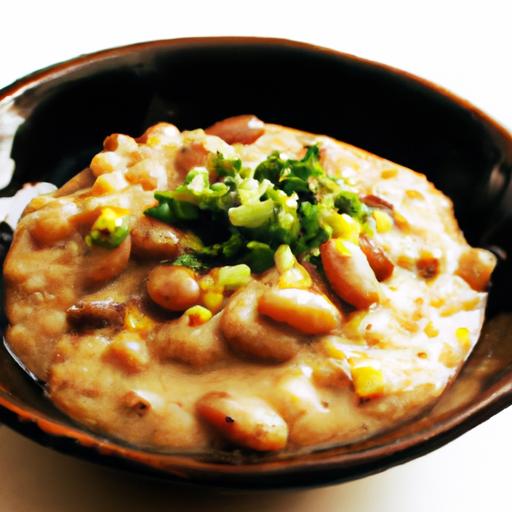




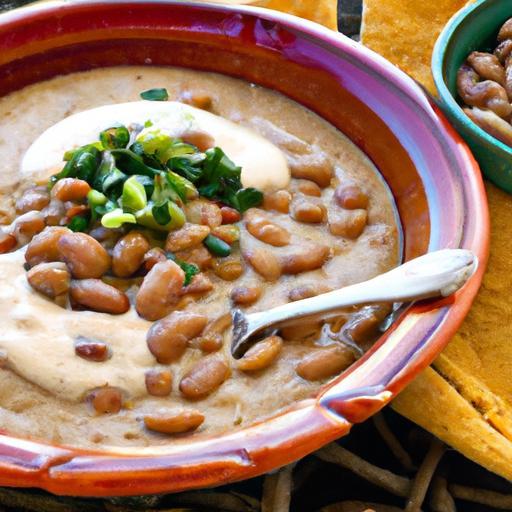
There’s something undeniably comforting about a scoop of velvety, perfectly creamy refried beans-a humble dish that transcends its simple ingredients to become a cornerstone of countless meals. Whether nestled alongside sizzling fajitas, smothered beneath layers of melted cheese, or served as a hearty side, refried beans have earned their place in kitchens around the world. But achieving that silky texture and rich, savory flavor isn’t always a given. In this ultimate guide,we’ll unravel the secrets behind crafting refried beans that are luxuriously creamy,deeply flavorful,and effortlessly versatile.Get ready to elevate this classic staple from ordinary to extraordinary, one spoonful at a time.
Refried beans are truly a cornerstone of vibrant Mexican cuisine, embodying centuries of tradition while offering a luscious canvas for creativity in every kitchen. Achieving that coveted creamy texture and deep, nuanced flavor starts with the careful selection of the ideal beans paired with mastering soaking and cooking techniques that unlock their full potential. Expect a velvety finish that melts effortlessly on the tongue-an irresistible harmony of smoothness and richness that elevates every bite.
Prep and Cook Time
- Prep Time: 12 hours (soaking included)
- Cook Time: 1.5 hours
Yield
Approximately 4 servings
Difficulty Level
Medium
Choosing the Ideal Beans for Creaminess and Flavor
Start with whole dried pinto beans or black beans, both favored for their ability to yield an extraordinary creamy texture after cooking. Pinto beans,with their naturally buttery interior,tend to break down beautifully,forming the perfect base for refried beans. Black beans bring a slightly earthier flavor and a striking visual contrast when plated. Be sure to select beans that are uniform in size and have a rich,unblemished skin; this guarantees even cooking and consistency.
For an extra layer of authenticity and richness, sourcing organic beans from a trusted market ensures maximum freshness and depth in flavor. Avoid pre-split or pre-cooked varieties as whole beans retain their texture and flavor nuances far better onc soaked and cooked.
Mastering the Soaking and Cooking Process for Silky Texture
The secret to cooking beans into that signature silky texture lies in patient planning. Begin by rinsing the beans under cold water to remove any dust or debris. Soak them overnight-at least 8 to 12 hours-in cool water with a pinch of baking soda.This alkalizes the water, softening the bean skins and reducing cooking time while promoting that plush softness essential for creamy refried beans.
Post soaking, drain and rinse the beans thoroughly.Simmer gently in fresh water seasoned with a clove of garlic, a bay leaf, and a pinch of salt-all staples that subtly infuse the beans without overpowering their natural taste. Maintain a low simmer and avoid boiling vigorously, which risks tearing the beans apart prematurely and resulting in a grainy texture.
Secrets to Achieving Perfectly Smooth and Rich Refried Beans
Once your beans have reached fork-tender perfection, the magic begins.Drain them but reserve some of the cooking liquid-it’s a treasure trove of flavor and has the perfect consistency to help you achieve that iconic creaminess without any heavy creams or thickeners.
In a well-seasoned skillet or heavy-bottomed pan, sauté finely chopped onions and minced garlic in a good quality extra-virgin olive oil or unrefined vegetable oil until fragrant and golden. This base creates a rich flavor foundation. Then add the drained beans and mash carefully with a potato masher or use a stick blender for an ultra-smooth finish. Gradually incorporate the reserved cooking liquid to loosen the mixture and coax out an irresistibly velvety texture.
For depth and richness, a drizzle of good-quality olive oil added at the end enhances the sheen and mouthfeel without weighing the beans down. balance is key-avoid over-processing, which makes the beans gluey, and under-mashing, which leaves them gritty.
Enhancing Your Beans with Authentic spices and Finishing Touches
The simple layering of flavors transforms humble beans into a sensational side or star dish. Stir in freshly ground cumin, smoked paprika, and a touch of chili powder to inject warmth and subtle smokiness evocative of Mexican kitchens. A squeeze of fresh lime juice brightens the beans, lifting the richness and adding a fresh, tangy contrast.
To finish, sprinkle chopped fresh cilantro over the top or add finely diced roasted poblano peppers for a smoky, grassy note. Toasted sesame seeds or a scattering of crumbled queso fresco can add textural intrigue and a touch of cool creaminess.For a vegan option packed with umami, a splash of soy sauce or a teaspoon of nutritional yeast can deepen the savory profile without altering the integrity of the dish.
Ingredients
- 1 cup dried pinto beans (or black beans), rinsed
- 8 cups water (for soaking and cooking)
- 1/4 teaspoon baking soda
- 1 small yellow onion, finely chopped
- 3 cloves garlic, minced
- 2 tablespoons extra virgin olive oil
- 1 bay leaf
- 1 teaspoon salt, plus more to taste
- 1 teaspoon ground cumin
- 1/2 teaspoon smoked paprika
- 1/4 teaspoon chili powder (optional, for mild heat)
- 1 tablespoon fresh lime juice
- Fresh cilantro, chopped for garnish
- Queso fresco or toasted sesame seeds (optional garnish)
Instructions
- Soak the beans: Rinse beans, place in a large bowl with baking soda, cover with 6 cups water, and soak 8-12 hours. Drain and rinse before cooking.
- Cook the beans: Transfer beans to a pot with 6 cups fresh water, bay leaf, and 1 clove garlic. Bring to a gentle simmer over medium-low heat, partially covered, for about 1.5 hours or until tender but not mushy. Skim foam as needed.
- Prepare the flavor base: While beans cook, heat olive oil in a large skillet over medium heat. Sauté onion and remaining garlic until translucent and golden, about 5 minutes, stirring frequently.
- Mash the beans: Remove bay leaf and garlic clove from beans. Drain beans, reserving 1-1.5 cups of cooking liquid. Add beans to skillet with onions, mash gently with a potato masher or immersion blender. Stir in cooking liquid gradually to achieve creamy consistency.
- Season and finish: Stir in salt, cumin, smoked paprika, chili powder, and lime juice. Continue to cook and stir for 3-4 minutes until flavors combine and beans reach desired thickness.
- Garnish and serve: Transfer to serving bowl,garnish with fresh cilantro and optional queso fresco or sesame seeds. serve warm.
Tips for Success
- Slow and low: Low simmer is crucial for tender beans without broken skins.
- Reserve cooking water: This flavorful liquid is essential for achieving the perfect creamy texture without diluting flavor.
- Oil choice: Neutral oils like avocado or sunflower also work well to keep the flavors crisp and authentic.
- Make-ahead: Beans thicken upon resting; add a splash of reserved cooking liquid when reheating to revive creaminess.
- Substitutions: For a gluten-free, vegan version, simply omit cheese garnish and avoid any broth with allergens.
Serving Suggestions
Thes creamy refried beans shine as a classic side to tacos, enchiladas, or grilled vegetables. spread them on warm corn tortillas with avocado slices, pickled jalapeños, and a sprinkle of cotija for an irresistible snack. For festive gatherings, layer with fresh pico de gallo and a dollop of plant-based sour cream for a crowd-pleasing dip.The vibrant green of cilantro and the glistening sheen of olive oil makes the dish as visually inviting as it is indeed delectable.

| Nutrient | Per Serving |
|---|---|
| Calories | 210 kcal |
| Protein | 13 g |
| Carbohydrates | 35 g |
| Fat | 5 g |
For more vibrant Mexican sides to pair with these refried beans, check out our Authentic Mexican Rice Recipe.
Discover more about the benefits of pinto beans and their nutritional impact from this USDA resource.
Q&A
Q&A: The Ultimate Guide to Perfectly Creamy Refried Beans
Q1: What makes refried beans perfectly creamy instead of dry or gritty?
A1: The magic lies in the balance of cooking time, moisture, and mashing technique. Slow-cooked beans absorb water evenly, breaking down into a soft, velvety texture.Adding a bit of starchy cooking liquid during mashing helps achieve that luscious creaminess without becoming soupy. The right amount of fat-like oil or butter-also lends richness and smoothness.
Q2: Should I use canned beans or dried beans for the best refried beans?
A2: While canned beans offer convenience, dried beans cooked from scratch provide superior flavor and texture control.Soaking and simmering dried beans yourself allows you to tailor their softness and use the cooking liquid to enhance creaminess. If you’re in a rush, rinsed canned beans can work-but adjust moisture carefully and expect a slight difference in depth.
Q3: What’s the secret to mashing beans without turning them into mush or keeping them too chunky?
A3: It’s all about texture preference and technique. For silky smooth beans, use a potato masher or immersion blender with some reserved cooking liquid until the beans form a creamy paste. for a bit of bite, hand-mash with a fork or potato masher, stopping when some beans remain partially whole. Avoid over-mixing, which can create an overly dense result.
Q4: Which fats create the creamiest refried beans?
A4: Oils with neutral or complementary flavors-like avocado, olive, or vegetable oil-work beautifully. Butter or vegan buttery spreads add a cozy richness. The fat coats the beans’ starches, giving a silky mouthfeel and a subtle richness that elevates simple beans to indulgence.
Q5: How can I boost flavor without overpowering the natural bean taste?
A5: Aromatics such as sautéed onions, garlic, and a pinch of ground cumin or smoked paprika add warmth and depth. A splash of lime juice at the end brightens the beans and balances richness. Avoid over-salting early on; seasoning gradually is key to a nuanced flavor profile.
Q6: Is it necessary to cook the beans twice for customary refried beans?
A6: The traditional “refried” process actually means “well-fried.” first, beans are fully cooked until tender; then they’re mashed and fried lightly in fat to develop flavor and adjust texture. This two-step technique enhances creaminess and imparts a toasty, comforting aroma.
Q7: Can I make refried beans vegan or dairy-free without losing creaminess?
A7: Absolutely! Using plant-based oils, vegetable broth, or even a bit of coconut milk keeps beans creamy and flavorful. Nutritional yeast or cooked onions can add a subtle savory depth. The key is in technique-proper cooking, mashing, and seasoning will shine regardless of the fat source.
Q8: What’s the best way to reheat refried beans without drying them out?
A8: Gently warm them in a saucepan over low heat, stirring frequently, and add a splash of water or broth as needed to maintain creaminess. Microwaving with a damp paper towel cover can also help retain moisture. Avoid high heat or prolonged reheating, which can cause drying or separation.
Q9: Can I customize refried beans with extra ingredients without compromising the creaminess?
A9: Definitely! Chopped roasted peppers, fresh herbs like cilantro, or a sprinkle of cheese can add vibrant flavor without affecting texture. Fold these in gently after mashing to keep the silky consistency intact.
Q10: How do I store leftover refried beans properly?
A10: Place cooled beans in an airtight container and refrigerate for up to 4 days. For longer storage, freeze in portioned containers or freezer bags for up to 3 months.Thaw slowly in the fridge overnight and reheat gently to preserve that perfect creamy texture.
Final Thoughts
Whether you’re a seasoned cook or a kitchen novice, mastering the art of perfectly creamy refried beans opens the door to a world of vibrant flavors and comforting textures.This guide has walked you through every step-from choosing the right beans and soaking them just so, to blending and seasoning for that luscious, velvety finish. Now, armed with these tips and tricks, you can elevate your meals with this classic staple, transforming simple beans into a silky side dish or a hearty main that sings with authenticity. So go ahead-stir, mash, and savor the creamy goodness that only perfectly prepared refried beans can bring to your table. Your next culinary masterpiece awaits!