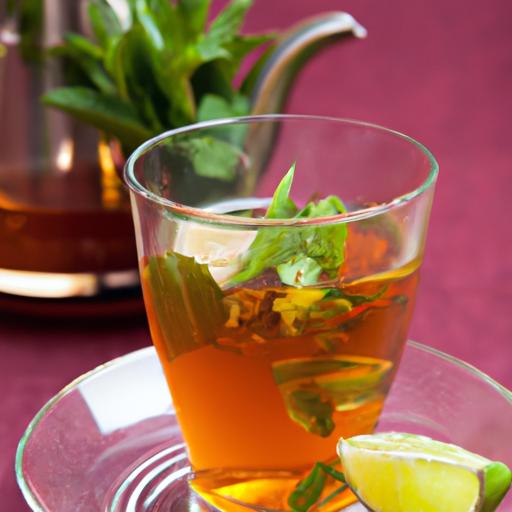

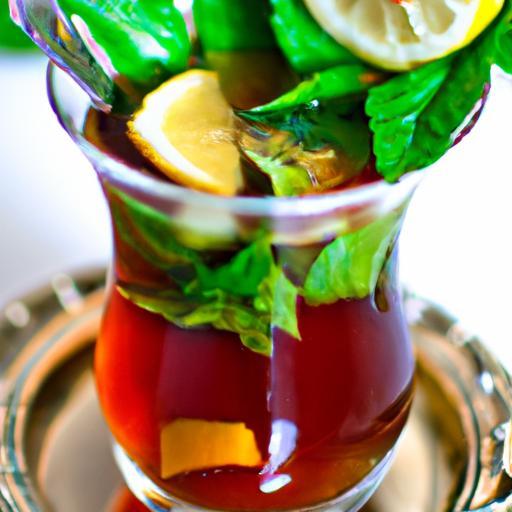
In the heart of Moroccan life,a humble cup brimming with emerald-green liquid holds stories as rich and layered as the desert sands.Moroccan mint tea,more than just a beverage,is a ritual-a fragrant dance of fresh mint leaves,bold green tea,and just the right touch of sweetness. Steeped in centuries of tradition, each sip invites you to experience warmth, hospitality, and a cultural heritage that is both vibrant and timeless. Journey with us as we explore how this iconic brew is crafted, served, and cherished, revealing why Moroccan mint tea is truly a tradition steeped in every sip.
The Origins and Cultural Significance of Moroccan Mint Tea
Moroccan mint tea isn’t just a beverage; it’s a symbol of Moroccan hospitality, tradition, and artistry steeped in every sip. Originating from the fusion of Chinese green tea introduced via Mediterranean trade routes and local North African flavors,this iconic brew has become a cherished ritual across Morocco and beyond.Known locally as “atai,” the tea holds a special place in daily life – served as a welcoming gesture to guests, during celebrations, and even at buisness meetings. The elaborate preparation and pouring technique, involving a high, cascading pour, stimulate the senses and aerate the tea, creating an elegant foam that’s as visually stunning as it is delicious.
This centuries-old tradition reflects Morocco’s cultural mosaic, blending berber, Arab, and french influences. Each family prides itself on its unique touch – some stronger, some sweeter, but all embodying warmth and conviviality. For many, sharing Moroccan mint tea is an invitation to pause, connect, and savor life’s simple, rich pleasures.
The Art of Brewing the Perfect Moroccan Mint Tea
Mastering Moroccan mint tea is about patience, precision, and respect for the ingredients. The secret lies in the balance between a robust green tea base, fresh mint leaves, and just the right amount of sweetness. Traditionally, Chinese gunpowder green tea is rinsed first to soften its sharpness. Mint is added lavishly – not just for flavor but for its refreshing aroma that defines the character of this drink.
Brewing occurs in a special teapot called a “berrad” and involves multiple steepings,each releasing layers of flavor.The almost theatrical pouring from a height (sometimes above 12 inches) is designed to blend the ingredients perfectly and form a golden frothy head that signifies a well-made cup.
Prep and Cook Time
- Prep Time: 5 minutes
- Steeping Time: 10 minutes
- Total Time: 15 minutes
Yield
Serves 4 conventional Moroccan glasses
Difficulty Level
Easy – perfect for beginners eager to embrace Moroccan culture
Ingredients
- 3 tablespoons loose Chinese gunpowder green tea
- 1 large bunch fresh spearmint leaves (washed and roughly torn)
- 4 cups boiling water
- 1/4 to 1/2 cup granulated sugar (adjust to taste)
- Optional: fresh orange blossom water or dried mint sprigs for garnish
Instructions
- rinse the tea: Place the green tea in your teapot and pour 1 cup of boiling water over it. Swirl gently and discard this water to remove bitterness.
- Steep the tea: Pour the remaining 3 cups of boiling water into the pot.Let the tea steep for 3-5 minutes to develop a strong base flavor.
- Add sugar: Stir in sugar gradually, tasting as you go. Traditional Moroccan mint tea is quite sweet, but balance according to your preference.
- Add mint leaves: Add the fresh spearmint leaves into the pot, crushing them lightly with your fingers to release aroma.
- Mix and aerate: To blend flavors and create foam, raise your teapot high above the glasses and pour the tea into one glass before transferring it back into the pot. Repeat 3-4 times.
- Final pour: Pour tea into small, decorative Moroccan glasses, aiming for a slight froth on top.
- Serve promptly: Garnish with a sprig of fresh mint or a few drops of orange blossom water for extra fragrance.
Tips for success
- Use fresh,vibrant mint: The quality of your mint directly impacts the freshness and aroma of the tea. Garden-fresh or organic spearmint is ideal.
- Control sugar levels: Traditional recipes call for sweetness, but experiment to fit your taste buds.
- Never skip the rinse step: Rinsing gunpowder green tea removes bitterness and sets a clean base for your blend.
- Practice the pour: The high pour might feel tricky at first – opt for a lighter grip on the teapot and steady your wrist for smooth action.
- Make ahead note: Tea can be brewed and mixed in advance but is best enjoyed fresh for the fullest flavor and aroma.
Serving traditions and Pairing Suggestions for Every Occasion
Serving Moroccan mint tea is a ritual that goes beyond the brew itself. Traditionally, it accompanies freshly baked Moroccan pastries like ghriba (almond cookies) or kaab el ghazal (gazelle horns), which balance the sweetness and add texture. For savory pairings, consider small spiced nuts or dried fruits to round out the flavors.
The tea is typically served in low, brightly colored glasses that enhance the vibrant green hue of the brew. Offering tea on a polished metal tray adds visual appeal and honors Moroccan custom. Sharing tea with family or guests symbolizes friendship and respect – an unspoken invitation to linger a little longer in good company.
Inspired to explore more Moroccan delights? Discover our Moroccan Spiced Lamb Tagine recipe that pairs beautifully with mint tea’s fresh character.
| Nutrition per Serving | Amount |
|---|---|
| Calories | 45 kcal |
| Protein | 0.5 g |
| Carbohydrates | 12 g |
| Fat | 0 g |

Learn more about the history of mint tea and its cultural roots at the Encyclopaedia Britannica.
Q&A
Q&A: Moroccan Mint tea – Tradition Steeped in Every Sip
Q1: What makes Moroccan mint tea so special compared to other teas?
A1: Moroccan mint tea is more than just a beverage; it’s a cultural ritual that symbolizes hospitality and friendship.What sets it apart is the artful blend of green gunpowder tea leaves with fresh spearmint, combined with a generous amount of sugar and a unique brewing method that infuses every cup with vibrant flavor and warmth.
Q2: How is Moroccan mint tea traditionally prepared?
A2: Preparation is a ceremonial act. First, green gunpowder tea leaves are rinsed to remove bitterness, then steeped in boiling water. Fresh mint and sugar are added, and the tea is poured from a height to create a frothy top, enhancing its aroma and cooling the liquid just right. This ritual connects tea drinkers with centuries of Moroccan heritage in every cup.
Q3: Why is mint such a central ingredient in this tea?
A3: Mint symbolizes freshness, clarity, and vitality in Moroccan culture. Its cooling, crisp flavor balances the robust, slightly smoky taste of green tea, creating a harmonious blend that awakens the senses.Beyond taste, mint is also prized for its digestive benefits, making the tea both refreshing and healthful.
Q4: What role does tea play in Moroccan social life?
A4: Moroccan mint tea is a cornerstone of hospitality.Offering a glass to guests signifies respect and warmth, frequently enough accompanying long conversations or celebrations. Sharing mint tea invites connection and slows the pace of life, fostering a sense of community and mindfulness rarely matched by other social customs.
Q5: Can Moroccan mint tea be enjoyed cold, or is it always served hot?
A5: While traditionally served hot to emphasize its aromatic qualities, Moroccan mint tea can also be enjoyed iced, especially during warm weather. The cold version offers a refreshing twist while retaining its signature minty-sweet character, perfect for sipping under the blazing North African sun.
Q6: How has Moroccan mint tea influenced global tea culture?
A6: Moroccan mint tea has inspired tea lovers worldwide to explore flavored teas beyond the usual black or green varieties. Its balance of sweetness and herbal freshness has led to creative adaptations, yet purists always honour the traditional method that elevates tea from a drink to an experience.
Q7: Are there any cultural etiquette tips to know when drinking Moroccan mint tea?
A7: Yes! When offered a glass,it’s polite to except at least one cup,as tea symbolizes friendship. The first glass may be slightly stronger or more bitter, followed by sweeter, milder refills. Also, the host frequently enough pours the tea from a height to aerate it-this is a mark of respect and craftsmanship to appreciate.
Q8: What kinds of mint are typically used in Moroccan mint tea?
A8: The most common variety is spearmint, known locally as “na’na.” Its sweet, gentle flavor complements the tea perfectly without overpowering it. Some regions may use other fresh mints, but spearmint remains the quintessential choice for authentic Moroccan mint tea.
Q9: Can Moroccan mint tea offer any health benefits?
A9: Absolutely! the green tea base is rich in antioxidants, which support overall wellness, while mint aids digestion and soothes the stomach. The combination can also serve as a gentle energizer without the jitters of strong coffee, making it a balanced pick-me-up throughout the day.
Q10: What’s the best way to experience authentic Moroccan mint tea outside of Morocco?
A10: Seek out Moroccan tea sets and loose gunpowder tea leaves at specialty markets, gather fresh spearmint (or grow your own), and invite friends for a brewing session. Embrace the ritual of slow pouring and savoring, turning a simple drink into an immersive cultural moment-proof that tradition, indeed, is steeped in every sip.
in Conclusion
As the final leaves settle into your cup and the warm steam carries the fragrant whispers of fresh mint, Moroccan mint tea reveals itself as more than just a beverage-it is a living tradition, a ritual of hospitality, and a timeless symbol of connection.Each sip invites you to step into a world where history, culture, and community blend seamlessly, reminding us that sometimes, the simplest cup can hold the richest stories. So next time you raise your glass of Moroccan mint tea, remember: your partaking in a centuries-old ceremony steeped in meaning, flavor, and heart.