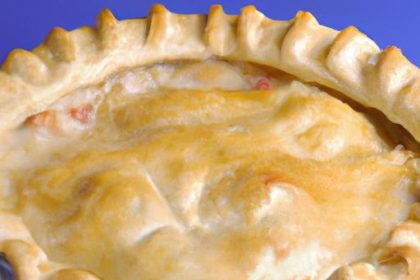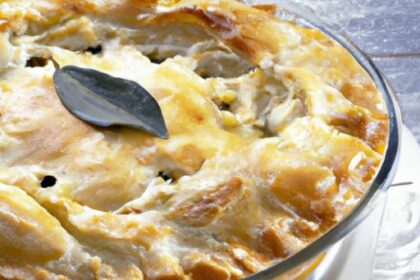


There’s a culinary treasure nestled along the sun-kissed coasts where the sea’s bounty meets vibrant tradition: the Pastel de Jaiba, or crab cake delight. More then just a dish,it’s a party of flavors that captures the essence of coastal life,blending delicate crab meat with a symphony of spices and textures that dance on the palate. In this article, we’ll embark on a savory journey to uncover the origins, ingredients, and irresistible charm of Pastel de Jaiba-a dish that brings together heritage and taste in every bite. Whether you’re a seafood enthusiast or a curious foodie, prepare to discover why this crab cake is a beloved gem waiting to be savored.
The Origins and Cultural Significance of Pastel de Jaiba
Crab Cake Delight begins deep in the heart of the coastal regions of Chile, where the luscious flavors of the sea blend seamlessly with local culinary traditions. Known as Pastel de Jaiba, this dish is more than just a crab cake-it is a cherished symbol of maritime heritage and community gatherings. Originating from the southern shores of Chile, this recipe celebrates the abundant fresh crab harvested from Pacific waters, marrying it with creamy, subtly spiced fillings inspired by indigenous Mapuche and Spanish culinary influences.
What makes pastel de jaiba compelling is its texture and warmth, ofen enjoyed family-style during celebrations or quiet evenings by the sea.beyond its delicious taste, it represents a fusion of history and nature, crafted to honor the craftsmanship of fishing communities and their ability to transform humble ingredients into something exquisite.
key ingredients That Bring Out the Authentic Flavour
At the core of every unforgettable Crab Cake Delight lies a few star ingredients that highlight the sweet, delicate crab and maintain the dish’s signature softness and richness.The freshness of the crab meat is paramount-opt for lump crab meat or fresh picked claw meat for a balance of flavor and texture.
- Fresh crab meat: The essence of the dish, lending natural sweetness and tender flakes.
- Mayonnaise: Adds creaminess,binding the mixture while enhancing moisture.
- Finely diced onions and garlic: Provide subtle depth and an aromatic base.
- Fresh parsley and cilantro: Impart a shining, herbal lift, vital in balancing the richness.
- Crackers or breadcrumbs (preferably homemade): For binding and a slight crunch.
- Eggs: Essential to hold the cake together without overpowering flavors.
- Fresh lemon juice and zest: Brightens the palate and elevates the natural crab sweetness.
- Ground white pepper and mild chili powder (optional): Introduce a warm, subtle heat true to Chilean roots.
Step-by-Step Guide to Perfectly Crafted Crab Cakes
- Prepare your workspace: Gently rinse the crab meat under cold water and pat dry with a paper towel to prevent watery cakes. Set aside in a bowl.
- Sauté aromatics: Heat 1 tablespoon of olive oil in a skillet over medium heat. Add ½ cup finely diced onion and 2 minced garlic cloves, sautéing until translucent and fragrant-about 3 minutes.
- Combine the mixture: In a large bowl, mix the crab meat with sautéed onions and garlic, ½ cup mayonnaise, ¼ cup crushed crackers, 1 large beaten egg, 2 tablespoons chopped parsley, 1 tablespoon chopped cilantro, 1½ teaspoons fresh lemon juice, and a pinch of white pepper and optional chili powder. Gently fold until just combined-avoid overmixing to keep the texture light.
- Shape the cakes: Form the mixture into 8 equal-sized patties, roughly 3 inches wide, pressing lightly to compact without overpacking.
- Chill: place crab cakes on a parchment-lined tray and refrigerate for at least 30 minutes; this helps them stay firm during cooking.
- Cook to perfection: Heat 2 tablespoons of olive oil in a large nonstick skillet over medium heat. Carefully add the crab cakes, cooking each side for 4 to 5 minutes until golden brown and crisp. Avoid overcrowding the pan to ensure even cooking.
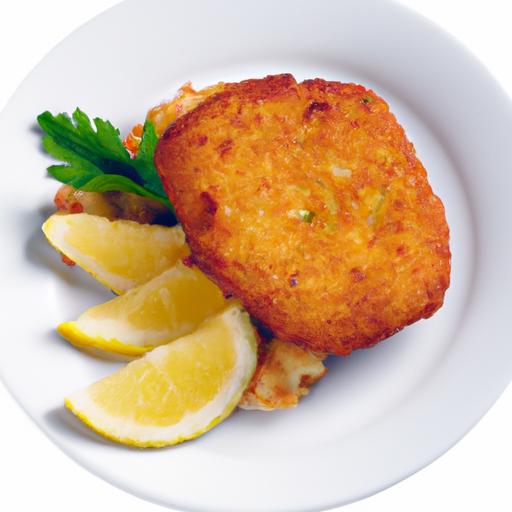
- Drain and serve: Remove crab cakes and drain briefly on paper towels to absorb excess oil before plating.
Prep and Cook Time, Yield, and Difficulty Level
- Prep time: 20 minutes
- Chill time: 30 minutes
- Cook time: 10 minutes
- Total time: 1 hour
- Yield: 8 crab cakes (serves 4 as main course)
- Difficulty level: Medium
Tips for Success
- Use fresh crab meat: If fresh isn’t available, high-quality canned crab works, but drain well to avoid soggy cakes.
- Don’t overwork the batter: Gently folding keeps the cakes tender and flaky.
- Chilling the cakes: This step is key for structural integrity and prevents breaking during cooking.
- Customize seasoning: Adjust chili powder or add smoked paprika for a hint of smokiness without overpowering the delicate crab flavor.
- Make ahead: Form the cakes and refrigerate or freeze individually wrapped for convenient future meals. Cook from chilled or thawed.
Serving Suggestions and Pairings to Elevate Your Experience
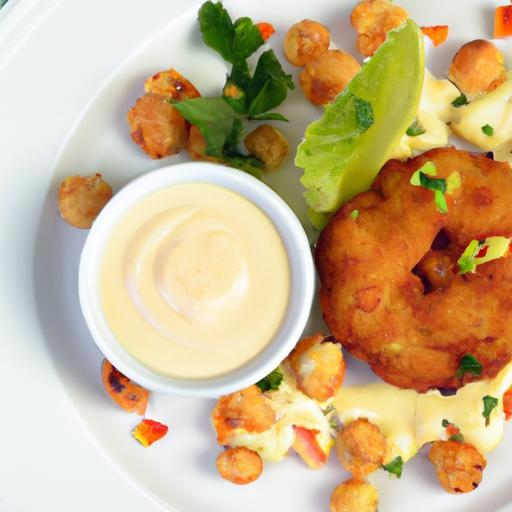
The true charm of this Crab Cake Delight unfolds when presented thoughtfully. Serve the cakes warm on a large platter garnished with fresh lemon wedges and sprigs of parsley or cilantro for a burst of color and freshness.
Complement the flavors with a crisp side salad featuring peppery arugula, cherry tomatoes, and a zesty vinaigrette. For richer pairings, creamy avocado slices or a cool cucumber-yogurt sauce harmonize beautifully.
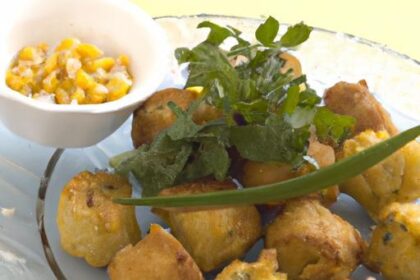
To enhance texture contrasts, accompany with frittered corn or lightly fried plantains-a nod to Latin American coastal cuisines. A chilled sparkling water infused with lime or a light, citrus-forward nonalcoholic cocktail refreshes the palate elegantly.
| Nutritional Element | Per Serving (2 Cakes) |
|---|---|
| Calories | 280 |
| Protein | 20g |
| Carbohydrates | 15g |
| Fat | 14g |

For more seafood inspiration, explore our collection of Chilean coastal dishes.To understand the cultural background of Chilean seafood further, visit this Britannica article on Chilean cuisine.
Q&A
Q&A: Crab Cake Delight – Discover the Charm of Pastel de Jaiba
Q1: What exactly is Pastel de Jaiba?
A1: Pastel de Jaiba is a savory crab cake dish originating from the coastal regions of Chile. It combines fresh crab meat with a creamy, cheesy filling, baked to golden perfection. This delightful treat showcases the natural sweetness of crab,wrapped in a rich,comforting texture that is as inviting as the ocean breeze.Q2: How dose Pastel de jaiba differ from traditional crab cakes?
A2: Unlike typical crab cakes that are often pan-fried with breadcrumbs, Pastel de Jaiba has a casserole-like consistency. It blends crab with ingredients such as onions, garlic, cream, cheese, and sometimes a hint of chili for subtle heat, then baked until bubbly. This results in a luscious, spreadable delight that can be enjoyed as a main dish or an appetizer.
Q3: What makes Pastel de Jaiba so special in Chilean cuisine?
A3: Pastel de Jaiba embodies the essence of Chile’s coastal heritage, celebrating local seafood in an elegantly humble way. It’s a dish that brings families and friends together, often shared during festive gatherings or seaside meals. Its charm lies in the balance of creamy richness and fresh crab flavor, creating a deeply comforting yet refined bite.
Q4: Can Pastel de Jaiba be customized to suit different tastes?
A4: Absolutely! While the classic recipe highlights crab,cooks often experiment by adding variations like diced bell peppers,fresh herbs such as coriander or parsley,and a sprinkle of paprika or cumin for warmth. Some versions include a crunchy topping of toasted breadcrumbs or cheese to add texture. The beauty of Pastel de Jaiba is its versatility-each kitchen can make it their own.
Q5: What are the best ways to serve pastel de Jaiba?
A5: Pastel de Jaiba shines when served warm alongside fresh, crusty bread or lightly toasted baguette slices, perfect for scooping.It also pairs wonderfully with simple green salads or roasted vegetables, letting the crab’s delicate flavor remain center stage. For a festive twist, it can be presented in individual ramekins or even as stuffed shells for an elegant touch.
Q6: Is pastel de Jaiba tough to prepare at home?
A6: Not at all! With fresh or high-quality crab meat, a handful of pantry staples, and a baking dish, Pastel de Jaiba can come together in under an hour.The technique is straightforward: sauté aromatics, mix in the crab and creamy elements, season thoughtfully, then bake until bubbling and golden. It’s a rewarding dish that invites experimentation without requiring advanced cooking skills.
Q7: What can seafood lovers learn from Pastel de Jaiba?
A7: Pastel de Jaiba teaches seafood enthusiasts that simplicity and quality ingredients create magic. It highlights the importance of respecting the natural flavor of crab, enhancing rather than overpowering it. This dish encourages a mindful approach to seafood, blending tradition with creativity to deliver a memorable culinary experience.
Q8: Where can one experience authentic pastel de Jaiba?
A8: To taste authentic Pastel de Jaiba, coastal Chilean towns such as Chiloé or Valparaíso are ideal destinations. Local restaurants and family-run eateries often serve their cherished versions, steeped in regional pride. However, thanks to its growing international fame, many seafood bistros around the world now include this charming crab cake on their menus.
With its rich heritage and irresistible taste,Pastel de Jaiba invites everyone to savor the essence of the sea-one creamy,crab-filled bite at a time.
Wrapping Up
As we close the chapter on our savory journey through the world of Pastel de Jaiba, the delightful crab cake that captures the essence of coastal charm, one thing remains clear: this dish is more than just a meal-it’s a celebration of tradition, flavor, and the sea’s bounty. Whether you’re a seasoned seafood lover or a curious culinary explorer,the Crab Cake Delight invites you to savor its tender,spiced layers and experience a taste that’s both comforting and captivating. So next time you long for a dish that tells a story with every bite, let Pastel de Jaiba be your delicious passport to the heart of seaside heritage.