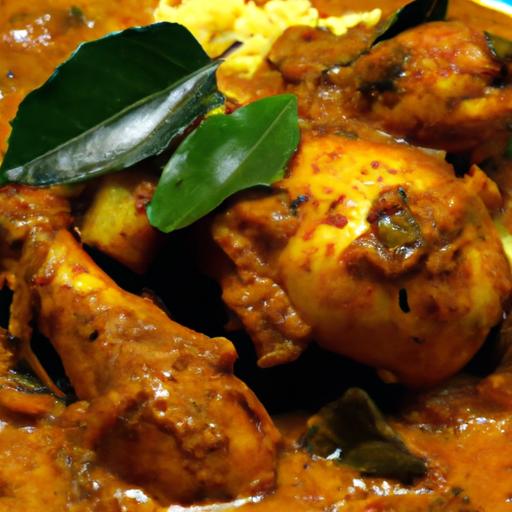

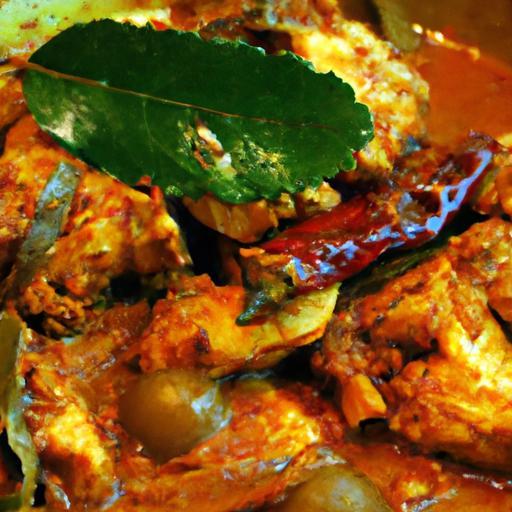
Nestled along the sun-kissed shores of India’s southwestern coast lies Kerala, a land renowned not only for its lush backwaters and vibrant culture but also for a culinary heritage that dances on the palate. Among its many gastronomic treasures, Malabar Chicken Curry emerges as a symphony of spices and coastal flavors-a dish that tells a story of centuries-old trade routes, rich coconut groves, and the harmonious blending of tradition and taste. Embarking on a flavorful journey through Kerala’s Malabar Coast,this iconic curry invites food lovers to savor a distinctive blend of tangy,spicy,and aromatic notes that capture the very essence of the region’s coastal charm and culinary artistry.
Malabar Chicken Curry is a vibrant tapestry of Kerala’s coastal heritage, where the abundance of spices, coconut, and fresh seafood-inspired flavors come alive in a luscious, aromatic chicken curry. This dish encapsulates the essence of Malabar cuisine – a rich blend of customary Kerala spices melded with the subtle sweetness of coconut, reflecting centuries of cultural exchanges along India’s southwestern shores.
The history of this curry stretches back to the Malabar Coast, a historic trade hub attracting Arab, Chinese, and European traders who shaped the local culinary identity. The fusion of indigenous spices-like black pepper, cardamom, and cloves-with coconuts from the abundant palms made this chicken curry an iconic symbol of Kerala’s coastal gastronomy. The result is a harmonious balance of heat, earthiness, and creaminess that’s both comforting and tantalizing.
Prep and Cook Time
- Preparation Time: 20 minutes
- Cooking Time: 40 minutes
- Total Time: 1 hour
Yield
Serves 4 generous portions
Difficulty Level
Medium – perfect for home cooks ready to explore deeper Indian spice techniques
Key Ingredients That Define the Authentic Kerala Flavor
- 700g bone-in chicken pieces – for rich flavor absorption
- 2 tbsp coconut oil – the heart of Malabar cooking
- 1 large onion, finely sliced
- 3 cloves garlic, minced
- 1-inch piece ginger, grated
- 2 green chilies, slit (adjust based on heat preference)
- 1 tsp black peppercorns, freshly ground
- 1 tsp fennel seeds
- 4 green cardamom pods, crushed
- 3 cloves
- 1-inch cinnamon stick
- 1 tsp turmeric powder
- 2 tsp Kashmiri red chili powder – for vibrant color and mild heat
- 1 tbsp coriander powder
- 1 large tomato, chopped
- 1 cup thick coconut milk – lends richness and subtle sweetness
- Salt to taste
- Fresh curry leaves, a generous handful
- Juice of half a lemon - balances the spices with brightness
Step-by-Step Cooking Techniques for a rich and Aromatic Curry
- Heat the coconut oil in a heavy-bottomed pan over medium flame. Add fennel seeds,cardamom,cloves,cinnamon,and curry leaves. Let them sputter gently until fragrant – about 1 minute.
- Add the sliced onions and sauté until golden brown, approximately 10-12 minutes. Stir occasionally to prevent burning and encourage caramelization for natural sweetness.
- Mix in the garlic, ginger, and green chilies. Sauté for 2-3 minutes until the raw aroma dissipates.
- Sprinkle in the turmeric, red chili, coriander powders, and freshly ground black pepper. Stir well to toast the spices for 1-2 minutes, awakening their full flavors.
- Add the chopped tomato and cook until it breaks down and oil starts separating from the masala base-this is key to a rich curry foundation.
- Carefully add the chicken pieces and mix thoroughly, ensuring each piece is coated with the aromatic masala. Sear the chicken for 5-7 minutes, turning occasionally.
- Pour in 1 cup of warm water, season with salt, cover the pan, and let the chicken simmer gently on low heat for 25-30 minutes until tender.
- Uncover, stir in the thick coconut milk, and simmer uncovered for another 10 minutes to thicken the gravy and meld the flavors. Avoid boiling vigorously after adding coconut milk to prevent curdling.
- Finish by squeezing fresh lemon juice and tossing in extra curry leaves for freshness. Mix and remove from heat instantly.
Tips for Success
- Choose bone-in chicken: It imparts deeper, richer flavor and keeps the meat moist throughout slow cooking.
- Use freshly ground spices: black pepper and coriander fresh from the grinder deliver authentic pungency and aroma.
- Caramelize onions slowly: This step is crucial – the natural sweetness balances the dish’s complex spices.
- Maintain gentle simmer after adding coconut milk to avoid splitting the cream and ensure a silky gravy.
- Make ahead: This curry tastes even better the next day as the spices intensify. Reheat gently with a splash of water or coconut milk.
- Vegan/vegetarian alternative: Substitute chicken with firm tofu or jackfruit, adjust cooking time accordingly.
Pairing Suggestions and Serving tips to Elevate Your Meal
The luscious Malabar Chicken Curry is best complemented by simple, fluffy steamed basmati rice or Kerala red parboiled rice to soak up every drop of its rich gravy. Traditional South Indian appam or idiappam (string hoppers) offer a delicate, fermented pancake experience that pairs beautifully with the creamy curry.
Garnish with fresh curry leaves or a sprinkle of finely chopped fresh coriander to add a shining herbal note. A small bowl of cooling raita or spiced buttermilk is perfect to balance the spices on the palate.
For a festive touch, accompany this meal with a side of thoran-a dry coconut vegetable stir-fry-or achar (Kerala-style pickles). Serve family-style on a banana leaf to truly embrace Kerala’s coastal dining tradition.
| Nutrient | Per Serving |
|---|---|
| Calories | 340 kcal |
| Protein | 38 g |
| Carbohydrates | 7 g |
| Fat | 15 g |

Discover how to deepen your Indian spice knowledge with our Kerala Spice Blends explained guide. For more on the historical meaning of spices, visit this Britannica overview of indian cuisine.
Q&A
Q&A: Malabar Chicken Curry – A Flavorful journey Through Kerala’s Coast
Q1: What makes Malabar Chicken Curry distinct from other Indian chicken curries?
A1: Malabar Chicken Curry hails from Kerala’s lush coastline, known as the Malabar Coast, and stands out due to its rich use of coconut, freshly ground spices, and a harmonious blend of tangy and spicy flavors. unlike other Indian curries that often lean heavily on tomato bases, Malabar curry highlights the natural sweetness of coconut and the warmth of spices like black pepper, green chilies, and curry leaves, evoking the aromatic essence of Kerala’s spice markets.
Q2: What are the key ingredients that define Malabar Chicken Curry?
A2: The heart of this curry is fresh chicken cooked in a sauce made from grated coconut, green chilies, ginger, garlic, and an array of whole spices such as fennel seeds, cardamom, and cinnamon. Fresh curry leaves and mustard seeds add an unmistakable South Indian touch, while tamarind or kokum lends a subtle tang that balances the creamy coconut base. This blend creates a vibrant yet comforting dish bursting with the coastal flavors of Kerala.
Q3: How does the cooking technique contribute to the curry’s unique flavor?
A3: In traditional Malabar Chicken Curry, spices are roasted and ground fresh, then tempered in hot oil or coconut oil to release their oils and aromas. The chicken simmers gently in the coconut-spice mixture, allowing the flavors to meld beautifully. This slow simmering, combined with the use of freshly grated coconut paste, results in a curry that’s thick, fragrant, and deeply satisfying-a slow-cooked symphony of Kerala’s diverse culinary heritage.
Q4: Can you describe the cultural significance of Malabar Chicken Curry in Kerala?
A4: malabar Chicken Curry is more than just a dish-it’s a culinary reflection of Kerala’s rich history as a crossroads of spice traders from around the world. This curry embodies the fusion of native traditions with influences brought by Arab,Portuguese,and Dutch traders,who introduced new spices and cooking techniques. It is indeed commonly enjoyed during festivals, family gatherings, and special occasions, embodying the spirit of celebration and community along Kerala’s coast.
Q5: What dishes traditionally accompany Malabar Chicken Curry?
A5: In Kerala, this curry is often served with steamed rice or the subtly sweet, elongated grains of kaima rice. It pairs beautifully with traditional Kerala breads like appam (fermented rice pancake) or parottas (layered flatbreads) that help soak up the luscious sauce. Side dishes such as vegetable thoran (coconut-stir fried greens) or tangy pickles enhance the dining experience by balancing the flavors and textures.
Q6: How can one recreate the authentic taste of Malabar Chicken Curry at home?
A6: To bring the authentic flavors of Malabar Chicken Curry to your kitchen, invest in fresh ingredients: freshly grated coconut or high-quality coconut milk, fresh curry leaves, and whole spices to grind yourself if possible. Avoid pre-made spice mixes to capture the true essence of Kerala’s coastal flavors. Slow cooking the curry and allowing the spices to bloom in hot coconut oil also make a significant difference. Experimenting with a touch of tamarind or kokum will add that signature tang that brightens the dish.
Q7: are there vegetarian alternatives inspired by Malabar Chicken Curry?
A7: Absolutely! The rich coconut and spice base that defines Malabar Chicken Curry can beautifully embrace vegetables or plant-based proteins such as jackfruit, yam, or mushrooms. These alternatives soak up the flavors wonderfully and offer a delightful, hearty dish that pays homage to the coastal palate of Kerala without the meat.
Q8: Why is coconut oil often preferred in preparing Malabar Chicken Curry?
A8: Coconut oil is a staple ingredient along Kerala’s coast due to the abundance of coconut trees. its subtle sweetness and slightly nutty aroma complement the curry’s spices perfectly, enhancing the dish’s authenticity.Cooking spices in coconut oil extracts their essence gently and adds a layer of richness that vegetable or other cooking oils can’t quite replicate.
Q9: How does Malabar Chicken Curry reflect the biodiversity of Kerala?
A9: Kerala’s fertile soil and tropical climate contribute to a bounty of fresh spices, coconuts, herbs, and seafood. Malabar Chicken Curry is a celebration of this diversity, combining local ingredients like fresh curry leaves, green chilies, and coconuts with spices grown in the region’s spice plantations. the dish’s vibrant composition mirrors kerala’s lush landscapes and rich agricultural heritage.
Q10: What is the perfect occasion to serve malabar Chicken Curry?
A10: This aromatic curry is ideal for festive celebrations and family feasts but also serves as a comforting weekend meal to savor the tastes of Kerala’s coast. Its warm spices and creamy texture invite shared plates and lively conversation, making it perfect for bringing people together over a table laden with Kerala’s finest flavors.
In Summary
As the sun sets over the tranquil shores of Kerala, the rich aroma of Malabar Chicken Curry lingers in the air-a testament to a culinary tradition steeped in history, culture, and coastal abundance. This dish is more than just a meal; it is a flavorful journey through the vibrant landscapes and diverse heritage of Kerala’s coast. Each bite tells a story of fragrant spices, creamy coconut, and the skillful hands that bring them together. Whether you’re a seasoned foodie or a curious traveler,Malabar Chicken Curry invites you to savor the essence of Kerala,one delectable spoonful at a time.