



In the vibrant tapestry of Japanese culture, few things captivate the senses quite like the serene elegance of “Shiro” – the pure, unadorned white that whispers tales of tradition, simplicity, and refined beauty. From the delicate flutter of cherry blossoms dusted in snow to the pristine surfaces of artisanal ceramics, Shiro embodies more than just a color; it is a symbol woven deeply into the fabric of JapanS aesthetic and spiritual world. Join us as we journey beyond the surface to explore the enchanting allure of Japan’s white delight,uncovering its ancient roots,cultural significance,and the subtle ways it continues to inspire art,design,and everyday life. Welcome to “Shiro Unveiled,” where purity meets passion in the heart of japan.
Shiro unveils a fascinating journey into the heart of Japanese cuisine, where simplicity meets refined tradition. This beloved white delight, primarily made from white miso or white sesame paste, carries centuries of history and cultural significance, embodying a gentle yet profound flavor profile that captivates food lovers worldwide. my first encounter wiht shiro was during a quiet Kyoto morning market visit, where its creamy texture and subtly sweet umami immediately intrigued me, inspiring a deeper dive into Japan’s culinary soul.
Prep and Cook Time
- Preparation: 15 minutes
- Cooking: 30 minutes
- Total: 45 minutes
Yield
- Serves 4 generously
Difficulty Level
- Medium
Ingredients
- 1 cup white miso paste (shiro miso, smooth texture preferred)
- 2 tablespoons white sesame paste (shiro goma)
- 2 cups dashi stock (kombu and bonito flakes, or vegetable broth for vegan option)
- 1 tablespoon mirin
- 1 teaspoon sugar
- 200g tofu, soft, cut into 1-inch cubes
- 1 small daikon radish, peeled and thinly sliced
- 2 green onions, finely chopped
- 1 tablespoon toasted sesame seeds for garnish
- pinch of sea salt to adjust seasoning
Instructions
- Prepare the broth: Pour the dashi stock into a medium saucepan and gently warm over medium heat, taking care not to boil.
- Dissolve miso and sesame paste: In a small bowl, combine the white miso and white sesame paste. Slowly whisk a few tablespoons of warm dashi into the mixture to make a smooth slurry.
- Incorporate slurry: Pour the slurry back into the saucepan with the rest of the dashi, stirring continuously to evenly distribute the pastes without lumps.
- Add flavor enhancers: Stir in the mirin and sugar,allowing the combined flavors to meld; simmer gently for 5 minutes.
- cook daikon and tofu: Add the sliced daikon to the pot and simmer until translucent and tender,about 15 minutes. Gently add tofu cubes and warm through, about 3-5 minutes more.
- Final seasoning check: Taste and add a pinch of sea salt if needed, balancing the gentle sweetness and umami intensity.
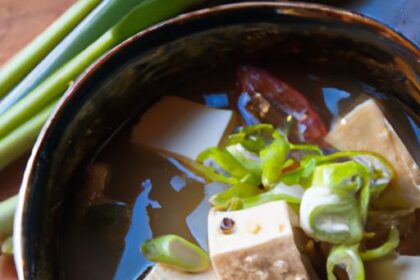
- serve immediately: Ladle shiro into bowls, garnishing with chopped green onions and a sprinkle of toasted sesame seeds to add texture and visual contrast.
Chef’s Notes: Tips for Success
- For a vegan version, substitute dashi stock with a well-seasoned kombu or shiitake broth to retain depth of flavor.
- White sesame paste (shiro goma) can vary in thickness; adjust quantity or add a splash of broth if the soup becomes to dense.
- Use soft tofu specifically for its creamy texture that perfectly complements shiro’s silkiness-avoid firm tofu unless cubed finely.
- Make ahead tip: Prepare the broth base without tofu and garnish, refrigerate, and add delicate ingredients just before serving to preserve freshness.
- Shiro pairs beautifully with lightly pickled vegetables, offering a crisp counterpoint to its mellow warmth.
Serving Suggestions
Present your shiro in elegant, shallow bowls to highlight its creamy white hue. Garnish with fresh green onions and a dash of toasted sesame seeds to introduce contrast. Accompany the dish with steamed jasmine rice or a side of grilled seasonal vegetables to balance the meal. For a delightful regional twist, drizzle a few drops of yakumi chili oil or add shichimi pepper for subtle heat, enhancing shiro’s inherent gentle character.

Top Must-Try Shiro Dishes and Where to Experience Them in Japan
Iconic shiro dishes vary across Japan-from the comforting Shiro Miso Soup in Kyoto’s historic ryokans to the elaborate shiro sesame sauces featured in osaka’s vibrant street food stalls. in Tokyo’s upscale dining, you can find a delicate Shiro Goma Nabe, a hot pot celebrating the white sesame flavor in a luxurious broth. to embark on an authentic culinary journey, explore the nishiki Market in Kyoto or wander through Kanazawa’s Omicho Market where customary artisans blend shiro ingredients to perfection.
Discovering the Unique Flavors and textures That Define Shiro
Shiro is a symphony of subtle sweetness and umami richness wrapped in a velvety texture that whispers comfort with each bite. Unlike its darker miso counterparts,shiro delights by enhancing delicate ingredients without overwhelming them. The interplay between the nutty creaminess of white sesame and the mild tang of white miso defines its signature character,providing an elegant base for a wide array of dishes.
| Nutrient | Per Serving |
|---|---|
| Calories | 180 kcal |
| Protein | 9 g |
| Carbohydrates | 15 g |
| Fat | 8 g |
For in-depth knowledge on authentic Japanese miso varieties and their cultural background, visit JapaneseCooking101.com. Also, explore our related feature on The Art of miso Soups: Tradition and Taste for further culinary inspiration.
Q&A
Q&A: Shiro Unveiled – Exploring the Charm of Japan’s White Delight
Q1: What exactly is Shiro, and why is it called Japan’s “white delight”?
A: shiro, meaning “white” in Japanese, refers to a variety of delicacies and culinary elements celebrated for their pristine whiteness, purity, and subtlety. From creamy tofu to milky confections and even softly steamed rice dishes, Shiro encapsulates Japan’s aesthetic love for simplicity and natural flavors. This “white delight” symbolizes both visual elegance and a gentle palate experience, offering a quiet sophistication that contrasts with bolder Japanese foods.
Q2: Where does shiro traditionally appear in japanese cuisine?
A: Shiro manifests in many forms – iconic tofu served chilled with a touch of soy, silky yuba (tofu skin) gently folded in broths, or delicate desserts like “Shiroi Koibito,” the famous white chocolate cookie. Even staple grains like perfectly steamed white rice underpin the Shiro concept, highlighting the significance of purity and balance on the Japanese dining table. Shiro dishes often emphasize natural textures and subtle tastes that promote mindfulness and gratitude.
Q3: How does Shiro reflect Japanese cultural values?
A: In Japanese culture, white symbolizes purity, simplicity, and cleanliness. Shiro dishes embody thes ideals through their restrained flavors and minimalist presentation. The tradition of “wabi-sabi,” finding beauty in imperfection and simplicity, resonates deeply with Shiro’s understated charm. Serving a white dish often invites diners to savor quiet moments and reflect on the essence of ingredients, marking it as a meditative experience.
Q4: Are there particular seasons or festivals where Shiro is especially featured?
A: Yes! Winter’s snowy landscapes often inspire dishes rich in soft whites, like steamed mochi or white miso soups, bringing warmth and comfort. White rice cakes and sweets also play a role in New Year celebrations (Oshogatsu) symbolizing purity and a fresh start. The festival of Hina Matsuri, or Girls’ Day, features white and pastel-themed sweets and steamed delicacies, celebrating health and happiness with an elegant nod to Shiro’s gentle aesthetic.
Q5: What makes the texture and flavor profile of Shiro dishes unique?
A: Shiro dishes often embrace silkiness, creaminess, or fluffiness, delivering a mouthfeel that invites slow, purposeful tasting. Unlike heavily spiced or intense foods, Shiro highlights subtle umami notes or hints of sweetness, encouraging a deeper appreciation for ingredient quality and preparation techniques. This delicacy not only soothes but also stimulates an awakening to the nuanced beauty of mild flavors.
Q6: Can one experience Shiro outside of Japan?
A: Absolutely! Many Japanese restaurants worldwide offer Shiro-inspired dishes such as chilled tofu salads, creamy white miso soups, and delicate steamed rice dishes. Exploring authentic Japanese groceries also allows enthusiasts to bring Shiro’s charm home, experimenting with items like fresh yuba, shiratama (glutinous rice flour dumplings), or white sesame pastes. The key is to honour the spirit of simplicity and pure taste Shiro embodies.
Q7: How does Shiro inspire modern Japanese chefs?
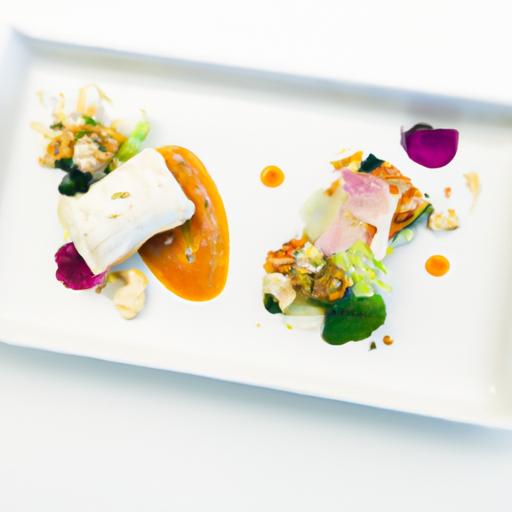
A: Contemporary chefs frequently enough use shiro as a canvas for innovation-melding tradition with creativity. Some craft avant-garde plates where layers of white ingredients contrast textures and subtle flavors, while others incorporate seasonal local produce that lightens and enriches classic Shiro dishes. This evolving dialogue between old and new keeps Shiro vibrant, inviting diners to rediscover the essence of Japanese culinary refinement.
Q8: What are some tips for enjoying Shiro at home?
A: To savor Shiro authentically, focus on fresh, high-quality ingredients with minimal seasoning to highlight natural profiles. Keep presentation simple and elegant-think clean lines and uncluttered plating. Experiment with textures: pair silky tofu with crunchy daikon or creamy white miso with slender scallions. Lastly, approach the meal mindfully, appreciating each bite’s quiet complexity as a moment of serenity.
Embracing Shiro means embracing a ideology-one where calm, purity, and subtle delight coalesce. This journey into Japan’s white delight reveals a world where the softest hues hold the deepest flavors and every bite is a whisper of cultural elegance.
Key Takeaways
As we conclude our journey through the delicate allure of Shiro, Japan’s ethereal white delight, it becomes clear that this seemingly simple element carries a profound cultural and culinary significance. From pristine rice fields to cloud-like confections,Shiro embodies purity,tradition,and subtle beauty-an invitation to appreciate the understated elegance woven into everyday Japanese life. Whether you’re savoring a bowl of polished white rice or admiring the snowy petals of a sakura blossom, embracing Shiro offers a unique lens through which to experience Japan’s rich tapestry. Shiro is more than just a color; it is a symbol of harmony, simplicity, and timeless charm waiting to be discovered.