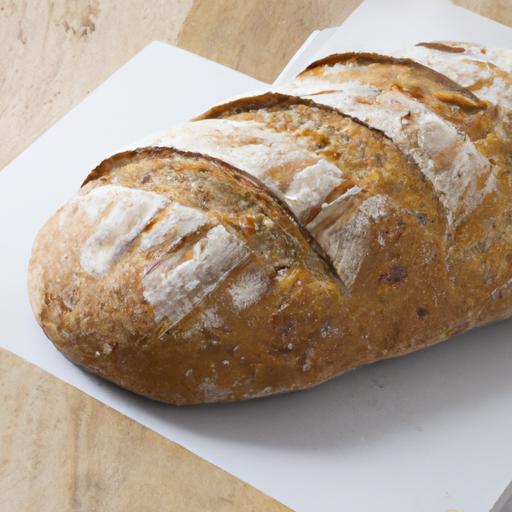

There is something undeniably magical about the crackling crust of a freshly baked artisan loaf-a humble masterpiece born from time-honored techniques and the patient hands of a skilled baker. In an age of mass production and fleeting convenience, artisan bread stands as a testament to tradition, craftsmanship, and the deep-rooted connection between flour, water, and fire. Each loaf tells a story, whispered through the rhythm of folding dough and the gentle nurturing of fermentation, inviting us to savor not just a staple, but an experience rich in history and heart. Join us as we explore the craft and charm of artisan bread, where every crumb carries the legacy of a timeless art passed down through generations.
The Craft and Charm of Artisan Bread: Tradition in every Loaf
The craft and charm of artisan bread begins with a deep respect for time-honored techniques that transform simple ingredients into loaves bursting with complex flavor and irresistible texture. Unlocking the secrets of fermentation, selecting the perfect flour, and mastering shaping and scoring are the cornerstone skills behind truly authentic bread that sings with every crumb. This journey is not just baking-it’s celebrating tradition, patience, and the soulful connection between baker and dough.
Prep and cook Time
- Planning: 30 minutes (active)
- Fermentation and Proofing: 12-18 hours (overnight)
- Baking: 35-45 minutes
- Total Time: Approximately 14-19 hours
Yield
One rustic artisan loaf, serving 8-10 slices.
Difficulty Level
Medium – a rewarding challenge for enthusiastic home bakers eager to explore traditional methods.
Ingredients
- 3 ½ cups (450g) bread flour, sifted for optimal aeration
- 1 ½ cups (360ml) filtered water, lukewarm (about 75°F/24°C)
- 1 teaspoon fine sea salt
- ½ teaspoon active dry yeast
- Optional: 1 tablespoon olive oil for a richer crust (not essential)
Instructions
- Activate the yeast: In a small bowl, dissolve the active dry yeast in lukewarm water. Let stand for 5-7 minutes untill frothy, signaling the yeast is alive and ready to work.
- Mix the dough: In a large bowl,combine the bread flour and sea salt.Slowly pour in the yeast mixture,stirring with a wooden spoon or your hands until a shaggy dough forms. Avoid overmixing here.
- First rest (autolyse): Cover the bowl with a damp towel and let the dough rest for 30 minutes. This rest enhances gluten advancement naturally.
- Knead with intention: Turn the dough onto a lightly floured surface and knead gently for 8-10 minutes.the dough should become smooth and elastic but remain tacky to the touch. If too sticky,sprinkle flour sparingly.
- Bulk fermentation: Place the dough in a lightly oiled bowl, turning once to coat. Cover with plastic wrap or a damp cloth and allow to ferment at room temperature for 12-18 hours. This slow fermentation is where the flavor deepens and the crumb develops character.
- Shape the dough: Sprinkle flour on your work surface and gently turn the dough out. Using a bench scraper, fold the dough over itself gently to form surface tension. Shape into a tight round boule for an elegant rustic appearance.
- Final proof: Place the shaped dough seam-side down on a well-floured proving basket or a towel-lined bowl. Cover and proof for 1-2 hours until it almost doubles in size and springs back gently to the touch.
- Preheat the oven: Place a Dutch oven or baking stone inside your oven and preheat to 475°F (245°C) for at least 30 minutes to achieve radiant heat that simulates a professional bread oven.
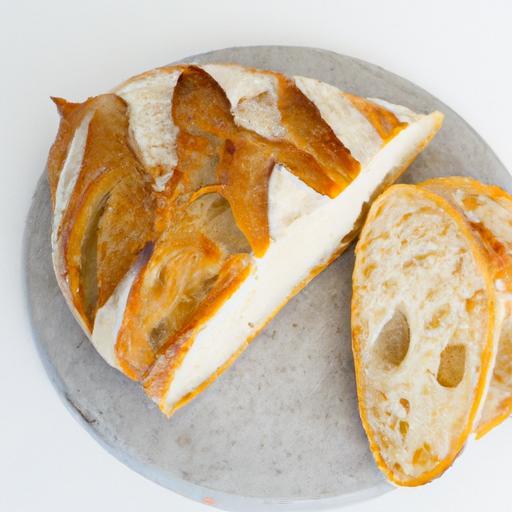
- Score the loaf: Using a very sharp blade or lame,make a few intentional slashes on the dough surface. These cuts control expansion during baking and create signature rustic patterns.
- Bake with steam: Quickly transfer the dough into the hot Dutch oven or onto the baking stone. Cover with the lid (if using Dutch oven) and bake for 20 minutes. Then, remove the lid to allow the crust to crisp and brown, baking another 15-25 minutes until golden and hollow-sounding when tapped.
- Cool wholly: Transfer the loaf to a wire rack to cool for at least 1 hour before slicing. Cooling allows the crumb to finish setting and unlocks the full flavor.
Tips for Success
- Flour selection: Opt for high-protein artisan or bread flour to develop a hearty, chewy crumb and strong crust. You can experiment with a blend of whole wheat for earthiness but start with no more than 20% of total flour.
- Water quality: Use filtered or spring water to avoid unwanted chlorine that can inhibit yeast activity and affect taste.
- Temperature control: Keep fermentation slow and cool (65-72°F) to encourage flavor complexity without overproofing.
- Scoring patterns: Practice your scoring on parchment paper before trying on the dough. Creativity here makes each loaf uniquely yours.
- Make ahead: after shaping, retarding the dough in the fridge overnight is an excellent option for sharper flavor and more flexible baking schedule.
- Troubleshooting: If your dough feels too sticky or won’t hold shape, rest it an extra 10 minutes and dust flour incrementally. Underbaked bread will sound dull when tapped-always allow enough bake time.
Serving Suggestions
Slice artisan bread thick or thin and serve warm with a generous smear of unsalted butter or a drizzle of high-quality olive oil. Pair with rustic dips like smashed avocado, roasted garlic hummus, or a fresh tomato basil bruschetta. For a simple yet stunning presentation, garnish with sprigs of fresh rosemary or edible flowers to complement the loaf’s natural golden crust and crackling texture.

| Nutrient | Per slice (1/10 loaf) |
|---|---|
| Calories | 150 kcal |
| Protein | 5 g |
| Carbohydrates | 30 g |
| fat | 0.8 g |
For further insights into artisan flour varieties and mastering fermentation, visit King Arthur Baking’s artisan Bread Guide.
Explore more techniques to perfect your bread baking skills on our artisan bread techniques series for step-by-step tutorials and expert tips.
Q&A
Q&A: The Craft and Charm of Artisan Bread: Tradition in Every Loaf
Q1: What makes artisan bread different from regular supermarket bread?
A1: Artisan bread stands apart due to its handmade nature and traditional techniques. Unlike mass-produced loaves, artisan bread is crafted with patience, often using natural fermentation and minimal ingredients like flour, water, salt, and yeast. The result? A crusty exterior, an open crumb structure, and complex flavors that tell a story of time-honored baking methods.
Q2: How does the fermentation process influence the flavor of artisan bread?
A2: Fermentation is the heartbeat of artisan bread. By allowing the dough to rest and develop naturally over extended periods-sometimes overnight-it fosters the growth of wild yeasts and beneficial bacteria.This slow fermentation enhances flavor depth, producing tangy, nutty, and slightly sweet notes that are impossible to replicate in quick-rise commercial breads.
Q3: Why is the crust so notable in an artisan loaf?
A3: The crust isn’t just a protective shell; it’s a flavor powerhouse. A well-baked crust offers a satisfying crunch and caramelized aroma, results of Maillard reactions during baking. Additionally, the thick crust helps lock in moisture, ensuring the interior crumb remains tender and rich. this contrast between crust and crumb is a hallmark of artisan bread’s charm.
Q4: What traditional techniques are still used by artisan bakers today?
A4: Many artisan bakers honor centuries-old methods such as hand-kneading, scoring (slashing the dough before baking), and baking in stone ovens or on baking steels. They often cultivate their own starters-a live culture of flour and water that acts as a natural leavening agent and flavor enhancer. This devotion to craft preserves the authentic texture and taste that define artisan bread.
Q5: Can different types of flour impact the character of the bread?
A5: Absolutely. Artisan bakers frequently experiment with whole grain, rye, spelt, or ancient grain flours, each contributing unique textures, flavors, and nutritional profiles. For example, whole wheat flour adds earthiness and a hearty bite, while rye imparts a mild tang and denser crumb. The blend and quality of flour are crucial keys to creating loaves with personality.
Q6: How does the surroundings affect the baking process?
A6: The environment plays a subtle but vital role. Humidity, temperature, and even altitude influence dough hydration, fermentation timing, and crust formation. Skilled artisan bakers adjust their techniques daily, listening to the dough and adapting to conditions to maintain consistency and uphold tradition in every loaf.
Q7: Why is artisan bread considered a form of edible craftsmanship?
A7: each loaf of artisan bread is a tangible expression of skill, history, and passion.From selecting ingredients to the rhythmic kneading and precise baking, it’s a hands-on process that blends art and science. This craftsmanship yields bread with soul-a simple food elevated into an experience enjoyed by many generations.Q8: How can home bakers get started with making artisan bread?
A8: Starting with a basic sourdough or country-style loaf is a rewarding way to dive in.Focus on quality ingredients, patience in fermentation, and practice in shaping. Embrace imperfections-they are signs of handmade authenticity. As confidence grows, experimenting with starters, hydration levels, and different flours can unlock new realms of flavor and texture.
Q9: What role does scoring play in artisan bread?
A9: scoring isn’t merely decorative; it’s functional. Strategic slashes on the dough’s surface guide the expansion of the loaf during baking, preventing unpredictable bursting and helping achieve the desired shape. At the same time, scoring creates distinctive patterns that showcase the baker’s artistic flair, making each loaf uniquely beautiful.
Q10: How does artisan bread connect us to cultural heritage?
A10: Artisan bread acts as a living link to ancestral practices and regional identities. Recipes and techniques passed down through families and communities reflect local ingredients,climate,and values. Sharing or breaking bread isn’t just nutritional-it’s a ritual entwined with tradition, storytelling, and human connection. Every loaf is a piece of history, fresh from the oven.
To Conclude
As the aroma of freshly baked artisan bread fills the air,it carries with it more than just the scent of flour and yeast-it whispers stories of time-honored techniques,patient hands,and a devotion to craft that transcends generations. Each loaf is a testament to tradition, a delicious bridge connecting past and present in every bite. In embracing artisan bread, we not only savor its unique flavors and textures but also honor the rich heritage and meticulous artistry that bring each crust and crumb to life. So next time you break bread, remember: you’re tasting more than nourishment-you’re partaking in a timeless craft, lovingly preserved in every loaf.