
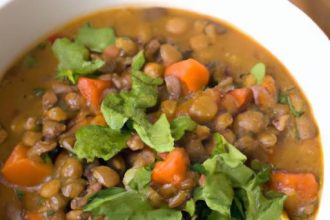

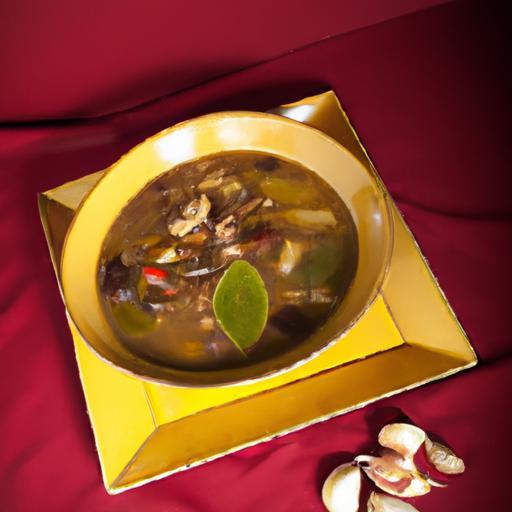
In the heart of West Africa, where vibrant cultures and rich traditions intertwine, a single bowl of pepper soup tells a story as bold and diverse as the land itself. Pepper soup is more than just a dish-it’s a sensory journey through fiery spices, aromatic herbs, and ancestral wisdom passed down through generations. From bustling markets to quiet family kitchens, this beloved stew ignites the palate with its warming heat and soulful depth, capturing the spirit of West African hospitality. join us as we delve into the origins, ingredients, and regional twists of pepper soup, uncovering how this spicy elixir has become a cherished culinary treasure across the continent and beyond.
Origins and cultural Importance of Pepper Soup in West African Cuisine
Pepper Soup stands as a culinary jewel in west African cuisine, celebrated not only for its vibrant, fiery flavor but also for its profound cultural roots. This warming, aromatic broth has been a staple across Nigeria, Ghana, Sierra Leone, and beyond, traditionally served during celebrations, family gatherings, and healing rituals. More than just a dish, pepper soup is an emissary of comfort and community, heralded for its believed medicinal qualities that soothe colds and invigorate the spirit. Its legacy is woven from ancient cooking practices and communal meals, where storytelling and shared flavors strengthen bonds and honor regional heritage.
Key Ingredients and Aromatic Spices That Define Pepper Soup
The magic of pepper soup lies in the intricate layering of bold spices and fresh ingredients. The foundation typically starts with tender protein-commonly chicken, fish, goat, or assorted beef parts-infused deeply with a bouquet of West African spices. The hallmark spice is Calabash nutmeg (Ehuru), offering a distinct, slightly sweet warmth that contrasts wonderfully with the searing heat of scotch bonnet peppers. Alongside these, a blend of aromatics such as alligator pepper (Grains of Paradise), fresh ginger, cloves, and a pinch of Uziza seeds brings complexity and depth. The broth remains clear and light, designed to highlight these spicy, earthy elements without heaviness.
Customary cooking Techniques for the Perfect Blend of Heat and Flavor
Achieving the perfect pepper soup balance is an art form-a dance between timing and temperature. Usually, the protein is parboiled gently to seal in moisture and tenderness. The spices are cracked or ground freshly to preserve their volatile oils and intensify aroma. aromatics are added in stages, starting with ginger and onions, followed by the carefully measured chili, which warms the broth without overwhelming it. Slow simmering allows the flavors to meld harmoniously, coaxing the essence of each spice into the broth. Some cooks employ special pepper soup spice blends wrapped in muslin bags to facilitate easy removal, ensuring the soup remains clear yet flavorful.
pairing Suggestions and Serving Tips to Enhance Your Pepper Soup Experience
To fully enjoy this peppery delight, serve your pepper soup steaming hot, accompanied by soft, starchy sides that mellow its heat. Popular choices include pounded yam, fufu, or garri, which lend a satisfying heft and soak up the vibrant broth. Garnish with fresh herbs like scent leaf or finely sliced onions to add freshness and crunch. A squeeze of lime or lemon can brighten the flavors, balancing the spice with a subtle tang.For a communal experience, serve in large bowls allowing guests to scoop with their fingers or spoons, honoring the tradition and warmth of this beloved dish.
Prep and Cook Time
- Preparation: 15 minutes
- Cooking: 45 minutes
- Total: 1 hour
Yield
Serves 4 hearty portions
Difficulty Level
Medium – perfect for home cooks ready to explore authentic West African spices
Ingredients
- 2 lbs chicken pieces (or preferred protein like fish or goat), cleaned and chopped
- 1 large onion, chopped
- 3-4 scotch bonnet peppers, whole or sliced for varied heat
- 1 tablespoon Calabash nutmeg (EHURU), ground
- 1 teaspoon alligator pepper (Grains of Paradise), crushed
- 1 teaspoon Uziza seeds, ground (optional)
- 1-inch fresh ginger, peeled and sliced
- 2 cloves garlic, minced
- 1 teaspoon dried thyme
- 6 cups water or light chicken broth
- Salt to taste
- Fresh scent leaves or basil for garnish
- Lemon or lime wedges, for serving
Instructions
- prep the protein: Rinse and season the chicken or protein pieces lightly with salt and half the ground Calabash nutmeg. Set aside.
- Boil aromatics: In a large pot, add the water or broth, chopped onion, ginger, garlic, and scotch bonnet peppers. Bring to a gentle boil.
- Add protein: Carefully add the chicken pieces to the simmering liquid. Skim off any foam that rises to keep the broth clear.
- Spice infusion: Stir in the remaining Calabash nutmeg, alligator pepper, Uziza seeds, and dried thyme. Cover and simmer on medium-low heat for 35-40 minutes, or until the protein is tender.
- Adjust seasoning: Taste and add salt as needed.For extra heat, gently crush a scotch bonnet pepper into the broth, but be cautious not to overpower the flavor.
- Final simmer: Let the soup simmer uncovered for 5 minutes to intensify aromas and slightly reduce the broth.
- Serve: Ladle into bowls and garnish with fresh scent leaves. Offer lemon or lime wedges on the side for a citrusy lift.
Tips for Success
- Use fresh whole spices when possible, grinding them just before cooking to maximize fragrance.
- For a lighter broth, avoid overcooking the protein; maintain a gentle simmer to keep the meat tender and the broth clear.
- Substitute chicken with fish or goat for regional variations; adjust cooking times accordingly.
- Pepper soup can be prepared ahead and tastes even better the next day as flavors deepen.
- For a gluten-free option, pair with plantain fufu or yam flour instead of wheat-based sides.
Serving Suggestions
Serve this vibrant pepper soup alongside pounded yam or garri to soak the luscious broth. Add sliced onions and freshly chopped scent leaves for that customary aroma and crunch. A cold,refreshing drink like chilled palm wine substitute or coconut water complements the spicy broth beautifully,balancing heat with natural sweetness.

| Nutrient | Amount per Serving |
|---|---|
| calories | 220 kcal |
| Protein | 28 g |
| Carbohydrates | 4 g |
| Fat | 9 g |
explore more flavorful West African stews and soups for your next culinary adventure.
For detailed insights into the health benefits of spices used, visit the National Institutes of Health spice study.
Q&A
Q&A: Pepper Soup – A Spicy Journey Through West African Flavors
Q1: What exactly is Pepper Soup?
A1: Pepper Soup is a vibrant and aromatic West African dish known for its bold use of spices and hearty proteins.It’s a clear, spicy broth that warms both body and soul, frequently enough served as a comforting meal during celebrations, chilly evenings, or moments when soothing heat is needed. Each spoonful tells a story of tradition, warmth, and the rich culinary heritage of the region.
Q2: Which countries in West Africa are famous for their Pepper Soup?
A2: Pepper Soup is beloved across many West African nations, including Nigeria, Ghana, Liberia, Sierra Leone, and Cameroon. Each country-and even regions within them-puts its own flavorful spin on the dish, varying the choice of proteins, spices, and herbs, making Pepper Soup a tasty mosaic of local tastes.
Q3: What are the primary ingredients that give Pepper Soup its signature heat?
A3: the defining kick of Pepper Soup comes from a blend of indigenous spices such as calabash nutmeg (Ehuru), Negro pepper (Uda), and alligator pepper, combined with fiery chili peppers native to the region. These spices create layers of heat and complexity, balanced by fragrant herbs and occasionally a hint of bitterness from specific leaves or seeds.
Q4: What types of proteins are traditionally used in Pepper Soup?
A4: Pepper Soup is wonderfully versatile when it comes to proteins.Common choices include chicken, goat, fish, beef, or assorted seafood. The choice often depends on local availability and personal preference. Each protein imparts its own depth, from the richness of goat meat to the delicate sweetness of fresh fish.
Q5: How does Pepper Soup reflect West African culture beyond just flavor?
A5: Beyond being a meal, pepper soup embodies community, ritual, and healing. It is often enjoyed during family gatherings, festive events, or as a restorative broth to combat illnesses or the effects of a late night. The communal sharing of Pepper soup fuels connection and embodies the West african spirit of togetherness.
Q6: Is Pepper Soup always extremely spicy?
A6: While Pepper Soup is known for its heat, the spice level can be adjusted to suit different palates. Some versions pack a fiery punch that awakens the senses; others are milder, letting the aromatic spices take center stage. This flexibility makes Pepper Soup accessible to a wide range of spice lovers.
Q7: What role do traditional herbs play in Pepper Soup?
A7: Traditional herbs such as scent leaves,uziza,and bitter leaves add layers of aroma and flavor that complement the spice.These herbs aren’t just flair-they bring medicinal qualities and help balance the intense heat, enriching the soup’s complexity and grounding it firmly in nature’s bounty.
Q8: How is Pepper Soup typically enjoyed in West African households?
A8: Pepper Soup is frequently enough served piping hot, accompanied by staples like yam, plantain, or rice. It can be a light starter or a hearty main, depending on the occasion. Sharing Pepper Soup is a sign of hospitality and love, making every meal a festivity of flavor and friendship.
Q9: Can Pepper Soup be adapted for modern or international kitchens?
A9: Absolutely! While the soul of Pepper Soup lies in its indigenous spices, home cooks worldwide can experiment by sourcing West African spice blends online and pairing them with locally available proteins. The key is respecting its vibrant heritage while inviting creativity-perhaps infusing it with seasonal produce or fresh herbs reflecting your own culinary landscape.
Q10: Why should food lovers explore Pepper Soup?
A10: Pepper Soup offers more than just a meal; it’s an exploration of culture, tradition, and the fiery heart of West african cuisine. For adventurous palates, it promises a sensory journey through spice, fragrance, and history-a true celebration of flavor that invites connection, curiosity, and warmth in every bowl.
Future Outlook
As the steamy bowl of pepper soup cools and the last fragrant spoonful lingers on your tongue, you realize this is more than just a dish-it’s a vibrant story simmering with history, culture, and the fiery spirit of West Africa. From bustling markets to cozy family gatherings, pepper soup embodies the heart of a region where bold flavors dance in harmony and every spice tells a tale. Whether you seek warmth on a rainy day or a taste of tradition on festive nights,this spicy journey through West African flavors invites you to savor not only the heat but also the rich heritage that infuses every drop. So next time you crave something soulful and sizzling,remember-pepper soup isn’t just food; it’s an invitation to explore a world of flavor that’s as deep and diverse as the continent itself.