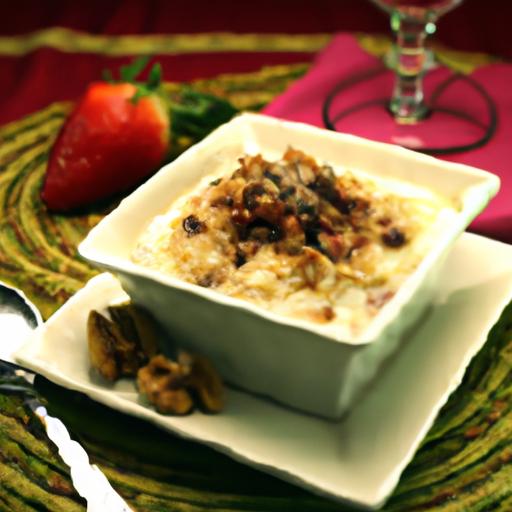



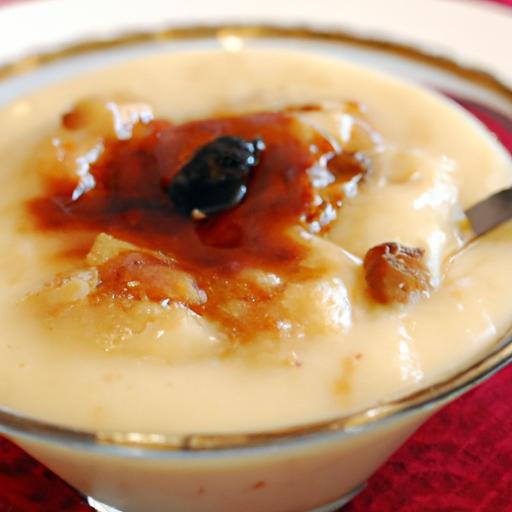
Nestled within the rich tapestry of Turkish cuisine lies a dessert that dances gracefully between simplicity and indulgence-sutlac. This creamy rice pudding, with its velvety texture and subtle sweetness, has been a cherished comfort for generations, quietly earning its place on tables from bustling bazaars to cozy family gatherings. But sutlac is more than just a dessert; it is a story steeped in history, culture, and culinary artistry. In this article, we unravel the layers of sutlac’s tradition, exploring how this humble pudding transcends mere ingredients to become a symbol of warmth and heritage in Turkey’s vibrant food landscape. Join us as we delve into the origins,preparation,and enduring charm of sutlac-the beloved Turkish rice pudding unveiled.
Sutlac, the beloved Turkish rice pudding, captivates with its velvety texture and rich cultural roots, making it a staple dessert in Turkey’s culinary heritage. This creamy treat, traditionally enjoyed during festive occasions and family gatherings, carries stories that span centuries-echoing ancient Ottoman elegance and humble anatolian homes alike. What sets Sutlac apart is not just its comforting sweetness but the masterful balance between simplicity and technique, inviting every home cook to discover the art behind its perfect silkiness. As you dive into this journey, you’ll uncover how the precise dance of ingredients and gentle cooking methods transform basic pantry staples into an iconic Turkish delight.
Prep and Cook Time
- Prep Time: 15 minutes
- cook Time: 50 minutes
- Total Time: 1 hour 5 minutes
Yield
- Serves 6-8 people
Difficulty Level
- Easy to Medium
Ingredients
- 1/2 cup short-grain rice, rinsed
- 5 cups whole milk
- 3/4 cup granulated sugar
- 2 tablespoons cornstarch
- 1 teaspoon pure vanilla extract
- 1 teaspoon rose water or orange blossom water (optional for fragrant authenticity)
- Ground cinnamon for garnish
- Chopped pistachios for garnish (optional)
Instructions
- Soak and cook the rice: Combine the rinsed rice with 1 cup of water in a medium saucepan. Bring to a boil, then reduce heat and simmer for about 15 minutes until the rice is soft and water absorbed.
- Prepare the milk base: In a large heavy-bottomed pot, pour the whole milk and bring it to a gentle simmer over medium-low heat, stirring occasionally to avoid scorching.
- Incorporate the rice: Add the cooked rice to the simmering milk, stirring constantly to combine thoroughly and develop a creamy consistency over 15 minutes.
- Thicken the pudding: In a small bowl,mix the cornstarch with 1/2 cup of cold milk until smooth. Slowly whisk this slurry into the pot, continuing to cook and stir for another 10 minutes until the pudding thickens beautifully.
- Add sugar and flavour: Stir in the granulated sugar, vanilla extract, and rose or orange blossom water if using. Cook for an additional 5 minutes, tasting to ensure the sweetness is just right.
- Set and chill: Pour the Sutlac evenly into individual heat-safe ramekins or shallow bowls. Allow to cool to room temperature before refrigerating for at least 3 hours to fully set and chill.
- Garnish and serve: Just before serving,sprinkle ground cinnamon and a few chopped pistachios over each portion for the classic,aromatic finish.
Tips for Success
- Choosing the rice: Short-grain rice yields the creamiest results due to its starch content; avoid long-grain varieties to maintain authenticity and texture.
- Milk matters: Whole milk is essential for richness; for a lighter version, opt for 2% but the dessert may be less creamy.
- Constant stirring: Prevents the rice pudding from sticking or burning, ensuring a smooth, even texture.
- Flavor infusions: Incorporate a cinnamon stick or lemon peel into the milk as it simmers for subtle, natural aroma – remember to remove before thickening.
- Make-ahead convenience: Sutlac keeps well refrigerated for up to 3 days, making it ideal for preparing ahead of special dinners.
- Oven-baked variant: For a traditional browned top, broil the chilled Sutlac lightly or bake in water bath until golden, then cool before serving.
Serving Suggestions
Present Sutlac in rustic ceramic bowls to evoke the warm ambiance of Turkish kitchens. Garnish with fresh pomegranate seeds or edible rose petals alongside the classic cinnamon and pistachios for a vibrant, seasonal touch. Serve it as a comforting finale to your meal or pair it with Baklava or explore more traditional Turkish sweets to fully immerse in the sumptuous flavors of the region. Sutlac also pairs elegantly with dried fruits like apricots or figs in autumn, or alongside fresh citrus segments in summer for contrast.
| Nutrient | Per Serving |
|---|---|
| calories | 215 kcal |
| Protein | 6 g |
| Carbohydrates | 38 g |
| Fat | 4.5 g |

Q&A
Q&A: Sutlac Unveiled: The Creamy Turkish Rice Pudding Tradition
Q1: What is Sutlac and why is it special in Turkish cuisine?
A: Sutlac,frequently enough spelled sütlaç,is a beloved Turkish rice pudding known for its creamy texture and delicate sweetness.This dessert holds a cherished place in Turkish culinary heritage, celebrated for its simplicity and comforting warmth. It’s more than just a dish-it’s a symbol of hospitality, family gatherings, and seasonal celebrations throughout Turkey.
Q2: How is Sutlac traditionally made?
A: The traditional recipe for Sutlac combines short-grain rice, milk, sugar, and a hint of vanilla or rosewater to infuse subtle floral notes. The mixture is gently cooked until the rice softens and the pudding reaches a luscious, velvety consistency. It’s often baked or broiled afterward to create a thin, caramelized layer on top, adding a delightful textural contrast.
Q3: Are there diffrent regional variations of Sutlac across Turkey?
A: Absolutely! In some regions, Sutlac is enriched with a splash of thick cream or enriched milk varieties to enhance creaminess. Others might sprinkle cinnamon or crushed pistachios on top, adding a fragrant surprise. Coastal areas may incorporate subtle citrus zest, reflecting the local flavors, while central Anatolia prides itself on a purer, simpler form emphasizing the rice and milk harmony.Q4: What makes Sutlac distinct from other rice puddings globally?
A: While many cultures celebrate rice puddings,sutlac stands out through its baking step-often finished in the oven under a broiler to create a delicate browned crust. This technique, combined with the use of milk and mild flavorings like mastic or rosewater, imparts a refined elegance and uniquely Turkish identity that’s both comforting and sophisticated.
Q5: When is sutlac typically served in Turkey?
A: Sutlac enjoys popularity year-round but is especially favored during colder months for its warming qualities.It is a common dessert at family dinners, festive occasions, and religious celebrations such as ramadan. Moreover, it frequently appears as a humble yet heartfelt offering in local bakeries and street markets, ready to be enjoyed after a satisfying meal.
Q6: Are there any cultural stories or traditions linked to Sutlac?
A: Indeed, Sutlac carries stories of generosity and community. It has long been a dessert shared during special gatherings, symbolizing abundance and togetherness. In some villages, Sutlac is prepared in large earthenware pots during festivals, signifying unity and the collective joy of sharing something sweet with neighbors and guests alike.
Q7: Can Sutlac be adapted for modern tastes while respecting tradition?
A: Definitely. While traditionalists cherish the classic recipe, contemporary chefs experiment with plant-based milks like almond or coconut for vegan versions, or incorporate natural sweeteners such as honey or pomegranate molasses for a twist. Yet, the heart of Sutlac remains its creamy rice base and the gentle baking finish that pays homage to its Turkish roots.
Q8: What tips can definitely help someone make perfect Sutlac at home?
A: Patience is key-cook the rice gently to soften it thoroughly without rushing. Stir frequently to avoid scorching the milk. Use whole milk for that rich texture and consider soaking the rice beforehand for extra creaminess. When baking, monitor closely to achieve the ideal golden top without burning. allow it to cool slightly; Sutlac is best enjoyed warm or at room temperature to fully appreciate its comforting charm.
Q9: How can Sutlac be served or garnished to enhance its presentation?
A: Classic garnishes include a sprinkle of ground cinnamon or finely crushed pistachios, adding both color and crunch. Fresh rose petals or a drizzle of honey can elevate Sutlac into a more elegant dessert. Serving Sutlac in charming ceramic bowls or traditional tulip-shaped glasses also reflects its cultural heritage beautifully.
Q10: Where might travelers experience authentic Sutlac when visiting Turkey?
A: Travelers can find Sutlac in almost every corner of Turkey, from Istanbul’s vibrant street food markets to the cozy family-run restaurants of Cappadocia. Traditional sweet shops (lokantalar) and pastry houses frequently enough showcase this dessert,made fresh daily. Sampling Sutlac in a centuries-old teahouse or during a local festival offers an authentic taste of the country’s rich culinary tapestry.
In Retrospect
As the final spoonful of sutlac melts on your tongue,you’re left with more than just a lingering sweetness-you carry with you a piece of Turkey’s rich culinary heritage.This humble rice pudding, silky and subtly spiced, is a testament to how simple ingredients can weave together stories of tradition, community, and comfort. Whether enjoyed in a bustling Istanbul bakery or recreated in your own kitchen thousands of miles away, sutlac invites us all to savor the warmth of shared history, one creamy bite at a time. So next time you crave a dessert that’s both timeless and tender, remember sutlac-a delicious link to the heart of Turkish culture.