
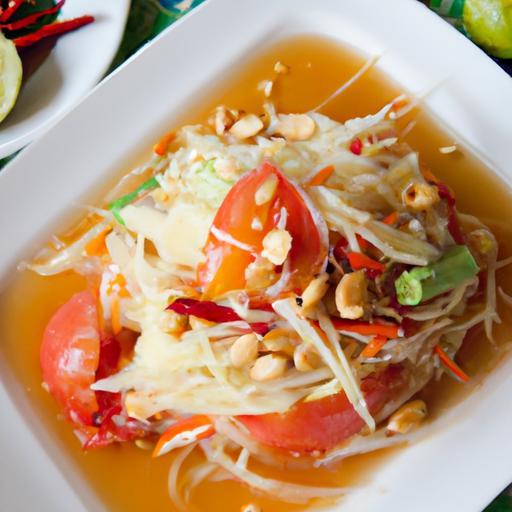
In the vibrant tapestry of Thai cuisine,few dishes capture the nation’s fiery spirit and zest for life quite like Som Tum. this unassuming green papaya salad, bursting with layers of spicy, tangy, and sweet flavors, is more than just a street food staple-it’s a sensory adventure that tells stories of tradition, regional influences, and ingenious simplicity. But beyond its crunchy texture and bold taste lies a world of secrets waiting to be uncovered. Join us as we peel back the layers of Som Tum, unlocking the culinary techniques, cultural nuances, and hidden ingredients that make Thailand’s iconic green papaya salad a dish both timeless and endlessly engaging.
The Art of Balancing Flavors in Authentic som Tum
Som Tum Secrets unlock the vibrant, unmistakable harmony of sweet, sour, spicy, and salty that defines Thailand’s beloved green papaya salad.Originating from the northeastern isaan region, this dish is more than just a salad – it’s a sensory experience. Each bite tells a story of fresh ingredients crushed together in a customary mortar, teasing your palate with a lively dance of textures and flavors that awaken the senses. My first encounter with Som Tum was a revelation – its fiery yet refreshing character made it an instant favorite and inspired me to master this culinary gem at home.
prep and Cook Time
- Preparation: 15 minutes
- Cooking: 10 minutes (primarily toasting and pounding ingredients)
- Total Time: 25 minutes
Yield
Serves 4 as a refreshing side or light main dish.
Difficulty Level
Medium – requires properly balancing flavors and textures,plus familiarity with using a mortar and pestle for authentic results.
Essential Ingredients That Define Thailand’s Spicy Green papaya Salad
- 2 cups shredded green papaya (firm, unripe, and crisp)
- 10 cherry tomatoes, halved
- 2 cloves garlic, roughly chopped
- 2-3 Thai bird’s eye chilies, adjust to taste
- 2 tablespoons palm sugar (or light brown sugar)
- 2 tablespoons fish sauce (or Thai soy sauce for vegetarian version)
- 2 tablespoons freshly squeezed lime juice
- 1/4 cup roasted unsalted peanuts, lightly crushed
- 1/2 cup long beans, cut into 1-inch pieces
Step-by-Step Guide to Crafting the Perfect Som Tum at Home
- Toast the peanuts: In a dry skillet over medium heat, toast the peanuts until golden and fragrant, about 3-4 minutes. Set aside to cool, then crush lightly with a mortar or rolling pin.
- Prepare papaya and long beans: Peel the green papaya, then shred it finely using a mandoline or box grater.Cut the long beans into bite-sized pieces and halve the cherry tomatoes; set aside.
- Muddle aromatics and heat: In a large mortar and pestle, combine garlic and Thai bird’s eye chilies. Gently pound until you release their fragrances but avoid pulverizing to a paste.
- Add the palm sugar to the mortar and lightly crush it with the garlic and chilies until softened and aromatic.
- Incorporate liquids: Add the fish sauce and lime juice to the mortar, mixing well to dissolve the sugar while maintaining balance between salty, sour, and sweet.
- Add vegetables: Toss in the shredded papaya, long beans, and cherry tomatoes. Lightly pound and mix with a spoon or pestle, just enough to bruise the papaya and beans without turning mushy.
- Combine peanuts: Stir in the crushed peanuts, reserving a small handful for garnish.
- Taste and adjust: Now is the time to tweak seasoning - add more chilies for heat, sugar for sweetness, or lime juice for zing. The beauty of Som Tum Secrets lies in personal customization.
- Serve immediately, garnished with reserved peanuts and a wedge of lime for extra freshness.
Insider Tips for customizing Heat and Texture to Suit Your palate
Adjusting heat: Bird’s eye chilies pack serious heat. Use fewer if you prefer mild, or substitute with deseeded jalapeños for gentler warmth. For an authentic kick, slightly crush the chilies early in the mortar but keep most whole to infuse subtle heat.
Texture balancing: The crispness of the green papaya is key.Avoid shredding too thickly or working the salad too aggressively to keep that satisfyingly crunchy bite. Similarly,lightly bruising the long beans helps release their earthy note without losing snap.
ingredient substitutions: Use lime juice rather of tamarind paste for a brighter sourness, and soy sauce in place of fish sauce for vegetarian options. toasted cashews can replace peanuts for a different nuttiness.
Make-ahead advice: Prepare the dressing separately and add papaya just before serving to maintain optimal freshness.
Serving Suggestions
Present your Som Tum in a rustic bowl or a traditional Thai dish to highlight its vibrant colors. Garnish with a sprinkle of crushed peanuts, fresh cilantro leaves, and extra lime wedges on the side. Pair it perfectly with fragrant jasmine rice and grilled chicken or sticky rice for a balanced Thai feast. A chilled Thai iced tea or coconut water complements the fiery, tangy profile beautifully.
| Nutrient | Per Serving |
|---|---|
| calories | 170 kcal |
| Protein | 5 g |
| Carbohydrates | 22 g |
| Fat | 7 g |

For a deeper dive into Thai cooking fundamentals, check our Thai Cooking Basics guide. To explore the cultural background and health benefits of papaya salad, visit Britannica’s overview on Thai cuisine.
Q&A
Q&A: Som tum Secrets – Unlocking Thailand’s Spicy Green Papaya Salad
Q1: What exactly is Som Tum, and why is it so iconic in Thai cuisine?
A1: Som tum is Thailand’s legendary green papaya salad, celebrated for its electrifying balance of spicy, sour, sweet, and salty flavors. Originating from the northeastern Isaan region, this salad is a vibrant symphony of shredded unripe papaya, fresh herbs, and zesty dressings that awaken the senses and embody the heart of Thai street food culture.
Q2: What makes green papaya the star of Som Tum?
A2: Green papaya is the secret ingredient that brings Som Tum’s signature crispness and subtle tartness. Unlike ripe papaya, the unripe fruit boasts a firm, crunchy texture that soaks up the dressing beautifully without turning mushy. Its mild flavor acts as the perfect canvas for the bold, fiery ingredients it accompanies.
Q3: How do Thai chefs achieve the perfect balance of flavors in Som Tum?
A3: The magic lies in the harmonious interplay of four key flavor pillars: the sharp tang of lime juice, the intense heat of fresh chili, the natural sweetness of palm sugar, and the deep umami kick of fish sauce.skilled chefs pound thes elements together with papaya in a mortar and pestle, gently bruising the ingredients to meld their essences without losing texture.
Q4: Are there different regional variations of Som Tum?
A4: Absolutely! While the classic Som Tum Thai features peanuts and dried shrimp, the northeastern “som Tum Isaan” version frequently enough includes fermented crab and extra spiciness. In southern Thailand, you might find versions infused with local herbs or sweetened differently. Each variation reflects its locale’s unique palate and available ingredients.
Q5: Can Som Tum be adapted for vegetarian or vegan diets?
A5: Yes! By swapping fish sauce with soy sauce or tamari and omitting dried shrimp, Som Tum can be a vibrant, plant-based delight that doesn’t skimp on flavor.Fresh herbs, lime, garlic, and chili maintain the salad’s signature punch, making it accessible to all dietary preferences without losing its authentic spirit.
Q6: what are some surprising ingredients that can elevate Som Tum?
A6: Beyond the classics, creative cooks sometiems add cherry tomatoes for juicy bursts, long beans for extra crunch, or toasted peanuts for smoky depth. A sprinkle of freshly chopped coriander or a handful of shredded carrots can add color and subtle flavor layers, personalizing this flexible dish without overshadowing its essence.
Q7: How should Som Tum be served to enjoy its best flavors?
A7: Freshly prepared Som Tum is best enjoyed immediately, when its crisp papaya and zesty dressing are at their peak. It is often paired with sticky rice and fresh vegetables like cabbage or cucumber slices to balance the heat. Served as a side or a light meal, it’s a refreshing burst of flavor on a hot day.Q8: What’s the best way to pick a green papaya for Som Tum?
A8: Look for a firm, unripe papaya with pale green skin and no soft spots or blemishes. The fruit should feel heavy and solid, indicating freshness. When shredded, the flesh should be crunchy and translucent rather than soft or overly juicy, ensuring the salad’s trademark texture.Q9: Why is the mortar and pestle so essential in making Som Tum?
A9: The mortar and pestle is the traditional tool that transforms the ingredients into a cohesive flavor mosaic. Pounding gently releases the aromatic oils from garlic and chilies while lightly bruising the papaya to better absorb the dressing. This method retains fresh crunch and produces a texture impossible to replicate with a blender or food processor.
Q10: Can Som Tum be enjoyed fresh in international kitchens? What tips help recreate its authentic flavor?
A10: Definitely! Unlocking authentic Som Tum abroad is about sourcing quality ingredients – fresh green papaya, Thai bird’s eye chilies, firm lime, and pure palm sugar. Using a mortar and pestle to pound but not pulverize the ingredients keeps the texture lively. Balancing the dressing components carefully and tasting as you go ensures the iconic harmony of vibrant heat, tang, sweetness, and saltiness in every bite.
In Conclusion
As the vibrant flavors of Som Tum continue to captivate taste buds around the world, unlocking its secrets reveals more than just a dish-it’s a journey into Thailand’s rich culinary heritage.this spicy green papaya salad embodies the perfect harmony of heat, tang, and crunch, inviting both seasoned food lovers and curious newcomers to experience a true taste of Thai culture. Weather you’re crafting it at home or savoring it from a bustling street vendor, embracing the art and tradition behind Som Tum transforms every bite into a festivity of flavor, history, and the spirited heart of Thailand. So next time you reach for that fiery, refreshing salad, remember: you’re not just eating som Tum-you’re tasting a story centuries in the making.