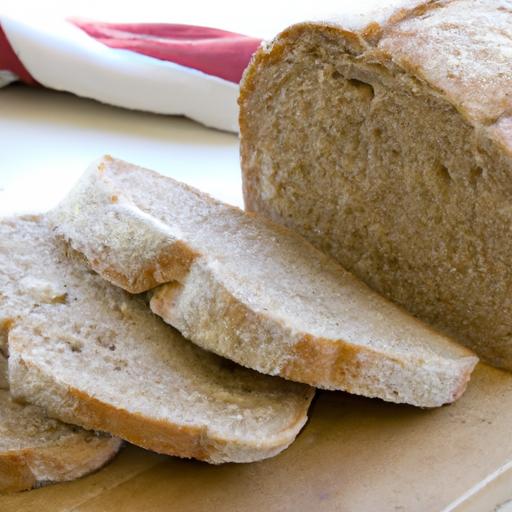




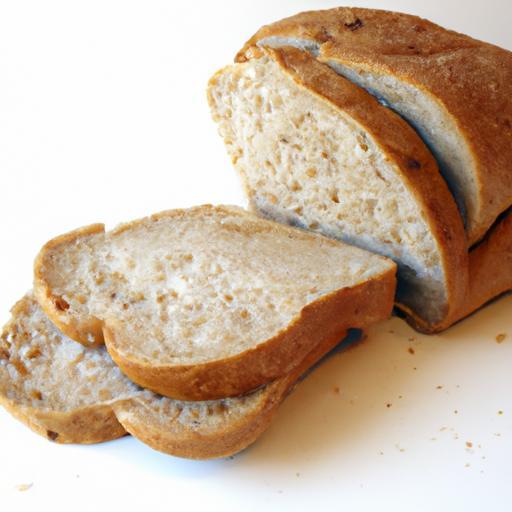
In a world brimming with fast food fixes and fleeting trends, whole wheat bread stands as a timeless testament to nature’s bounty-each slice a humble masterpiece of wholesome goodness. More than just a simple pantry staple, whole wheat bread weaves together rich flavors and robust nutrition, offering a flavorful bridge between tradition and healthful living. From the hearty crunch of its crust to the earthy warmth of its grainy crumb, this unassuming loaf invites us to savor nourishment in its purest form. Join us as we explore the story behind whole wheat bread, uncovering how this everyday bread earns its place as a truly nutritious slice of life.
Whole wheat bread serves as a true nutritional powerhouse, offering a rich array of nutrients that promote digestive health and overall wellness. This hearty loaf, crafted from whole grains, retains the bran, germ, and endosperm, making it a fiber-packed staple that nurtures your gut and supports steady energy release. Its wholesome nature makes it an ideal choice for anyone seeking to enhance their daily nutrition without sacrificing flavor or comfort.
Prep and Cook Time
- Planning: 20 minutes
- Rising: 1 hour 30 minutes (total for two rises)
- Baking: 30 minutes
- total Time: Approximately 2 hours 20 minutes
Yield
1 loaf (about 12 generous slices)
Difficulty Level
Medium – perfect for bakers comfortable with yeast bread making but still approachable for ambitious beginners.
Ingredients
- 3 cups whole wheat flour, sifted
- 1 cup warm water (110°F/43°C)
- 2 tablespoons honey or pure maple syrup
- 1 packet (2 ¼ teaspoons) active dry yeast
- 2 tablespoons olive oil (extra virgin for flavor)
- 1 teaspoon fine sea salt
- Optional: 2 tablespoons rolled oats or sunflower seeds for topping
Instructions
- Activate the yeast: In a small bowl, stir honey into warm water. Sprinkle the yeast over the surface and let it sit for 5-10 minutes until foamy, signaling active yeast.
- Mix the Dough: In a large mixing bowl, combine the whole wheat flour and salt. Make a well in the center and pour in the yeast mixture and olive oil. Stir together using a wooden spoon until a shaggy dough forms.
- Knead to Perfection: Turn the dough onto a lightly floured surface. Knead for about 10 minutes until the dough becomes smooth and elastic, soft but not sticky. If too sticky, add flour one tablespoon at a time.
- first Rise: Lightly oil a large bowl and place the dough inside, turning to coat it with oil. Cover with a clean kitchen cloth or plastic wrap and leave in a warm spot for 1 hour or until doubled in size.
- Shape the Loaf: Gently punch down the dough to release excess air. Shape it into a tight oval or rectangle, depending on your loaf pan or baking sheet preference.
- Second Rise: Place the shaped dough on a parchment-lined baking sheet or greased loaf pan. cover and let rise another 30 minutes until puffy.
- Preheat the Oven: While the dough is rising, preheat your oven to 375°F (190°C).
- Bake Bulkely and Evenly: Before baking, brush the top lightly with water. optionally, sprinkle rolled oats or sunflower seeds for a rustic, crunchy finish. Bake for 28-32 minutes until the crust is golden brown and the loaf sounds hollow when tapped.
- Cool Fully: Remove from oven and transfer the bread onto a wire rack. Allow it to cool fully before slicing to prevent sogginess and to develop full flavor and texture.
tips for Success
- Hydration adjustment: Depending on your whole wheat flour’s absorbency, you may need to add up to 2 tablespoons extra water. The dough should feel soft and supple, never dry or crumbly.
- Slow Rise option: For deeper flavor, refrigerate the dough after the first rise and allow it to ferment slowly overnight. Bring it back to room temperature before shaping and second rise.
- substitutions: Swap honey with agave syrup or brown sugar to keep it plant-based and allergen-friendly.
- Make-Ahead: This bread freezes exceptionally well. Slice and freeze in airtight bags for up to 3 months. Toast slices directly from the freezer for a fresh-baked experience.
- Mix-Ins: Add ½ cup chopped nuts, flaxseeds, or raisins during kneading for extra texture and nutrients.
Serving Suggestions
Warm slices of whole wheat bread are a versatile partner to any meal. Spread with creamy avocado and a sprinkle of chili flakes for a nutritious breakfast, or dress with a smear of nut butter and fresh berries for an energizing snack. Pair with homemade hummus, roasted vegetables, or a vibrant tomato-basil salad for lunch. When serving dinner,this bread beautifully complements hearty stews,lentil soups,or grilled vegetable platters. Top with a light drizzle of olive oil and flaky sea salt for a rustic appetizer.Garnish with fresh herbs like rosemary or thyme to elevate simple presentations.

| Nutrient | Per Slice (Approx.) |
|---|---|
| Calories | 110 kcal |
| Protein | 4 g |
| Carbohydrates | 20 g |
| Fiber | 3.8 g |
| Fat | 1.1 g |
Enhance your knowledge about whole grains and their benefits by visiting the Healthline whole grains guide. For more wholesome bread recipes, check our whole grain baking collection and start your journey to better nutrition today!
Q&A
Q&A: Whole Wheat Bread – A Wholesome Slice of Nutritious Goodness
Q1: What makes whole wheat bread different from white bread?
A: Whole wheat bread is crafted from the entire wheat kernel-bran, germ, and endosperm-preserving vital nutrients and fiber. White bread, by contrast, is made from refined flour that has the bran and germ removed, stripping away much of the grain’s natural goodness. This means whole wheat bread offers more vitamins, minerals, and a heartier texture that keeps you full longer.
Q2: Why should I consider adding whole wheat bread to my daily diet?
A: Whole wheat bread is a nutritional powerhouse packed with dietary fiber, B vitamins, magnesium, and antioxidants. These contribute to steady energy levels, improved digestion, and better heart health. Incorporating it into your meals supports balanced blood sugar and keeps your gut happy-making it a smart choice for a wholesome lifestyle.Q3: Does whole wheat bread taste very different from other breads?
A: whole wheat bread carries a robust, nutty flavor and a denser, more satisfying crumb compared to lighter breads. Its natural earthiness pairs beautifully with a range of toppings-think creamy nut butters, fresh veggies, or melting cheeses-adding delicious depth to every bite.
Q4: Can whole wheat bread help with weight management?
A: Absolutely! Thanks to its high fiber content, whole wheat bread promotes a sense of fullness and slows digestion, which can help curb overeating. choosing it over more processed breads supports steady energy release and reduces cravings, aiding those mindful of their waistlines.
Q5: how can I tell if a bread labeled “whole wheat” is truly wholesome?
A: Look for “100% whole wheat” on the label and check the ingredient list-real whole wheat bread should list whole wheat flour as the first ingredient with no hidden additives or excessive sugars. A deeper brown color can be a good hint, but always trust the ingredients over appearances.
Q6: Is whole wheat bread suitable for people with gluten sensitivities?
A: Whole wheat bread contains gluten, a protein found in wheat and related grains, so it’s not suitable for individuals with celiac disease or gluten intolerance. However, for those without gluten issues, it’s a nourishing choice that brings valuable nutrients to the table.
Q7: What are some creative ways to enjoy whole wheat bread beyond the classic sandwich?
A: Think beyond conventional uses-try toasting whole wheat bread and topping it with avocado and cherry tomatoes, or creating savory bread puddings with mushrooms and herbs. It’s also fantastic cubed and toasted as a crunchy salad crouton or as a base for delectable bruschettas brimming with fresh veggies and herbs.
Q8: How does whole wheat bread support digestive health?
A: The bran layer in whole wheat flour is rich in soluble and insoluble fiber, which nurtures healthy gut bacteria, regulates bowel movements, and prevents constipation.Eating whole wheat bread regularly can definitely help maintain a balanced digestive system, contributing to overall wellness.
Q9: Can children benefit from eating whole wheat bread?
A: Definitely! whole wheat bread provides kids with essential nutrients and sustained energy needed for growth, learning, and play. Its fiber content supports healthy digestion,making it an excellent option for lunchboxes and after-school snacks.
Q10: What’s the best way to store whole wheat bread to keep it fresh and delicious?
A: Whole wheat bread freshness can be preserved by keeping it in an airtight container or reusable bread bag at room temperature for a few days. For longer storage, slice and freeze it-then toast slices straight from the freezer whenever you crave that wholesome goodness.
Whole wheat bread isn’t just a staple-it’s a nourishing slice of nature’s bounty, ready to fuel your day with flavor and vitality!
Closing Remarks
In a world where food choices frequently enough swing between convenience and health, whole wheat bread stands as a comforting bridge-offering both nourishment and flavor in every wholesome slice. Beyond its hearty texture and nutty aroma lies a treasure trove of nutrients that support digestion,heart health,and sustained energy. Embracing whole wheat bread isn’t just about choosing a carbohydrate; it’s about making a mindful decision that honors your body’s need for real, unrefined goodness. So next time you reach for a loaf, remember that whole wheat bread isn’t just bread-it’s a humble powerhouse of nutrition, ready to elevate your meals and fuel your day, one wholesome slice at a time.