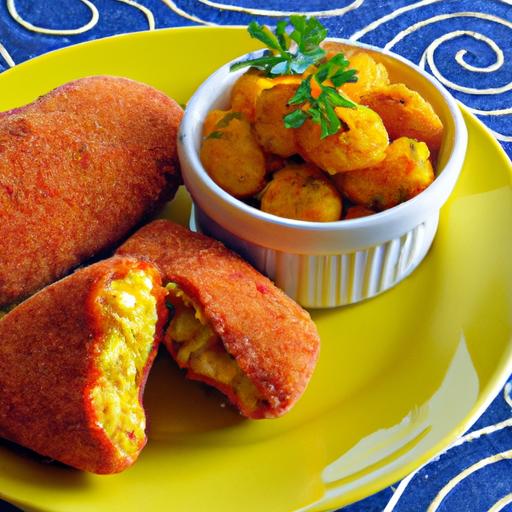



Beneath teh vibrant skies of Brazil’s streets, were colors clash and rhythms pulse, there sizzles a treasure steeped in history and bursting with flavour: acarajé. This golden, spicy delight is far more than just street food-it’s a culinary emblem woven into the fabric of Afro-Brazilian culture, carrying centuries-old traditions from the coast of West Africa to the heart of Salvador. In every crispy, fragrant bite, acarajé tells a story of resilience, heritage, and the fiery spirit of Brazil’s people. Join us as we unveil the rich tapestry behind this iconic dish, exploring its origins, ingredients, and the passionate hands that keep it alive in the bustling markets and street corners of the nation.
Acarajé invites food lovers on an immersive journey into the vibrant heart of Brazilian street food culture. Originating from the Afro-Brazilian communities in Bahia, this golden, crispy fritter embodies centuries of history, tradition, and soulful flavor. Crafted from black-eyed peas and delicately deep-fried in dendê oil, acarajé bursts with bold spices and textures, transporting you to the sun-drenched streets where vendors serve it piping hot, filled with savory shrimp and zesty vatapá. It’s a culinary treasure that not only satisfies hunger but also honors the rich African heritage woven into Brazil’s diverse gastronomy.
Prep and Cook Time
- Readiness: 30 minutes
- Soaking (black-eyed peas): 4-6 hours or overnight
- Cooking: 15 minutes
- Total Time: Approximately 5 hours (including soaking)
Yield
Makes approximately 12 medium-sized acarajé fritters.
Difficulty Level
Medium: Requires some hands-on prepping but straightforward with practice.
Ingredients
- 2 cups black-eyed peas, soaked overnight, skins removed
- 1 small yellow onion, finely chopped
- 2 cloves garlic, minced
- 1 teaspoon salt, adjust to taste
- 1/2 teaspoon ground black pepper
- 1 teaspoon dried red chili flakes (optional for heat)
- ½ cup fresh parsley, chopped
- 1 cup dendê oil (red palm oil), for frying
- 1 cup cooked shrimp, peeled and chopped (optional filling)
- 1 cup vatapá sauce (a creamy paste made from bread, coconut milk, peanuts, and spices) – optional
- Vegetable oil, for mixing or additional frying support
Instructions
- Prepare the black-eyed peas: Drain the soaked peas and rub them between your hands to remove the skins. Rinse in cold water to separate skins from the flesh; discard the skins. This step ensures a smooth batter and delicate texture.
- grind the peas: Using a food processor or traditional mortar and pestle, pulse the peeled peas until a smooth, sticky paste forms. Add the chopped onion, garlic, salt, pepper, chili flakes, and parsley. Pulse to evenly combine without over-blending.
- Rest the batter: Transfer the pea mixture into a bowl and let it rest for 20 minutes. This allows the flavors to meld and the batter to thicken slightly.
- Heat the dendê oil: In a deep, heavy-bottomed pan, heat the palm oil to 350°F (175°C). Be careful not to overheat, as dendê oil burns quickly and can turn bitter.
- Shape and fry the fritters: Using a tablespoon, drop generous spoonfuls of batter into the hot oil, flattening slightly into a flattened oval. Fry in batches, turning occasionally, until golden brown and crisp on all sides, about 4-5 minutes each batch.
- Drain and cool: remove fritters with a slotted spoon and place on paper towels to drain excess oil.
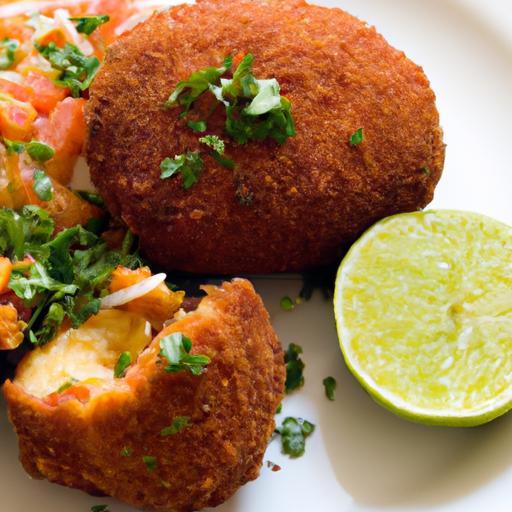
- Prepare to serve: Slice each acarajé open horizontally and fill with cooked shrimp and vatapá sauce,if using. serve immediately, piping hot, with a side of hot pepper sauce for authentic flair.
Chef’s Notes: Tips for Success
- Skin removal is key: Peeling the black-eyed peas thoroughly is essential for the airy, creamy texture that defines true acarajé.
- Dendê oil authenticity: This red palm oil gives acarajé its distinctive aroma and flavor. Substitute with neutral oil only if unavailable, but the taste will differ substantially.
- Spice level: Adjust chili flakes or add freshly minced malagueta peppers to amplify heat based on preference.
- Make-ahead batter: The pea paste can be refrigerated up to 24 hours, tightly covered, but fresh is best.
- Vegan adaptation: Skip the shrimp and serve filling with vatapá and caruru (okra stew) for a fully plant-based delight.
- Frying tips: Keep oil temperature constant for even frying and avoid overcrowding the pan,which drops the temperature and leads to greasy acarajé.
Serving Suggestions
Serve acarajé hot from the oil,traditionally wrapped in banana leaves or radiant white paper to retain heat and moisture. Garnish with fresh chopped cilantro, sliced red onions, and lime wedges for brightness. Accompany with a small bowl of fiery malagueta pepper sauce or a zesty vinaigrette for dipping. Pairing with a cold coconut water or freshly squeezed limeade elevates the experience, balancing spicy and savory flavors perfectly, just like enjoyed on the lively streets of Salvador.
| Nutrient | Per Serving (1 acarajé) |
|---|---|
| Calories | 210 kcal |
| Protein | 7 g |
| Carbohydrates | 20 g |
| Fat | 12 g |

Exploring Regional Variations and secret Spices That Define the Flavor
The flavor landscape of acarajé is as colorful as Brazil itself. While the Bahian version remains the gold standard, subtle regional twists add their signature flair. Some vendors infuse the batter with smoked paprika or annatto for richer color and aroma. In Rio de Janeiro, acarajé might potentially be served with a sweeter vatapá, incorporating coconut milk and peanuts alongside toasted bread.Secret spices such as cumin, coriander, or even a dash of allspice are guarded family traditions passed down through generations, elevating the humble fritter into culinary artistry.
Where to Find the best Acarajé Stalls and How to savor Them Like a Local
For a true taste of street-level authenticity, Bahia’s Pelourinho district in Salvador is a must-visit. Vendors, often women dressed in traditional white attire, prepare acarajé fresh to order, engaging in lively banter with customers while you wait. Devour your acarajé standing beside the beach or in bustling market squares, tearing into it with your hands and catching the juicy filling before it drips away. Pair it with a chilled glass of caldo de cana (sugarcane juice) or a refreshing caipirinha to complete your experience.
For travelers beyond Brazil, look for official cultural sites to find authentic acarajé street food festivals or workshops near you. Dive deeper into Afro-Brazilian cuisine through our Afro-Brazilian recipe collection and bring the fiery spirit of Brazil’s street food treasure into your own kitchen today.
Q&A
Q&A: Acarajé – Brazil’s Spicy Street Food Treasure Unveiled
Q1: What exactly is acarajé?
Acarajé is a beloved Brazilian street food originating from the Afro-Brazilian communities of Bahia. It’s a golden, crispy fritter made from black-eyed peas, deep-fried in palm oil, and traditionally filled with a spicy vatapá sauce-a creamy blend of shrimp, coconut milk, and peppers. This snack is a vibrant symbol of Brazil’s rich cultural tapestry and culinary heritage.
Q2: Where did acarajé come from?
Acarajé traces its roots back to West Africa, particularly among the Yoruba people. Enslaved Africans brought their recipes and cooking traditions to Brazil centuries ago, where acarajé evolved into a cultural and spiritual emblem within the Bahian Afro-Brazilian communities. Today, it’s both a festive food and a ritual offering in Candomblé ceremonies.
Q3: What makes acarajé so special compared to other fritters?
Unlike typical fritters,acarajé boasts a unique texture and flavor. Its batter, made from peeled black-eyed peas, yields a soft, fluffy interior wrapped in a crispy shell.The frying in dendê (red palm) oil imparts a distinctive, smoky aroma and vibrant orange hue. Paired with spicy, tangy fillings like vatapá and caruru (a okra-based relish), it delivers a complex, fiery taste experience.
Q4: What ingredients go into making traditional acarajé?
At its core, acarajé uses soaked and peeled black-eyed peas ground into a smooth paste, seasoned with salt and sometimes a touch of onion. The fritters are fried in dendê oil for that legendary flavor. Typically, they’re halved and stuffed with vatapá-a mix of bread, shrimp, coconut milk, peanuts, and spices-and caruru, making each bite a burst of spicy, creamy goodness.
Q5: How is acarajé typically enjoyed in Brazil?
Acarajé is most famously found sizzling from the frying pans of street vendors-often women called “baianas” wearing traditional white dresses and headscarves. Eaten hot, right off the street, it’s a lively part of Bahia’s food scene. It’s a snack, a meal, and a social event all at once, frequently enough accompanied by fresh lime and sometimes a drizzle of fiery chili sauce for those who crave extra heat.
Q6: Are there any vegetarian or vegan versions of acarajé?
Absolutely! While traditional acarajé fillings often include shrimp, many vendors and home cooks create vegan versions using the same crispy fritters but filled with spicy vegetable-based stews, seasoned yams, or okra sauces. These versions maintain the dish’s essence and fiery spirit, proving that acarajé’s magic transcends dietary restrictions.
Q7: Why is acarajé considered a cultural icon beyond just being a food?
Acarajé carries deep historical and spiritual significance. Beyond being a culinary delight, it connects modern Brazilians to African ancestry and religious traditions. The women who sell acarajé frequently enough serve as cultural ambassadors, preserving recipes passed down for generations, and their stalls serve as communal hubs where history, religion, and flavor blend into memorable experiences.
Q8: Can acarajé be made at home, or is it best enjoyed on the street?
While it’s possible to make acarajé at home, capturing the authentic taste requires access to quality dendê oil and fresh ingredients. The magic of street-acquired acarajé-freshly fried, piping hot, with vibrant fillings-is hard to replicate. Tho, for enthusiasts, home cooking offers a rewarding dive into Bahia’s culinary soul.
Q9: What’s the best time or place to try acarajé in Brazil?
For the full cultural immersion, Bahia’s streets-especially Salvador’s historic Pelourinho district-are the best places to sample acarajé. Vendors line up from morning into the evening, and many festival celebrations feature it prominently. Trying acarajé during local festivities offers a taste of the community’s vibrant energy alongside the delicious food.
Q10: How has acarajé influenced Brazilian cuisine overall?
Acarajé embodies the blend of African, indigenous, and Portuguese culinary influences that define Brazilian food.Its popularity inspired many variations and fusion dishes throughout the country. Its spicy, bold flavors have become a staple in brazilian gastronomic identity, inspiring chefs and home cooks to experiment with textures, fillings, and presentation while honoring its roots.
In Retrospect
As the sun sets over the vibrant streets of Brazil,the irresistible aroma of acarajé continues to weave its culinary magic-spicy,soulful,and steeped in history. More than just a street food, acarajé is a living testament to the rich cultural tapestry of Afro-Brazilian heritage, inviting every curious palate to experience a burst of flavors that tell stories of resilience and tradition. Whether enjoyed on a bustling Salvador corner or recreated in a kitchen miles away, this fiery fritter remains a beloved treasure, reminding us that sometimes, the simplest street bites carry the deepest roots. So next time you crave a taste adventure, let acarajé guide you on a spicy journey through Brazil’s vibrant heart.