


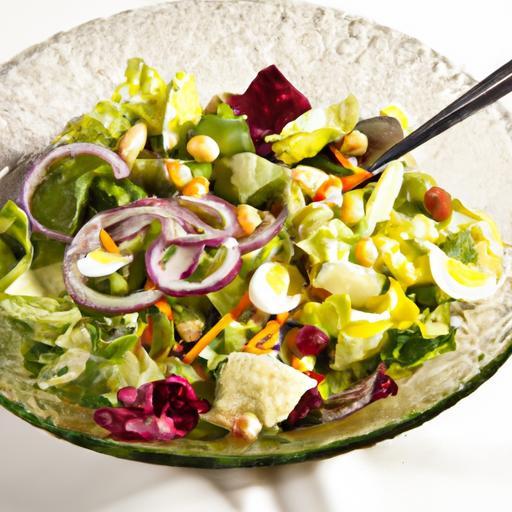
Radiant, vibrant, and bursting with zest, Israeli salad is much more than just a simple side dish-it’s a celebration of freshness and flavor that captures the very essence of Mediterranean cuisine.Rooted in tradition yet wonderfully versatile, this humble salad combines crisp vegetables, fragrant herbs, and a whisper of citrus to create a refreshing harmony that dances on the palate.In this article, we’ll peel back the layers of this beloved staple, exploring its origins, key ingredients, and the secrets that make Israeli salad a timeless favorite from bustling markets to home kitchens around the world. prepare to awaken your senses and discover how a few fresh, wholesome elements can transform into a dish that’s delightfully simple, unexpectedly complex, and irresistibly delicious.
Fresh & Flavorful: Discover the Secrets of Israeli Salad
fresh & flavorful ingredients form the heart of every authentic Israeli salad, making it more than just a dish-it’s a vibrant celebration of texture, color, and tradition. This iconic salad, rooted in Middle Eastern culinary heritage, has graced countless tables from bustling markets in Tel Aviv to cozy family dinners, captivating food lovers worldwide with its crisp freshness and harmonious flavors.
Prep and Cook Time
preparation: 15 minutes
Cooking: 0 minutes
Yield
Serves 4 as a side dish
Difficulty Level
Easy
Ingredients
- 3 medium ripe tomatoes, finely diced
- 2 medium cucumbers, peeled and diced (seeded if watery)
- 1 medium red bell pepper, diced
- 1 small red onion, finely chopped
- 1 cup fresh parsley leaves, finely chopped
- ½ cup fresh mint leaves, chopped
- 3 tbsp extra virgin olive oil
- 2 tbsp freshly squeezed lemon juice
- 1 tsp kosher salt
- ½ tsp freshly ground black pepper
- 1 tsp sumac (optional, for a tangy twist)
Instructions
- Prepare the vegetables by finely dicing the tomatoes, cucumbers, and bell pepper into uniform small cubes to ensure every bite delivers a perfect crunch and burst of flavor.
- Finely chop the red onion,parsley,and mint. The fresh herbs are essential for injecting a vibrant green freshness that balances the salad’s texture.
- Combine all the diced vegetables and herbs in a large mixing bowl. Toss gently to blend the textures but avoid bruising the herbs.
- Whisk together the extra virgin olive oil,lemon juice,salt,black pepper,and sumac in a small bowl. The lemon juice adds brightness while sumac lends a subtle tartness that elevates the dish.
- Pour the dressing over the salad and toss gently until every ingredient is lightly coated. Ensure the dressing is evenly distributed without making the salad soggy.
- allow the salad to rest for 5-10 minutes at room temperature. This short resting period helps the flavors marry beautifully without compromising crispness.
- Serve immediately or refrigerate uncovered for up to 30 minutes if preparing ahead. Avoid long refrigeration to maintain freshness.
Tips for Success: Elevate Your Fresh & Flavorful Experience
- Choose the freshest, in-season vegetables from your local market; the salad’s character relies heavily on the quality of its produce.
- For a juicier cucumber without excess water, scoop out the seeds gently before dicing.
- Feel free to swap red bell pepper with sweet yellow or orange pepper for subtle sweetness and color variation.
- Sumac is optional but highly recommended for authenticity-its slight tang mimics the zing of fresh lemon juice with a smoky undertone.
- You can prepare the components ahead and combine just before serving to keep herbs crisp and vibrant.
- If you prefer a milder onion flavor, rinse chopped onions in cold water and drain well.
Creative Serving Ideas to Make It Shine
Transform this simple salad into the star of your meal with a few inspired ideas:
- Serve on toasted pita triangles brushed with olive oil and sprinkled with za’atar for a classic Middle Eastern bite.
- Use as a refreshing topping for grilled chicken or fish to add a burst of freshness and balance smoky char.
- Combine with creamy labneh or hummus on a sharing platter, garnished with pomegranate seeds for pop and color.
- Present in hollowed-out avocados or cucumbers for individual, elegant servings at a summer gathering.
- Layer with quinoa or couscous for a hearty yet light main dish that keeps the fresh & flavorful essence intact.

| Nutrient | Per Serving |
|---|---|
| Calories | 120 |
| Protein | 2g |
| Carbohydrates | 7g |
| Fat | 10g |
For those eager to dive deeper into the vibrant world of Mediterranean salads, explore our Mediterranean Salad Recipes collection for complementary dishes bursting with fresh & flavorful ingredients. To understand more about the nutritional benefits of herbs like parsley and mint, check out this Healthline article-a reputable guide to herbal superfoods.
Q&A
Q&A: Fresh & Flavorful – Discover the Secrets of Israeli Salad
Q1: what makes Israeli salad so unique compared to other fresh vegetable salads?
A1: Israeli salad is celebrated for its simplicity and vibrant freshness. What sets it apart is the finely diced, uniform-cut vegetables, which create a harmonious texture and burst of freshness in every bite. The combination of crisp cucumbers, juicy tomatoes, sweet onions, and fresh herbs, all dressed with a light splash of olive oil and lemon juice, elevates the humble salad to a culinary icon.
Q2: Which vegetables are traditionally used in Israeli salad?
A2: The classic Israeli salad consists of crisp cucumbers, ripe tomatoes, red or white onions, and sometimes bell peppers. Parsley is often added for a fragrant herbal note. the vegetables are chopped into small, even pieces to create a refreshing, mosaic-like dish that’s as visually appealing as it is tasty.
Q3: How does the chopping style contribute to the salad’s texture and flavor?
A3: The key is in the finely diced vegetables. Smaller,consistent pieces allow the flavors to meld and the dressing to coat every bit equally.This technique ensures that each spoonful delivers a balanced medley of flavors and a pleasant, crunchy texture, making it a refreshing complement to many meals.
Q4: What dressing is commonly used for Israeli salad?
A4: The dressing is a simple yet essential combo of fresh lemon juice,high-quality extra virgin olive oil,salt,and freshly cracked black pepper. sometimes a pinch of sumac or a dash of za’atar-a Middle Eastern herb blend-adds an exotic twist. This light dressing enhances the natural flavors without overpowering the freshness of the vegetables.
Q5: Are there any secret ingredients or tips that elevate the salad further?
A5: absolutely! One secret is to use Persian or English cucumbers-varieties with thinner skins and fewer seeds-to avoid bitterness and excess moisture. Another tip is to let the salad rest for about 15 minutes after dressing, allowing the lemon juice and olive oil to gently marinate the vegetables, deepening the flavors. Lastly,adding finely chopped fresh mint or oregano can add a delightful herbal complexity.
Q6: Can Israeli salad be adapted for different occasions or dietary preferences?
A6: definitely! Israeli salad is naturally vegan, gluten-free, and packed with nutrients. For a heartier version,some enjoy adding finely chopped radishes or avocado for creaminess. It pairs beautifully with grilled vegetables, legumes, or whole grains for a wholesome meal. Its versatility makes it a staple in Israeli cuisine, perfect for everything from casual lunches to festive gatherings.
Q7: How is Israeli salad traditionally served?
A7: Traditionally, Israeli salad is served as a refreshing side dish alongside main courses like grilled vegetables, falafel, or shakshuka. It also shines as a topping for pita bread, creating a crunchy, juicy contrast that’s both satisfying and refreshing. In Israeli homes, it’s a daily staple, celebrated for its simplicity and unmistakable freshness.
Q8: Why has Israeli salad become a symbol of Israeli culture and cuisine?
A8: beyond its delicious taste, Israeli salad embodies the ethos of Israeli food: fresh, vibrant, and rooted in agricultural bounty. It reflects a Mediterranean lifestyle focused on natural ingredients and communal eating. this humble salad tells a story of the land’s produce, cultural diversity, and culinary ingenuity, making it a beloved icon on tables across Israel and beyond.
In Conclusion
As you’ve uncovered, Israeli salad is much more than a simple mix of chopped vegetables-it’s a vibrant celebration of freshness, balance, and tradition. Each crunchy bite tells a story of sun-soaked markets, community tables, and a culture that champions wholesome, colorful ingredients. Whether you’re seeking a refreshing side dish or a canvas for your culinary creativity, embracing the secrets of Israeli salad invites you to enjoy a taste of the Mediterranean’s bright and healthy spirit. So next time you reach for your knife and cutting board, remember: the secret to flavor lies in simplicity, freshness, and a splash of love. Happy chopping!