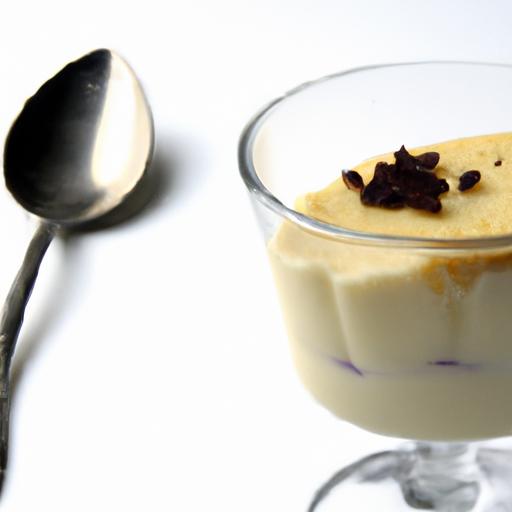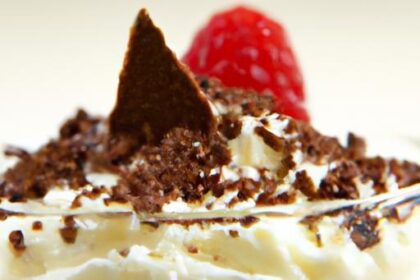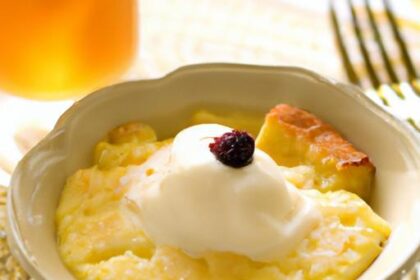

There’s something undeniably comforting about timeless recipes-a culinary echo from the past that continues to warm our hearts and kitchens today.Among these enduring classics, hasty pudding stands out not just for its simplicity but for its rich history and adaptability.Once a humble staple on early American tables, this creamy, corn-based dish has evolved through centuries, captivating taste buds and preserving cultural heritage along the way. In this article, we’ll explore the charm behind hasty pudding’s lasting appeal and guide you through classic recipes that invite you to experience a appetizing slice of history with every spoonful.
Hasty pudding carries a rich legacy woven into the fabric of early American and English kitchens, embodying comfort and simplicity in every spoonful. This humble dish, made from cornmeal or wheat flour, was a staple for settlers who cherished its nourishing qualities and ease of readiness. Exploring the origins and cultural importance of hasty pudding reveals not only its role as a survival food but also its transformation into a beloved classic that resonates with warmth and nostalgia. Its evolution mirrors culinary ingenuity, adapting to local ingredients while remaining true to its hearty roots.
Prep and Cook Time
- Preparation: 5 minutes
- Cooking: 25 minutes
- Total: 30 minutes
Yield
Serves 4 generous portions
Difficulty Level
Easy – perfect for both beginners and seasoned cooks seeking a cozy classic.
Essential ingredients and Traditional Preparation Techniques
- 1/2 cup yellow cornmeal, finely ground for smooth texture
- 2 cups whole milk, warmed to enhance creaminess
- 1/4 teaspoon salt, to balance the natural sweetness
- 3 tablespoons unsalted butter, for richness and silkiness
- 2 tablespoons maple syrup or honey, optional natural sweetener
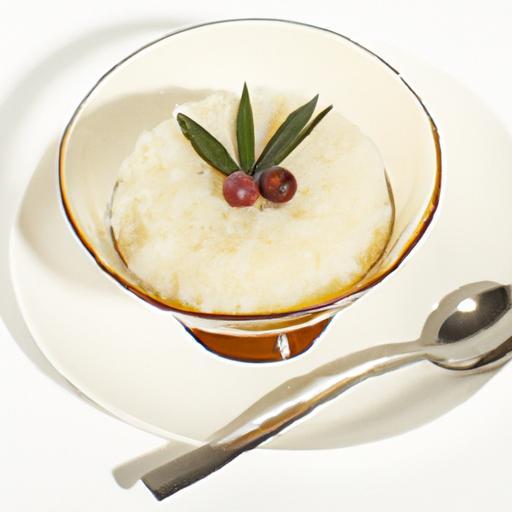
The foundation of perfect hasty pudding lies in a gently heated milk base, into which the cornmeal is gradually whisked to avoid lumps. Traditional preparation requires slow stirring over low heat, coaxing the mixture to thicken into a glossy, custard-like consistency. The incorporation of butter and a touch of sweetener accentuates the flavor without overpowering the dish’s subtle, comforting nature.
Instructions
- Warm the milk: Pour the whole milk into a medium saucepan and heat over medium until it is just simmering, stirring occasionally to prevent a skin from forming.
- Combine dry ingredients: In a separate bowl, mix the cornmeal and salt thoroughly to ensure even seasoning.
- Temper the cornmeal: Gradually whisk the cornmeal mixture into the simmering milk in a slow, steady stream, stirring constantly with a wooden spoon or whisk to prevent lumps from forming.
- Cook and stir: Reduce heat to low and continue stirring until the pudding thickens and coats the back of a spoon-about 20 minutes. This slow cooking is key to achieving that perfect creamy texture.
- Add butter and sweetener: Remove from heat and stir in the unsalted butter and maple syrup or honey until fully melted and incorporated.
- Rest and serve: Allow the pudding to rest for 5 minutes off the heat, which helps it set slightly without losing creaminess.
Tips for Achieving the Perfect Creamy Consistency
- Use finely ground cornmeal; coarse grinds can result in a gritty texture.
- Constant stirring is essential to avoid sticking and clumping – patience pays off!
- If your pudding is too thick, stir in a splash of warm milk just before serving to loosen it up.
- For a silky finish,pass the cooked pudding through a fine sieve before adding butter.
- Experiment with coconut milk as a dairy-free choice for a subtle tropical twist.
Creative Variations and Serving Suggestions to Elevate Your Dish
While classic hasty pudding shines on its own, it also serves as a versatile base for creative culinary flair. For a fruit-infused delight, fold in warm stewed apples or seasonal berries just before serving. Top with toasted nuts and a drizzle of rich cream for added texture and sophistication.
For those who adore spices,stirring in a pinch of ground cinnamon or nutmeg during cooking imparts a cozy aroma that elevates every bite. Alternatively, enhance the pudding’s flavor with a splash of pure vanilla extract.
Present your dish in quaint ramekins or rustic bowls, garnished with fresh mint leaves or a sprinkle of raw sugar crystals for visual contrast. pairing it alongside a fragrant herbal tea or a cup of robust black coffee creates a nostalgic experience reminiscent of simpler times.
| Nutrient | Amount per Serving |
|---|---|
| Calories | 210 kcal |
| Protein | 6 g |
| Carbohydrates | 30 g |
| Fat | 7 g |

For more about traditional grain-based dishes, explore our Hearty Cornmeal Breakfast recipes. To deepen your understanding of the cultural impact of staple foods, visit history.com’s Food Origins.
Q&A
Q&A: The Timeless Charm of Hasty Pudding: A Classic Recipe Guide
Q1: What exactly is hasty pudding, and why is it considered “timeless”?
A1: Hasty pudding is a simple, comforting dish with roots stretching back to early colonial America and even earlier English traditions. Traditionally made from ground cornmeal or wheat flour boiled with water or milk, it embodies simplicity and sustenance. Its timeless charm lies in its versatility and wholesome nature-born from humble ingredients yet endlessly adaptable across generations.
Q2: How did hasty pudding become such a beloved part of culinary history?
A2: Hasty pudding’s story is woven into the fabric of early American life, serving as a fast and nourishing meal during times when ingredients and firewood were scarce. Its ease of preparation and hearty character made it a staple for pioneers and families alike. Over time, it transcended necessity and earned a place on celebratory tables, symbolizing heritage and home.
Q3: What are the classic ingredients for making authentic hasty pudding?
A3: At its core, classic hasty pudding relies on ground cornmeal (often yellow or white), water or milk, a pinch of salt, and sometimes butter or sweeteners like molasses or maple syrup. The simplicity allows the natural sweetness of cornmeal to shine, inviting personal touches without overwhelming the dish’s roots.
Q4: Can hasty pudding be both savory and sweet?
A4: absolutely! This dish’s adaptability is part of its enduring appeal. For a sweet version, think honey, cinnamon, or fresh berries stirred in at the end.On the savory side, herbs, cheeses, or sautéed vegetables mix beautifully with the creamy base. This flexibility allows hasty pudding to suit any season or craving.
Q5: What’s the secret to achieving the perfect texture in hasty pudding?
A5: Patience is key. Slowly simmering the cornmeal mixture while stirring constantly prevents lumps and results in a smooth, creamy consistency. Using the right ratio of liquid to cornmeal-typically about 4 cups of liquid to 1 cup of cornmeal-ensures it’s neither too thick nor too runny.
Q6: Are there any traditional accompaniments or toppings that elevate hasty pudding?
A6: Indeed! A pat of butter melting on top brings richness, while a drizzle of warm maple syrup adds a subtle sweetness. Some like to crown it with fresh or stewed fruits, toasted nuts, or a sprinkle of cinnamon. These finishing touches enhance both flavor and presentation.
Q7: How can modern home cooks incorporate hasty pudding into their menus?
A7: Modern cooks can treat hasty pudding as a blank canvas-serving it as a cozy breakfast porridge, a comforting side dish at dinner, or even a foundation for inventive desserts. Its ease aligns well with busy lifestyles, and pairing it with seasonal ingredients bridges tradition and innovation effortlessly.
Q8: Are there gluten-free variations of hasty pudding?
A8: Yes! Since traditional hasty pudding often uses cornmeal, it is naturally gluten-free. This makes it a marvelous option for those seeking grain-based warmth without gluten. Just be sure to check labels and avoid cross-contamination when sourcing ingredients.Q9: How does hasty pudding reflect cultural connections beyond America?
A9: While hasty pudding is famously American, its origins trace back to English porridge-like dishes, connecting it to centuries of European peasant cooking traditions. The dish serves as a culinary bridge, reflecting migration, adaptation, and the blending of old-world techniques with new-world ingredients.
Q10: What’s one beginner-friendly tip for someone trying hasty pudding for the first time?
A10: Start with a small batch and keep stirring! Because cornmeal thickens quickly, occasional stirring is vital to prevent sticking or clumping. Also, don’t rush-allow enough time for the pudding to gently cook through for the best texture. With these basics, you’ll soon appreciate the cozy magic of hasty pudding!
To Wrap It Up
As we close the lid on our exploration of hasty pudding’s rich history and inviting flavors, it’s clear that this humble dish carries more than just simple ingredients-it carries stories, traditions, and a comforting warmth that transcends time. Whether stirred gently on a stovetop or shared around a family table,hasty pudding reminds us that some classics never lose their charm. So next time you crave a taste of culinary heritage, let this timeless recipe guide inspire you to embrace the creamy, nostalgic delight of hasty pudding-a true testament to the enduring magic of good, honest cooking.