
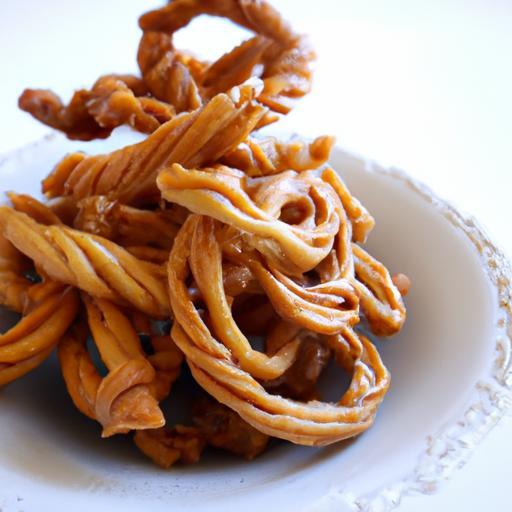
Nestled within the vibrant tapestry of Moroccan cuisine lies a culinary gem that marries tradition with irresistible sweetness-Chebakia. This intricate pastry, with its golden, twisted petals dusted generously in honey and sprinkled with sesame seeds, is far more than a dessert; it’s a celebration of heritage and artistry baked into every bite.Often reserved for festive occasions like Ramadan and Eid, Chebakia embodies the warmth of moroccan hospitality and the richness of its cultural history. Join us as we unravel the story behind these sweet, spiced twists, exploring how centuries-old recipes continue to delight palates while preserving a cherished legacy.
Chebakia is a shimmering jewel of Moroccan gastronomy, traditionally crafted and shared during festive celebrations such as Ramadan and Eid. This delicate, honey-soaked pastry tells a story of cultural heritage, symbolizing generosity and the sweet rewards of patience and family togetherness. Every twist and fold in the dough reflects centuries-old techniques passed from one generation to the next, evoking warm memories of bustling kitchens fragrant with the rich scents of anise, sesame, and orange blossom water.
Prep and Cook Time
- Planning: 40 minutes
- Cooking: 15 minutes
- Total Time: 55 minutes
Yield
Makes approximately 30 medium-sized chebakia
Difficulty Level
Medium: Involves shaping, frying, and honey dipping techniques that require care and precision
Ingredients
- 3 cups all-purpose flour, sifted
- 1/4 cup ground almonds
- 1 teaspoon ground cinnamon
- 1 teaspoon anise seeds, lightly crushed
- 1 tablespoon toasted sesame seeds (plus extra for garnish)
- 1/2 teaspoon baking powder
- 2 tablespoons unsalted butter, melted
- 3 tablespoons orange blossom water
- 1 teaspoon fine ground ginger
- 1/4 teaspoon saffron threads, ground (optional but authentic)
- 1/2 cup warm water (approximate, adjust as needed)
- vegetable oil for deep frying
- 1 1/2 cups honey
- 1 tablespoon lemon juice
- Additional toasted sesame seeds for finishing
Step by Step Guide to Crafting the Perfect Chebakia Dough
- Mix Dry Ingredients: In a large bowl, combine flour, ground almonds, cinnamon, crushed anise seeds, toasted sesame seeds, baking powder, ground ginger, and saffron. Stir thoroughly to blend all aromatics evenly, waking the spices’ flavors.
- Add Butter & Orange Blossom Water: Create a small well in the center and pour in the melted butter and orange blossom water. Start mixing gently with your fingers or a wooden spoon.
- Incorporate Water: Gradually add warm water a little at a time until the dough comes together.It should be soft but not sticky. Knead for 8-10 minutes on a lightly floured surface until smooth and elastic. The dough’s texture is key to the delicate folding later.
- Rest the Dough: Cover with a damp cloth and let it rest for at least 30 minutes. This allows gluten relaxation, aiding in shaping.
- Roll and Cut: Divide the dough into small balls (~1.5-inch diameter). on a lightly floured surface, roll each ball into a thin oval (about 3 mm thick). Using a sharp knife or chebakia mold cutter, cut 5 slits along the length of each oval without cutting all the way thru the ends.
- Shape the Chebakia: Starting from one end, twist small sections alternately, folding the dough into a rose-like shape. Press gently to seal. This traditional twist is the signature of chebakia, creating its iconic look.
- Heat Oil for Frying: warm vegetable oil in a deep heavy-bottomed pot to 350°F (175°C). Fry the chebakia in batches, turning often with a slotted spoon until golden brown and crisp, about 3-4 minutes per batch. Remove carefully and drain on paper towels.
- Prepare the Honey Syrup: In a saucepan, gently warm honey with lemon juice until thin but not boiling. Remove from heat.
- Dip and Garnish: Dip each fried chebakia in warm honey syrup, ensuring even coating. Place on a wire rack to let excess honey drip off. Sprinkle generously with toasted sesame seeds while still sticky.
- Cool and Store: Let cool fully before storing in an airtight container. They remain crisp and fragrant for several days.
Flavor Profiles and Aromatic Ingredients That Define Chebakia’s Unique Taste
The enchanting character of chebakia is shaped by its aromatic ingredients. Anise seeds lend a licorice-like hint that dances playfully on the palate. Orange blossom water imparts a fragrant floral sweetness, subtle yet unmistakable. The toasted sesame seeds add a nutty crunch, while ground cinnamon and ginger provide warming spice notes that balance the honey’s rich sweetness. The optional saffron threads not only enhance the color but infuse a delicate earthiness that elevates every bite to ceremonial heights. The layering of spices and floral essences makes each chebakia a complex mosaic of flavor.
Tips for Success
- Ensure the dough is elastic but not wet; add flour or water gradually to find the perfect texture for shaping.
- Resting the dough is crucial-it softens gluten and makes delicate folding easier.
- use a candy or deep-fry thermometer to maintain oil temperature for crisp, golden pastries without oily residue.
- Honey syrup should be warm but not boiling to allow even coating while preserving chebakia’s crispness.
- Make chebakia a day ahead-the flavors deepen, and the texture achieves perfect harmony.
- For a gluten-free twist, experiment with chickpea flour blends but expect a different texture.
Serving Suggestions and Pairings to Elevate Your Chebakia Experience
Chebakia shines best when paired with Moroccan mint tea, whose refreshing bite cuts through the honeyed sweetness, creating a balanced ritual of taste and tradition. Serve arranged on decorative platters dusted with extra sesame seeds and edible rose petals for a festive flair. For an elegant touch, accompany chebakia with small bowls of mixed nuts or dried figs to contrast textures. During celebrations, they are often enjoyed alongside Meska pastries, creating a diverse tableau of Moroccan sweets that impress and delight.
| Nutrient | Amount per Serving (1 piece) |
|---|---|
| Calories | 140 kcal |
| Protein | 2 g |
| Carbohydrates | 25 g |
| Fat | 4 g |

Discover more about the rich world of Moroccan sweets and spices through this national Geographic feature on Moroccan cuisine, an excellent resource to deepen your culinary exploration.
Q&A
Q&A: Chebakia – Morocco’s Sweet Twists of Tradition and Flavor
Q1: What is Chebakia and why is it so special in Moroccan culture?
A1: chebakia is a beautifully twisted, deep-fried Moroccan pastry, drenched in fragrant honey and sprinkled with sesame seeds. It’s more than just a dessert-it’s a symbol of celebration,hospitality,and tradition,especially during the holy month of Ramadan.Each intricate fold and golden hue tells a story of family gatherings, joy, and centuries-old culinary artistry.
Q2: How is Chebakia traditionally made?
A2: The magic of Chebakia starts with a dough enriched with flour, ground almonds, sesame seeds, anise, cinnamon, and orange blossom water. The dough is rolled thin, then carefully folded into a flower-like shape, resembling a delicate star or rose. After frying in hot oil until crisp and golden, the pastries are promptly soaked in warm honey infused with orange blossom or rose water. a generous sprinkle of toasted sesame seeds adds the perfect nutty crunch.
Q3: What flavors define Chebakia?
A3: chebakia’s flavor profile is a harmonious blend of sweet, floral, and warm spices. The honey provides deep sweetness,while orange blossom water lends a fragrant,citrusy aroma. Spices like cinnamon and anise introduce subtle warmth, and the sesame seeds offer a toasty finish. This combination makes chebakia delightfully complex and inviting.
Q4: Are ther regional variations of Chebakia within Morocco?
A4: Absolutely! While the core ingredients and method stay true to tradition, you’ll find slight variations depending on the region. Some families might add a hint of saffron or nutmeg, or use different proportions of orange blossom water. In some areas, Chebakia can be a bit thicker or shaped uniquely. Regardless of the tweaks,the essence remains-a celebration of Moroccan heritage and flavor.
Q5: When is chebakia typically enjoyed?
A5: Chebakia shines moast brightly during Ramadan, where it’s frequently enough served alongside harira soup to break the daily fast. Its rich sweetness replenishes energy and boosts spirits after long hours of fasting. Beyond Ramadan, it also graces special occasions and family celebrations, sharing happiness one twisted pastry at a time.
Q6: Can Chebakia be stored, and how should it be enjoyed for the best taste?
A6: Chebakia can be stored in an airtight container for several days, retaining much of its crispy texture and sweet aroma. Though, for the full sensory experience-crisp edges, warm honey glaze, and nutty sesame flavor-freshly made Chebakia is unparalleled. Enjoy it with a cup of sweet mint tea to truly savor Morocco’s timeless traditions.
Q7: Is making Chebakia at home challenging for beginners?
A7: Chebakia-making is a delightful challenge that rewards patience and practice. The dough’s intricate folding can be tricky at first, but tutorials and family recipes often emphasize that the joy is in the process and sharing the results. With a little guidance, anyone can master this artful treat-connecting with Morocco’s sweet heritage one fold at a time.
Q8: What does Chebakia represent beyond its ingredients and flavors?
A8: Beyond being a flavorful pastry, Chebakia embodies connection-between past and present, between families and communities. It’s a tactile expression of care, patience, and cultural pride. Each golden twist is a gesture of welcoming, an invitation to savor not just the taste, but the stories and traditions that have shaped Moroccan life for generations.
Concluding Remarks
As the final sugar crystals settle on each twist of chebakia, this beloved Moroccan sweet weaves together centuries of tradition, culture, and flavor into every bite. More than just a dessert, chebakia embodies the spirit of celebration, the artistry of craftsmanship, and the warmth of shared moments around the table. Whether enjoyed during Ramadan evenings or festive gatherings,its golden folds remind us that food is not only nourishment but a story – one of heritage,creativity,and the sweet ties that bind a community. In savoring chebakia, we taste Morocco’s soul, one delicate puff at a time.