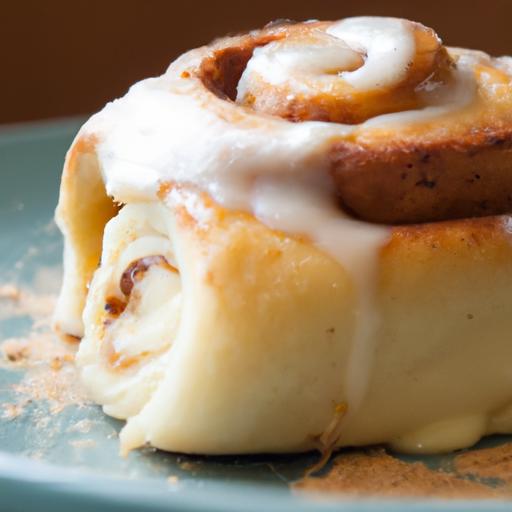

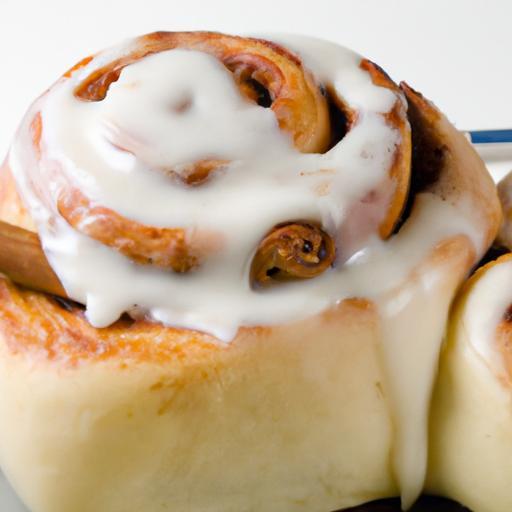
There’s something almost magical about biting into a cinnamon roll-its tender layers melting into a cloud of warm,sweet delight that feels both comforting and indulgent.But behind this beloved breakfast treat lies a captivating dance of science and artistry, where chemistry meets technique to create those irresistibly fluffy swirls. From the precise balance of ingredients to the alchemy of yeast fermentation and gluten growth, the journey to the perfect cinnamon roll is a masterclass in the sweet science of baking. Join us as we unroll the secrets behind achieving that soft, airy texture that transforms simple dough into a heavenly cinnamon-scented masterpiece.
The Sweet Science Behind Perfectly Fluffy Cinnamon Rolls
The Sweet Science Behind Perfectly Fluffy Cinnamon Rolls begins with understanding the subtle interplay of ingredients and technique that transforms simple dough into a tender cloud of sweet delight.This comforting pastry has roots tracing back to the Nordic countries but has won hearts worldwide for its warm cinnamon aroma and irresistibly soft texture. From my early days experimenting in a small kitchen to mastering bakery-level rolls, the secrets lie not just in the recipe but in the delicate art of flour selection, yeast activation, and perfect balancing of fats and sugars.
Prep and Cook Time
- Readiness: 30 minutes
- Rising Time: 1 hour 30 minutes (divided)
- Cooking Time: 20-25 minutes
- Total Time: Approximately 2 hours 25 minutes
Yield
Makes 12 generously sized cinnamon rolls, perfect for sharing or indulging over a couple of days.
Difficulty Level
Medium – Ideal for bakers ready to elevate their skills with yeast dough and precise timing.
Ingredients
- 3 ½ cups all-purpose flour, sifted (preferably unbleached for tenderness)
- 2 ¼ tsp active dry yeast (one packet)
- 1 cup whole milk, warmed to 110°F (43°C)
- ⅓ cup granulated sugar
- ⅓ cup unsalted butter, melted and slightly cooled
- 1 large egg, at room temperature
- ½ tsp salt
- ½ cup packed light brown sugar
- 2 tbsp ground cinnamon
- ¼ cup unsalted butter, softened (for filling)
- ¼ cup powdered sugar (optional glaze base)
- 1-2 tbsp milk or cream (for glaze)
Instructions
- Activate the yeast: In a small bowl, sprinkle the active dry yeast over the warmed milk.Add 1 teaspoon of the granulated sugar and gently stir.Let it sit for 5-7 minutes until it becomes frothy and bubbly, signaling a healthy yeast activation.
- Mix the dough wet ingredients: In a large mixing bowl, whisk together the melted butter, remaining sugar, egg, and salt. Slowly pour in the yeast mixture while stirring to combine evenly.
- Incorporate the flour: Gradually add the sifted all-purpose flour, mixing with a wooden spoon or dough hook attachment. The dough should become slightly sticky but pull away from the bowl sides. Adjust with additional flour if needed, one tablespoon at a time.
- Knead the dough: Turn the dough onto a floured surface and knead for about 8-10 minutes until smooth, elastic, and soft-not too dense. A tender dough is key for the desired fluffiness.
- First rise: Place the dough ball into a lightly greased bowl,cover it with a damp cloth or plastic wrap,and let it rise in a warm,draft-free spot for 1 to 1.5 hours until doubled in size.
- Roll and fill: Punch down the risen dough and roll it into a 16×12-inch rectangle on a floured surface. Spread the softened butter evenly, then sprinkle the brown sugar and cinnamon mixture across the surface. roll tightly from the long side to form a log.
- Cut the rolls: Using a sharp knife or dental floss, slice the log into 12 equal rolls. arrange them in a greased 9×13-inch baking pan, leaving a little space for the second rise.
- Second rise: Cover the pan and let the rolls rise again for 30-45 minutes, until puffy and nearly doubled.This step is crucial for that cloud-like softness.
- Bake: Preheat the oven to 350°F (175°C). Bake the cinnamon rolls for 20-25 minutes until golden brown but still moist inside. Watch closely to avoid over-baking, which dries them out.
- Optional glaze: Whisk powdered sugar and milk (or cream) until smooth and drizzle over warm rolls for an extra touch of sweetness and glossy finish.
Tips for Success
- Choose flour wisely: Opt for unbleached all-purpose flour or a blend with bread flour to achieve the perfect gluten balance that delivers structure without toughness.
- yeast activation: Water or milk that’s too hot can kill yeast; aim for warmth that feels like a warm bath (around 110°F/43°C).
- Butter and sugar balance: Use softened butter in the filling, but melted butter when combining with liquids for easy incorporation and tenderness in the dough.
- Make ahead: After cutting, cover the rolls tightly and refrigerate overnight. Bring to room temperature and allow a final rise before baking.
- Leftover magic: Warm leftovers in the microwave for 15 seconds before serving to restore softness.
Serving Suggestions
Serve freshly baked cinnamon rolls warm, ideally on a rustic wooden board or a pristine white platter to highlight their golden-brown perfection. Garnish with a light dusting of powdered sugar or a drizzle of cream cheese glaze infused with a hint of vanilla or orange zest for an aromatic twist. Pair with a steaming cup of chai tea or a velvety latte to complement the warm spices and buttery richness.

| Nutrient | Per Roll |
|---|---|
| Calories | 320 |
| Protein | 6g |
| Carbohydrates | 45g |
| Fat | 11g |
For a deeper dive into yeast baking essentials, check out our comprehensive guide to mastering yeast doughs. For further reading on yeast science, the encyclopedia Britannica yeast entry offers valuable insights.
Q&A
Q&A: The Sweet Science Behind Perfectly fluffy Cinnamon Rolls
Q1: What makes cinnamon rolls so irresistibly soft and fluffy?
A1: The secret lies in the delicate dance of yeast fermentation, gluten development, and moisture balance. As yeast consumes sugars, it releases carbon dioxide, creating tiny air bubbles that puff up the dough. Meanwhile,gluten-the protein network formed when flour meets water and is kneaded-acts like a stretchy web,trapping those bubbles and giving the roll its tender,airy crumb.
Q2: How does the choice of flour affect cinnamon roll texture?
A2: Flour isn’t just flour-it’s the foundation of fluffiness. High-protein bread flour forms stronger gluten strands, contributing to a chewier, more resilient crumb. In contrast, all-purpose flour offers a softer, slightly less elastic structure, which can yield a gentler bite. For perfectly fluffy rolls, many bakers blend flours to strike the ideal balance of strength and tenderness.
Q3: Why is kneading so crucial for cinnamon rolls?
A3: Kneading develops gluten, the unsung hero behind that cloud-like texture. This process aligns gluten proteins into a stretchy network, which traps the gas bubbles produced by yeast during fermentation. Without sufficient kneading, rolls can turn out dense or crumbly instead of pillow-soft. Think of kneading as coaxing the dough to become a fluffy balloon ready to rise and shine.
Q4: How does temperature influence the rise of cinnamon roll dough?
A4: Temperature controls yeast activity like a conductor directing an orchestra. Warmth encourages yeast to feast on sugars and release carbon dioxide,inflating the dough. too cold, and yeast slows to a sluggish crawl, yielding a dense roll; too hot, and yeast can perish, halting rise altogether. Ideal proofing temperatures (around 75-85°F / 24-29°C) strike the perfect harmony for a dreamy puff.
Q5: What role does fat play in fluffiness?
A5: fat-usually butter-coats flour particles, limiting gluten formation and softening the dough’s structure. This tenderizing effect prevents rolls from becoming tough, while also adding rich flavor. Butter also locks in moisture, contributing to moist, melt-in-your-mouth layers within each cinnamon spiral.
Q6: Can the size and shape of the rolls affect their fluffiness?
A6: Absolutely. Thick, tightly rolled spirals trap more air and moisture, creating a light interior with pronounced layers. If rolls are rolled too thin or spaced too far apart during baking, they may dry out or flatten. the classic swirl shape isn’t just aesthetic-it’s a science-backed design to maximize fluff and gooey cinnamon goodness.
Q7: How does the filling influence the texture of cinnamon rolls?
A7: The filling isn’t just a flavor bomb-it impacts moisture and softness. A cinnamon-sugar-butter mixture melts into the dough as it bakes, adding pockets of tender richness. Careful balance is key; too much filling can weigh down or sog the roll, while too little may leave it dry and bland.
Q8: What’s the importance of the final glaze or icing?
A8: That glossy, sweet crown on a cinnamon roll isn’t mere decoration-it seals in moisture and adds a luscious finish. Glazes made from cream cheese or powdered sugar meld with the warm roll, creating a tender top layer that enhances overall softness and indulgence.
Q9: Are there any tricks to revive day-old cinnamon rolls and keep them fluffy?
A9: To freshen up cinnamon rolls, a swift steam bath works wonders. Pop them into a warm oven covered loosely with foil or microwave briefly with a damp paper towel. This rehydrates the dough and softens any hardened crust, restoring their heavenly fluff for an encore bite.
Q10: How can home bakers harness this science to perfect their cinnamon rolls?
A10: Embrace patience and precision: use quality ingredients, monitor dough temperature, give yeast time to work, knead thoroughly but gently, and don’t rush proofing. Each step contributes a vital thread to the tapestry of fluff. With practice, these scientific principles elevate cinnamon rolls from simple treats to cloud-like masterpieces worthy of any breakfast table.
The Conclusion
As the aroma of golden, swirled cinnamon rolls wafts from your oven, you’re not just savoring a sweet treat-you’re experiencing the beautiful chemistry of flour, yeast, sugar, and time working in harmony. The perfect fluffiness is no accident; it’s a delicate dance of gluten development, precise proofing, and the tender embrace of butter and steam. By understanding the science behind every rise and fold, you elevate cinnamon rolls from a simple pastry to a masterpiece of culinary precision. So next time you bite into that soft, pillowy swirl, remember: you’re tasting the delicious result of nature’s sweetest science.