
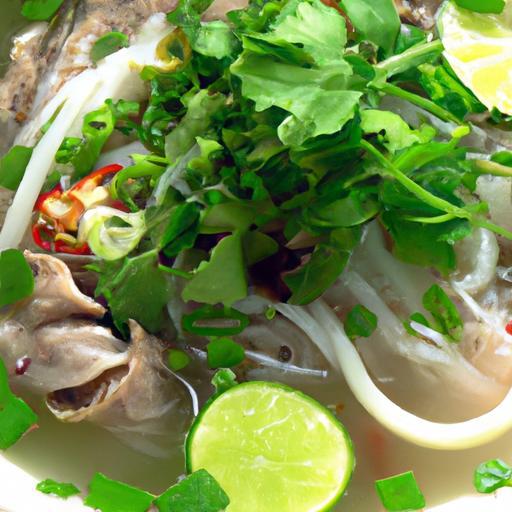
There’s something enchanting about pho-the fragrant, soul-warming Vietnamese noodle soup that has captured hearts worldwide. Yet, its conventional preparation, with simmering bones and delicate spices, often feels like a culinary marathon reserved for seasoned chefs. What if you could conjure that same rich, aromatic magic without the hours of patience or an arsenal of pots? welcome to the world of one-pot pho-a streamlined symphony of flavors that brings Vietnam’s beloved comfort food to your kitchen in mere minutes. In this article, we’ll explore how simplifying pho doesn’t mean sacrificing authenticity, but rather unlocking a new pathway to savoring its timeless essence with ease and elegance.
One-Pot Pho magic brings the vibrant soul of Vietnamese pho broth right to your kitchen with ease and elegance. This streamlined technique transforms hours of brewing into minutes without sacrificing its traditional aromatic depth. Infused with layers of fresh herbs, toasted spices, and clean, crisp bones, this rendition celebrates the heart of pho while honoring simplicity and accessibility. Whether you’re fueled by nostalgia or a culinary curiosity, this effortless rendition invites you to savor the essence of Vietnam’s beloved noodle soup in your own home.
Prep and Cook time
- Preparation: 15 minutes
- Cooking: 1 hour
- Total: 1 hour 15 minutes
Yield
Serves 4 generous bowls
Difficulty Level
Easy to Medium – Perfect for both beginners and seasoned cooks eager to master authentic flavor quickly
Ingredients
- 4 pounds beef bones (preferably marrow and knuckle bones), rinsed
- 1 large onion, halved and charred
- 1 4-inch piece fresh ginger, sliced and charred
- 5 star anise pods
- 4 whole cloves
- 1 cinnamon stick (3-inch piece)
- 2 cardamom pods, lightly crushed
- 1 tbsp coriander seeds
- 1 tbsp salt
- 2 tbsp fish sauce
- 2 tsp sugar (light brown or palm sugar preferred)
- 8 cups cold filtered water
- 8 oz rice noodles (bánh phở), prepared according to package instructions
- thinly sliced raw beef (sirloin or eye of round), optional
- Fresh herbs for garnish: Thai basil, cilantro, mint
- Bean sprouts, rinsed
- Lime wedges
- Thinly sliced green onions and white onion
- Sliced fresh chili or chili sauce (optional)
Instructions
- Char the aromatics: Using a gas stove or broiler, char the onion halves and ginger slices until blackened in spots, about 5-7 minutes, turning occasionally. This deepens the broth’s smoky flavor.
- Toast the whole spices: In a dry skillet over medium heat, toast star anise, cloves, cinnamon stick, cardamom pods, and coriander seeds just until fragrant, about 2-3 minutes.Be careful not to burn-this step releases the essential oils for layered warmth.
- Prepare the bones: Place beef bones in a large stockpot and cover with cold water. Bring to a rolling boil for 10 minutes to blanch, then drain and rinse bones under cold water. Clean the pot.
- Start the broth: Return the blanched bones to the pot. Add 8 cups of cold filtered water, charred onion, ginger, toasted spices, salt, fish sauce, and sugar.
- Simmer gently: Bring broth to a low simmer and maintain a gentle bubble for 45-60 minutes. Skim any impurities or foam every 15 minutes to keep broth crystal clear and flavorful.
- Strain the broth: using a fine mesh sieve or cheesecloth, strain broth into another pot or bowl, discarding solids.
- Prepare noodles and garnishes: Soak or cook rice noodles per package instructions and portion into serving bowls. Arrange fresh herbs, bean sprouts, lime wedges, chili slices, and sliced onions on a platter for guests or prep ahead.
- Build your bowl: Optional-add raw beef slices atop noodles. Ladle piping hot broth over; the heat instantly cooks the thin beef, resulting in deliciously tender bites.
- Garnish and serve: Top bowls with fresh herbs, onions, bean sprouts, and a squeeze of lime. Add chili or hoisin sauce as desired. Serve immediately for an unforgettable pho experience.
Tips and Tricks to Garnish and Serve Perfect Pho Every Time
- Balance fresh and cooked elements: Pho’s magic is in the contrast-herbs and lime bring brightness to the savory depth of broth and beef.
- Customize your spice level: Offer sliced chilies and Sriracha on the side for guests to tailor their heat.
- Use quality rice noodles: Fresh bánh phở noodles capture the authentic texture; though, dried works well if hydrated properly.
- Make broth ahead: The broth improves if made a day in advance and refrigerated. Remove hardened fat before reheating for a cleaner cup.
- Presentation: Use wide, shallow bowls that showcase noodles and garnishes visually. A final dusting of cracked white pepper or a few basil leaves lifts the aroma magnificently.
Mastering the Balance of Aromatics and Spices for Authentic Flavor
Achieving the perfect pho broth is an art of harmony and patience. The cornerstone is toasting and charring the aromatics and spices-transforming each into conduits of warm, smoky, and sweet notes.Too little and the broth feels flat; too much and it can overpower, masking the delicate beef essence.
Keep your spice quantities true to classic proportions and savor the gentle simmer to coax every nuance from the bones and seasonings.The subtle sweetness from caramelized onion and ginger balances the earthy spices like cinnamon and star anise, delivering that signature pho comfort in every slurp.
Selecting Fresh Ingredients to Elevate Your Quick Pho Experience
starting with the freshest beef bones is paramount-they should be meaty and marrow-filled to enrich the broth with natural gelatin and flavor. Choose vibrant, crisp herbs like Thai basil and cilantro-standards that lift each spoonful toward fragrant perfection.
When purchasing your raw beef slices, look for cuts that are firm, lean, and sliced as thinly as possible.This ensures the broth’s heat creates tender, melt-in-your-mouth morsels. Fresh lime and bean sprouts bring a zesty crunch and brightness that transform quick pho from a meal into a sensory celebration.
Chef’s Notes and Tips for Success
- Broth clarity: Always simmer, never boil vigorously. Stirring is discouraged as it cloudies the broth.
- Vegetarian alternative: Swap beef bones for a rich vegetable broth base with mushrooms, charred corn, and similar toasted spices (recipe linked in this vegetarian pho broth guide).
- Make-ahead tip: Prepare broth up to 3 days ahead and store in the fridge.Skim fat before reheating for a bright finish.
- Herbs soak: Add fresh herbs to boiling broth just before serving for maximum fragrance.
- Spice sachet: Tie toasted spices in a cheesecloth bag for easy removal and clearer broth.
Serving Suggestions
Serve your One-Pot Pho Magic alongside vibrant herb and veg platters for a fully interactive experience. encourage guests to customize bowls with fresh basil, mint, bean sprouts, and lime wedges. Pair with Vietnamese dipping sauces like hoisin or chili garlic sauce to deepen flavor complexity. Complement the meal with a side of crispy spring rolls or pickled daikon for texture contrast.
| Nutrient | Per Serving |
|---|---|
| Calories | 320 kcal |
| Protein | 28 g |
| Carbohydrates | 35 g |
| Fat | 7 g |

For more expert techniques on Vietnamese soups, explore our article on Vietnamese Beef Noodle Soup Fundamentals. Additionally, learn about the health benefits of spices used in pho on the Healthline star anise overview.
Q&A
Q&A: One-Pot pho Magic – Simplify Vietnamese Flavor in Minutes
Q1: What makes “One-Pot Pho” different from traditional pho recipes?
A: Traditional pho involves hours of simmering separate broths and multiple pots. The One-Pot pho method condenses these steps into a single pot, cutting down cooking time drastically without sacrificing that signature depth of flavor. It’s a streamlined version designed for busy cooks craving authentic Vietnamese vibes in a flash.
Q2: How can I achieve rich pho broth flavor quickly in one pot?
A: The secret lies in layering bold aromatics right at the start-think star anise, cinnamon sticks, cloves, ginger, and charred onions-combined with a fast simmer alongside lean beef bones or chicken. Using a pressure cooker or an instant pot turbocharges the infusion, unfolding those signature pho spices in a fraction of the traditional time.
Q3: Are there vegetarian or vegan-kind options for One-Pot Pho?
A: Absolutely! Swap out meat-based bones for a melody of mushrooms (shiitake works wonders), kombu seaweed, and dried shiitake broth.The magic spices remain the same, and with the right umami balance from soy sauce, miso, or tamari, you get a soulful bowl that’s plant-based but still fantastically pho-esque.
Q4: What fresh ingredients should I add just before serving?
A: Fresh herbs are the soul of pho. Load up with Thai basil, cilantro, mint, and scallions. Add thinly sliced white onions, fresh lime wedges for that citrus pop, and bean sprouts for crunch. Don’t forget sliced chili or jalapeño to dial up the heat if you like your pho with a kick!
Q5: Can one-pot pho be prepared ahead of time?
A: Yes! The broth actually deepens in flavor after resting overnight,making it perfect for meal prep. Simply strain and refrigerate the broth separately, then assemble fresh noodles and toppings when you’re ready to eat. It’s an easy way to enjoy the magic of pho, even on hectic days.
Q6: What noodle type pairs best with one-pot pho?
A: Traditional pho rice noodles are the classic choice-thin, flat, and silky. They soak up the broth beautifully but stay light and tender. Look for fresh or dried rice noodles labeled specifically for pho for the best experience.
Q7: How can I customize my one-pot pho to suit different tastes?
A: One-pot pho provides a versatile base ripe for personalization. Add cooked shredded chicken or thinly sliced beef brisket for protein. Vegetables like bok choy or baby spinach add color and nutrients. For a smoky twist, try a hint of roasted chili oil or a dash of hoisin sauce on the side.
Q8: What’s the biggest tip for beginners trying one-pot pho for the first time?
A: Don’t rush layering your aromatics-take a moment to char and toast your spices and aromatics right in the pot for that essential depth. Also, remember that simpler is frequently enough better: start with a clean broth and fresh herbs, then adjust seasoning as you go. Your taste buds will thank you!
With this one-pot wonder, the complex soul of Vietnamese pho unfurls effortlessly-proving that sometiems, less is truly more in the kitchen.
To Conclude
mastering the art of One-Pot Pho isn’t just about saving time-it’s about capturing the soul of Vietnamese cuisine in a single,fragrant pot. With just a handful of ingredients and a bit of patience, you can bring the rich, comforting layers of pho to your kitchen in minutes. So next time the craving for that iconic broth strikes, remember: simplicity and flavor aren’t mutually exclusive.Embrace the magic of one-pot pho, and let every spoonful transport you to the bustling streets of Vietnam, right from the comfort of your own home.