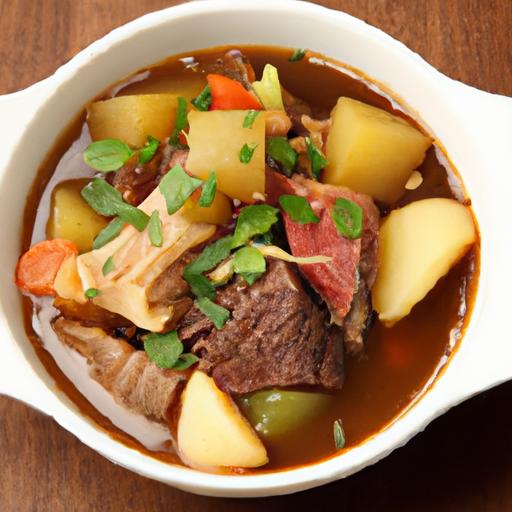


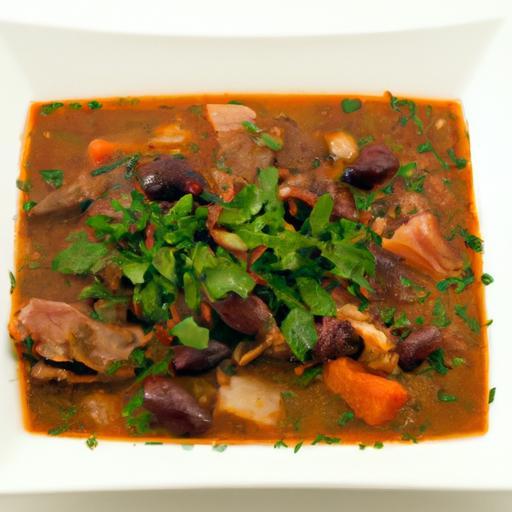
In the vibrant tapestry of Peruvian cuisine, Seco de Res stands out as a soulful celebration of tradition, flavour, and communal warmth. This hearty beef stew, rich with the earthy aroma of cilantro and the gentle kiss of spices, tells a story that transcends mere sustenance.More than just a meal, Seco de Res embodies the cultural crossroads of Peru-where indigenous roots meet Spanish influence, and vibrant local ingredients create a dish both comforting and captivating. Join us as we uncover the layers of history, technique, and taste behind this beloved stew, inviting you to savor a true taste of Peru’s culinary heart.
Seco de Res is a jewel in the crown of Peruvian cuisine, renowned for its deeply savory, herb-infused richness that comforts and excites with every tender bite. This hearty beef stew,simmered slowly to meld bright aromatics and earthy spices,tells the story of Peru’s vibrant culinary heritage shaped by indigenous roots and coastal influences. My first encounter with Seco de Res was at a bustling Lima market, where the intoxicating aroma of cilantro and ají verde promised a feast that would linger in my memory. This dish is not just a stew; its a celebration of bold flavors balanced perfectly with vibrant herbs, creating a soulful and irresistibly warming meal perfect for gathering around the table.
Prep and Cook time
- Readiness: 20 minutes
- Cooking: 2 hours 15 minutes
- total: 2 hours 35 minutes
Yield
Serves 6 generous portions
difficulty Level
Medium – perfect for cooks ready to explore customary Latin american flavors with rewarding techniques.
Essential Ingredients that Make Seco de Res Irresistible
- 3 lbs beef chuck roast, cut into 2-inch cubes, for meltingly tender meat
- 1 large white onion, finely chopped, forming the savory base
- 4 cloves garlic, minced, for aromatic depth
- 1 large bunch fresh cilantro, chopped (about 1 cup packed), the soul of the dish
- 2 large ají amarillo peppers, seeded and chopped (or 3 tablespoons ají amarillo paste), adding characteristic heat and color
- 2 tablespoons vegetable oil, for browning
- 1 cup beef broth, to build savory umami layers
- 1 cup chicha de jora or substitute with a mild beer or barley malt (optional), for traditional authenticity
- 2 medium carrots, peeled and chopped, adding subtle sweetness
- 1 large potato, peeled and cut into chunks, complementing the stew texture
- 1 teaspoon ground cumin, for a warm, earthy note
- 1 bay leaf, infusing gentle floral depth
- Salt and freshly ground black pepper, to taste
- Optional: fresh parsley for garnish and lime wedges for a zesty finish
Step by Step Guide to Crafting the Perfect seco de Res
- Prepare the cilantro and ají amarillo paste: In a food processor or blender, combine cilantro leaves, ají amarillo peppers, 1/2 cup beef broth, garlic, and cumin. Blend until a smooth green-yellow paste forms. This vibrant mixture is the heart of our stew.
- Brown the beef: Heat vegetable oil in a large dutch oven or heavy-bottomed pot over medium-high heat. Season the beef cubes liberally with salt and pepper. In batches, sear until deeply browned on all sides, about 3-4 minutes per batch. Remove and set aside. Browning develops rich flavors and texture.
- Sauté onions and build the stew base: Lower heat to medium. In the same pot, add the chopped onions. Sauté gently until translucent and soft, about 7 minutes. Stir occasionally to prevent browning, allowing natural sweetness to develop.
- Add the cilantro-ají paste: Stir the prepared paste into the softened onions.Cook for 5 minutes, stirring frequently to release aroma and slightly reduce the sauce.
- Deglaze and simmer: Pour in the remaining beef broth and chicha de jora (or substitute). Scrape the bottom of the pot releasing any flavorful bits. Return the browned beef to the pot,toss carrots and bay leaf,then bring to a simmer.
- Slow cook: Cover and reduce heat to low. Let it cook gently for about 2 hours, stirring occasionally. The beef should become fork-tender, soaking up the layers of cilantro and spice.
- Add potatoes: In the last 30 minutes, add potatoes to the pot, letting them cook until tender but not mushy, balancing the stew’s texture.
- Final seasoning and rest: Taste and adjust salt and pepper. Remove the bay leaf before serving. Let the stew rest off the heat for 10 minutes to allow flavors to meld beautifully.
Tips for Success
- Choose the right cut: Beef chuck roast is ideal; its marbling breaks down during slow cooking, creating tender, juicy meat.
- Control heat of ají amarillo: Adjust amount based on your tolerance for spice; roasting the peppers beforehand softens their bite.
- Make ahead: Seco de Res tastes even better the next day. Prepare in advance and refrigerate; gently reheat on low.
- Vegetarian twist: Replace beef with king oyster mushrooms, maintaining the same cooking approach for a hearty plant-based version.
- Choice thickening: If you prefer a thicker stew, mash a few potatoes into the broth at the end or add a teaspoon of cornstarch slurry.
Pairing and serving Suggestions for an Authentic Peruvian Experience
Serve your Seco de Res steaming hot atop fluffy white rice-its perfect canvas for soaking up the luscious cilantro-infused broth. Accompany this with a traditional ají de gallina salad of fresh tomatoes, onions, and black olives to bring brightness and texture contrast. Garnish with fresh parsley or extra cilantro sprigs, and add lime wedges for guests to squeeze over the stew, cutting through the richness with a citrusy spark. For extra authenticity, pair this meal with a cold Inca Kola or a frosty glass of chicha morada, the purple corn drink sweetened with cinnamon and cloves.

Nutritional Data per Serving
| Calories | Protein | Carbs | Fat |
|---|---|---|---|
| 420 kcal | 38 g | 22 g | 15 g |
For a deeper dive into traditional Peruvian stews and regional ingredients, visit the peruvian Cuisine Foundation.
Q&A
Q&A: Seco de Res – Peru’s Hearty Beef Stew uncovered
Q1: What is Seco de Res?
A1: Seco de Res is a traditional Peruvian beef stew celebrated for its rich, comforting flavors and tender meat.The dish is a staple in Peruvian home cooking, known for combining earthy spices, fresh herbs, and regional ingredients that come together in a slow-cooked, succulent stew.
Q2: Where does the name “Seco de Res” come from?
A2: The name translates roughly to “dry beef,” though the dish is anything but dry. This may refer to the traditional cooking method where the stew reduces to a thick, flavorful sauce rather than being overly soupy. It’s a linguistic nod to the dish’s hearty consistency.
Q3: What are the key ingredients that make Seco de Res unique?
A3: The magic lies in marinated beef chunks simmered with coriander, garlic, cumin, and ají amarillo-a yellow chili pepper that imparts a gentle heat and vibrant color. Onions, tomatoes, and cilantro enrich the stew with freshness and depth, making each bite a harmony of earthy and bright flavors.
Q4: How is Seco de Res traditionally prepared?
A4: Typically, beef is browned to lock in juices, then sautéed with onions and garlic before adding spices and peppers. It’s slow-cooked with broth or water until the meat is tender and the sauce thickens. The prolonged simmering melds flavors perfectly, creating a stew that’s both hearty and aromatic.
Q5: Are there typical side dishes served with seco de Res?
A5: Yes! Seco de Res is frequently enough accompanied by white rice and sometimes beans or steamed corn on the cob. The rice absorbs the rich sauce, enhancing the dining experience and balancing the robust flavors of the stew.
Q6: Can Seco de Res be customized for different tastes?
A6: Absolutely. while the core ingredients remain true to tradition, some cooks add peas, carrots, or potatoes to the stew for added texture and nutrition. The heat level can also be adjusted by varying the amount of ají amarillo or adding other mild peppers,making the dish adaptable yet authentic.
Q7: What makes Seco de Res a cultural icon in Peru?
A7: Beyond its flavors, Seco de Res embodies Peruvian hospitality and family tradition. It’s a dish often cooked for gatherings, symbolizing warmth and sharing. Its roots trace back to indigenous and mestizo culinary influences, telling a rich story through every simmering pot.
Q8: How can someone outside Peru best enjoy or recreate Seco de Res?
A8: To capture the essence of Seco de Res, seek out quality beef cuts and authentic Peruvian ingredients like ají amarillo paste or powder, which can often be found in Latin markets or online. Patience is key-slow cooking allows flavors to deepen. Pair it with a simple side of rice to soak up the luscious sauce, and you’ll have a taste of Peru’s hearty soul right at home.
In Summary
As the rich aromas of seco de Res linger in the air and the tender beef melts effortlessly with each bite, it becomes clear that this Peruvian stew is more than just a dish-it is indeed a flavorful journey through the contry’s vibrant culture and history. From its roots in Andean traditions to the fusion of indigenous and Spanish influences, Seco de Res embodies Peru’s culinary spirit: hearty, comforting, and wonderfully complex. whether you’re a seasoned foodie or a curious traveler, uncovering the secrets of this beloved beef stew offers a appetizing invitation to experience Peru’s warmth and hospitality, one savory spoonful at a time.