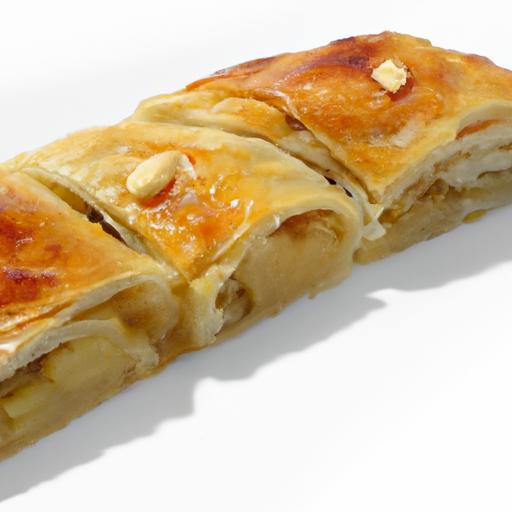

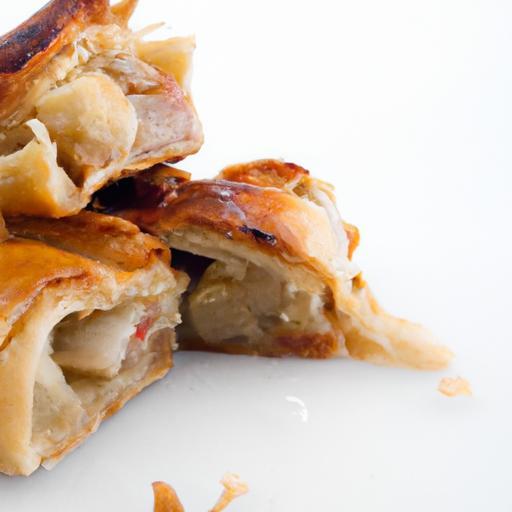
Tiropita Unwrapped : In the sun-drenched kitchens of Greece, where tradition meets taste, one pastry has steadfastly claimed its place as a beloved culinary treasure: tiropita. Imagine layers of delicate, flaky phyllo dough enveloping a luscious blend of tangy cheeses, each bite delivering a perfect harmony of crispness and creaminess. More than just a snack, tiropita is a flavorful journey that tells the story of Greek heritage, family gatherings, and the art of simple yet exquisite cooking. In this article, we unwrap the secrets behind Greece’s savory cheese pastry delight-exploring its origins, variations, and the irresistible charm that continues to captivate taste buds around the world.
tiropita is a cherished treasure within Greek culinary heritage, capturing the heart and soul of savory pastry in every flaky layer. This iconic cheese-filled delight celebrates traditions that have been passed down through generations, offering an irresistible harmony of crisp phyllo dough and creamy cheese. Whether enjoyed as a snack or part of a festive meal, mastering Tiropita offers a delicious journey into the essence of Greek home cooking.
Prep and Cook Time
- Preparation: 30 minutes
- Cooking: 40 minutes
- Total Time: 1 hour 10 minutes
Yield
makes approximately 12 savory triangles, enough to serve 4-6 people as an appetizer or light meal.
Difficulty Level
Intermediate: Requires finesse with phyllo dough and layering, but straightforward for any passionate home cook aiming to impress.
Ingredients
- 1 package (16 oz) phyllo dough,thawed according to package instructions
- 2 cups crumbled feta cheese (preferably Greek PDO feta for authentic flavor)
- 1 cup ricotta cheese,full-fat for a creamy texture
- 1/2 cup grated kefalotyri or parmesan cheese
- 3 large eggs,beaten
- 1/4 cup fresh parsley,finely chopped
- 1/4 cup fresh dill,finely chopped (optional,for aromatic depth)
- 1/2 teaspoon freshly ground black pepper
- 1/2 teaspoon salt (adjust according to feta saltiness)
- 1 cup unsalted butter,melted (for brushing phyllo layers)
Instructions
- Prepare the filling: In a large bowl,combine crumbled feta,ricotta,grated kefalotyri,beaten eggs,parsley,dill,salt,and pepper. Mix gently until uniformly blended. This mixture shoudl be creamy but firm enough to hold shape when scooped.
- Preheat your oven: Set to 350°F (175°C) and prepare a baking sheet lined with parchment paper.
- Handle the phyllo dough carefully: Unroll and cover with a damp towel to prevent drying out. Work swiftly but gently during assembly.
- layer the pastry: Brush a large baking dish or work area lightly with melted butter. Place one sheet of phyllo dough and brush it generously with butter. Repeat this process layering 4-5 sheets, ensuring each is well brushed to create the signature flakiness.
- Add the filling: Spread the cheese mixture evenly across the layered phyllo, leaving a 1-inch border on edges.
- Fold and finish layering: Fold the edges over the filling, than layer another 4-5 sheets of buttered phyllo on top, brushing each layer with butter.
- Cut into portions: Using a sharp knife, cut the assembled tiropita into triangles or squares before baking to ensure even cooking and easy serving.
- Bake until golden: Place in the oven and bake for 35-40 minutes, or until the top layers turn a deep golden brown and crisp.Rotate halfway through for even browning.
- Cool slightly and serve: Let the tiropita rest for 10 minutes before serving, allowing the filling to set and making it easier to handle.
Tips for Success
- Keep phyllo moist: Cover all unused sheets with a damp cloth to prevent cracking or drying as you work.
- Butter generously: Don’t skimp on the butter between phyllo layers-this is key to achieving a beautifully crisp and golden finish.
- Cheese blending: Mixing feta with ricotta softens the tang and creates a creamy texture; kefalotyri adds a subtle salty punch enhancing complexity.
- Make ahead: Tiropita freezes well either pre-baked or baked. Freeze pre-baked portions covered, then bake directly from frozen adding a few extra minutes to baking time.
- Customize herbs: swap dill for mint or oregano for personal twists without losing authenticity.
Serving Suggestions and pairings to Elevate Your Tiropita Experience
Tiropita shines radiant as a versatile dish, perfect at breakfast, as an appetizer, or alongside a vibrant salad for lunch. To elevate your plate, serve with tangy Greek yogurt drizzled with honey or a refreshing tzatziki sauce to contrast the savory richness. A simple side of spanakopita complements the cheese-filled pastry, adding a delightful spinach counterpart.
Pair with a crisp cucumber and tomato salad seasoned with lemon and oregano to balance the richness. For a refreshing beverage accompaniment, opt for chilled sparkling water with fresh mint or a non-alcoholic pomegranate spritz for a fruity zest.
Garnish with sprigs of fresh dill or parsley, and a light dusting of sumac for vibrant color and subtle tartness. Serving on rustic wooden boards or classic Greek earthenware enhances the experience visually and culturally.
| Nutrient | Per Serving (1 Triangle) |
|---|---|
| Calories | 230 kcal |
| Protein | 8 g |
| Carbohydrates | 15 g |
| Fat | 16 g |

For a deeper understanding of traditional Greek cheeses, visit the greek Gastronomy Guide on Cheeses.
Q&A
Q&A: Tiropita Unwrapped – greece’s Savory Cheese Pastry Delight
Q1: What exactly is tiropita?
A1: Tiropita is a beloved Greek savory pastry made of crisp,flaky layers of phyllo dough enveloping a rich,tangy cheese filling. It’s a culinary treasure that beautifully balances textures-delicate crunch meets creamy,cheesy goodness.
Q2: What cheeses are traditionally used in tiropita?
A2: The classic filling frequently enough features feta cheese, known for its salty, tangy punch, combined with mild cheeses such as ricotta or local Greek mizithra. This blend creates a luscious,savory flavor that’s both comforting and vibrant.
Q3: How is tiropita typically prepared?
A3: Preparation begins with brushing thin sheets of phyllo dough generously with melted butter or olive oil. The cheese mixture is then layered between these sheets before folding or rolling the dough into triangles, squares, or spirals. After baking, the result is a golden, crisp exterior wrapping a warm, gooey filling.
Q4: Are there variations of tiropita across Greece?
A4: Absolutely! While the core concept remains the same, some regions add fresh herbs like dill or parsley for added fragrance and depth. Others might incorporate eggs into the cheese mixture to enrich the texture. Shapes and sizes vary from handheld triangles to larger pie forms meant for sharing.
Q5: When is the best time to enjoy tiropita?
A5: Tiropita is wonderfully versatile-perfect as a breakfast treat, a midday snack, or a satisfying appetizer at any gathering. Its portability and warmth make it a staple at picnics, family celebrations, or casual street food stalls.
Q6: Can tiropita be made vegetarian?
A6: Yes! Tiropita is inherently vegetarian, focusing on cheese and herbs without the need for meat. It’s a fantastic option for anyone seeking a flavorful, meat-free pastry that still delivers plenty of savory satisfaction.
Q7: How does tiropita differ from other Greek pastries?
A7: Unlike sweet Greek pastries such as baklava, tiropita is resolutely savory. Its hallmark is the rich cheese filling contrasted with the lightness of phyllo. While spanakopita incorporates spinach with cheese, tiropita celebrates cheese as the star ingredient, making it a distinct and cherished classic.
Q8: Can homemade tiropita capture the same magic as those found in Greek bakeries?
A8: With patience and quality ingredients, absolutely! The key lies in handling the phyllo delicately to maintain its crispness, using fresh cheeses, and baking until perfectly golden. Homemade tiropita offers the rewarding experience of connecting with a centuries-old tradition right in your own kitchen.
Q9: What drink pairings complement tiropita if avoiding wine?
A9: To honor the flavors of tiropita without wine, try pairing it with refreshing options like iced herbal teas (mint or chamomile), sparkling water with a splash of lemon, or a chilled Greek mountain tea. These beverages balance the richness of the cheese pastry beautifully.
Q10: What makes tiropita an enduring symbol of Greek culinary culture?
A10: Tiropita embodies Greece’s love for simple, quality ingredients transformed by skill and tradition. It’s a testament to the Mediterranean fondness for cheese, olive oil, and fresh herbs, wrapped in delicate phyllo artistry-a savory delight that connects generations through every crispy, flavorful bite.
The way Forward
Whether enjoyed piping hot from a bustling street vendor or savored slowly in a sunlit taverna overlooking the aegean, tiropita remains a timeless emblem of Greek culinary artistry. This golden, flaky pastry-crisp yet tender, rich yet balanced-unfolds not just layers of phyllo dough, but centuries of tradition, culture, and communal joy. As you unwrap each bite, you’re not merely tasting cheese and herbs; you’re partaking in a story passed down through generations, a savory celebration that continues to captivate palates far beyond Greece’s shores. So next time you encounter tiropita, embrace its warmth and history-and let this humble cheese pastry whisk you away on a delicious journey through the heart of Greece.