




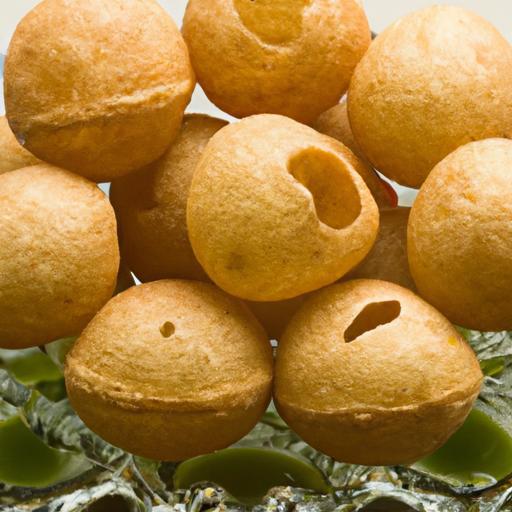
In the bustling streets of India, amid the vibrant chaos and colorful crowds, one culinary marvel reigns supreme-the beloved pani puri. This tiny, crispy, hollow sphere, bursting with tangy tamarind water, spicy chutneys, and a medley of flavorful fillings, has captured the hearts and taste buds of millions. More than just a snack,pani puri is a sensory adventure,weaving together history,culture,and regional twists into every crunch. Join us as we unravel the story behind India’s tangy street snack sensation and discover why pani puri continues to dazzle palates both at roadside stalls and beyond.
Pani Puri is an irresistible emblem of Indian street food culture,weaving together bold,tangy,and spicy flavors in one crunchy bite. This sensational snack traces its roots back centuries, cherished across generations for its playful explosion of taste and texture. From the bustling lanes of Mumbai to the vibrant markets of Kolkata, pani puri has evolved into a canvas of regional creativity, each version telling a unique culinary story.
Prep and Cook Time
- Planning: 45 minutes (including dough resting and preparing fillings)
- Cooking: 20 minutes (frying puris and simmering flavored water)
- Total time: 1 hour 5 minutes
Yield
Serves 6-8 enthusiastic pani puri lovers
Difficulty Level
Medium - requires attention to dough consistency and flavor balance
Ingredients
-
- For the Puri:
- 1 cup semolina (sooji), fine
- 2 tablespoons all-purpose flour, sifted
- 1/4 teaspoon baking soda
- Water, as needed (about 1/4 cup)
- Oil, for deep frying
- For the Pani (Flavored Water):
- 1 cup fresh coriander leaves, packed
- 1/2 cup fresh mint leaves
- 2 green chilies (adjust to taste)
- 1-inch piece of ginger
- 1 teaspoon roasted cumin powder
- 1 teaspoon black salt
- 1 teaspoon chaat masala
- 2 tablespoons tamarind pulp
- 4 cups cold water
- juice of 1 lemon
- For the Filling:
- 1 cup boiled and mashed white peas or boiled yellow moong dal
- 1 medium potato, boiled, peeled, and finely chopped
- 1 teaspoon chaat masala
- Salt, to taste
- 1/2 teaspoon red chili powder
- Fresh coriander leaves, finely chopped (optional)
- For the Puri:
Instructions
-
-
- make the puri dough: In a bowl, combine semolina, all-purpose flour, and baking soda. Gradually add water to form a stiff, smooth dough. Knead for 7-8 minutes until elastic. Cover with a damp cloth and rest for 30 minutes.
- prepare the pani: In a blender, add coriander, mint, green chilies, ginger, roasted cumin powder, black salt, chaat masala, and tamarind pulp. blend until smooth, adding water gradually. Strain through a fine sieve into a large bowl, add remaining cold water and lemon juice. Chill well.
- Prepare the filling: Mix mashed peas, chopped potato, chaat masala, salt, red chili powder, and coriander leaves until evenly combined.
- Roll and cut puris: Divide dough into golf-ball sized portions. Roll each portion into a thin circle,about 3 inches in diameter. Use a round cutter to make uniform puris.
- Fry puris: Heat oil in a deep pan over medium-high heat. Fry puris until they puff up and turn golden brown, about 1-2 minutes per batch. Remove with a slotted spoon and drain on paper towels.Let cool fully to crisp.
- Assemble pani puri: Gently crack a small hole on the top of each puri. Stuff with 1 teaspoon of filling. Dip or pour the chilled pani over each puri and eat immediately to enjoy the burst of flavors and textures.
-
tips for Success
-
-
- Perfect puri puff: Ensure the oil is hot enough (about 360°F/180°C) before frying. Test by dropping a small dough ball-if it rises quickly, oil is ready.
- Crunch factor: Roll puris thin but sturdy; too thin and they won’t hold water, too thick and they lose the delicate crunch.
- Flavored water variations: Experiment with adding jaggery for subtle sweetness or kala namak for intensified tang.
- Make ahead: Prepare the pani and filling a day prior for deeper flavors. Store puris in an airtight container to maintain crispness.
- Substitution tip: Use whole wheat flour for a nuttier puri or add a pinch of semolina for extra crispness.
-
Serving Suggestions
Serve the pani puri on a large,colorful platter with small bowls of extra cilantro-mint pani and sweet tamarind chutney for drizzling. Garnish with finely chopped onions, sev, and fresh coriander for an authentic Mumbai touch. Pair with chilled buttermilk for a refreshing contrast after the tangy punch.

| Nutrient | Per Serving (6 puris) |
|---|---|
| Calories | 180 kcal |
| Protein | 5 g |
| Carbohydrates | 30 g |
| Fat | 4 g |
Exploring Regional Twists
Across India,pani puri embraces myriad forms-golgappa in Delhi bursts with spiced potato filling and pungent imli (tamarind) water,while Bengal’s version leans sweeter with jaggery-infused tamarind pani. Maharashtra’s street vendors often add boondi or sprouts for crunch and nutrition. Each variant plays with balance, reflecting local palates and available ingredients.
For those keen on diving deeper, check out our top chaat recipes for inspiration and explore more about tangy Indian flavors on Indian Food Forever. This resource shines spotlight on the rich tapestry of India’s snack cuisine,perfect for expanding your culinary repertoire.
Q&A
Q&A: Pani Puri – India’s Tangy Street Snack Sensation Unpacked
Q1: what exactly is Pani Puri?
A: Pani Puri is a beloved Indian street snack that’s as playful as it is indeed flavorful. Imagine tiny, crisp hollow spheres (called puris) filled with a zingy, spicy water (pani), mashed potatoes or chickpeas, and a burst of tangy chutneys. It’s a bite-sized explosion of sweet, sour, spicy, and tangy sensations-a riot of taste in every pop!
Q2: Where did Pani Puri originate, and how did it become so popular?
A: Pani Puri is believed to have originated in the Indian subcontinent, with roots tracing back to the northern and western regions such as Uttar Pradesh and Maharashtra. Street vendors perfected the art of delivering this snack with diverse regional twists, spreading its fame far and wide. Its irresistible mix of crispy textures and bold flavors quickly captured the hearts (and taste buds) of millions across India and beyond.
Q3: What are the main components of Pani Puri?
A: The snack is composed of four main elements:
-
-
- Puris: hollow, crisp fried dough balls that act as edible vessels.
- Pani: Flavored water that’s typically spicy,tangy,and sometimes sweet,infused with tamarind,mint,lemon,and chaat masala.
- filling: A mash frequently enough made of boiled potatoes, chickpeas, sprouts, or moong dal.
- Chutneys: Sweet and tangy tamarind chutney or spicy green chutney to elevate every bite with contrasting flavors.
-
Q4: What makes the Pani so special?
A: The magic of pani lies in its balance-refreshing mint and coriander meet the tartness of tamarind and lemon, while a dash of spices like black salt and cumin add earthy depth. The contrast between the fiery kick and cooling herbs makes each sip an exciting and refreshing adventure for the palate.
Q5: Are there regional variations of Pani Puri?
A: absolutely! In some parts of India, Pani Puri is called Golgappa or Phuchka, each with unique twists. For example, in Bengal, Phuchka tends to be spicier with a tamarind-based chutney, while in maharashtra, sweet jaggery-infused water adds a different dimension. The filling and pani recipes shift deliciously with every region,reflecting local tastes and traditions.
Q6: Can Pani Puri be enjoyed by people with dietary restrictions?
A: Yes! Pani Puri is naturally vegetarian, and many versions are vegan-friendly as well. It’s gluten-rich due to the puris, so those avoiding gluten might want to proceed with caution or look for gluten-free adaptations. The simplicity of ingredients also means it can be easily customized to suit milder spice preferences or additional ingredients like sprouts or boiled moong beans for extra nutrition.
Q7: What makes Pani Puri such a social snack?
A: Beyond its taste, Pani Puri is a shared experience-friends and families often gather around street stalls or home setups, stuffing their puris and challenging each other on how many they can eat in one sitting. the messy, hands-on approach fosters fun and laughter, making it not just a snack but a delightful occasion.
Q8: How can one recreate authentic Pani Puri at home?
A: Start by sourcing or making crisp puris (which can take some practice!). Prepare the pani by blending fresh mint, coriander, green chilies, tamarind, lemon juice, and spices into a tangy, spicy water. Boil and mash potatoes or soak chickpeas for the filling. Assemble immediately before eating to preserve the crispiness. The joy lies in customizing the spice levels and flavor balance to your liking!
Q9: Why has Pani Puri stood the test of time?
A: Pani Puri is a sensory delight that appeals to our love of texture, spice, and surprise. Its versatility allows endless innovation while staying rooted in tradition. This snack captures the essence of India’s vibrant street food scene-a celebration of flavor, community, and joy-in a single, crunchy bite.
Q10: Is Pani Puri popular outside India?
A: Yes! Thanks to the Indian diaspora and the global curiosity for vibrant street foods, Pani Puri has found fans worldwide-from bustling markets in London to trendy eateries in New York. People everywhere are warmed by the idea of a snack that’s both nostalgic and adventurous, tangy and playful. it’s a tiny globe-trotter in the realm of taste.
Closing Remarks
As the final burst of tangy tamarind water and spicy sev fades from your palate, the story of Pani Puri lingers-more than just a snack, it’s a vibrant celebration of India’s street food culture. Each crisp puri filled with zingy flavors tells a tale of tradition, regional twists, and the joy of communal eating. Whether savored on bustling city streets or recreated in your own kitchen, Pani Puri remains a timeless delight that continues to unite food lovers in a shared experience of zest, texture, and pure culinary magic. So next time you pop a puri, remember-you’re tasting a little piece of India’s spirited soul, one tangy bite at a time.