
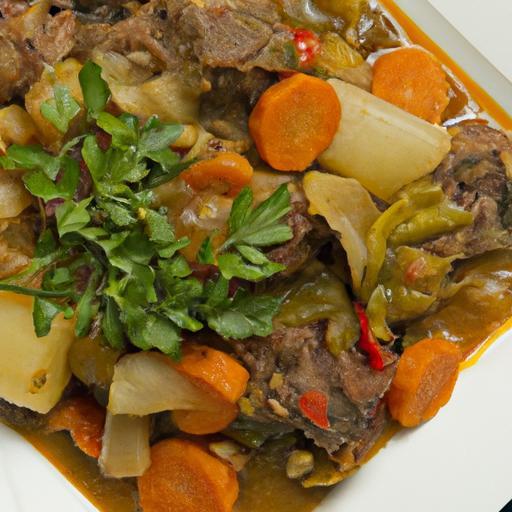
In the rich tapestry of global cuisine, few dishes carry the depth of history and cultural identity quite like Seco de Chivo. This hearty goat stew,beloved across various Latin American regions,is more than just a meal-it’s a flavorful journey that invites you to explore centuries-old traditions simmering in every tender bite. From its vibrant spices to the slow-cooked tenderness of goat meat, Seco de Chivo embodies the spirit of communal gatherings and ancestral recipes passed down through generations. Join us as we delve into the origins, ingredients, and culinary techniques behind this iconic stew, uncovering the mouthwatering story that makes Seco de Chivo a treasured symbol of heritage and hospitality.
Origins and Cultural Significance of Seco de Chivo
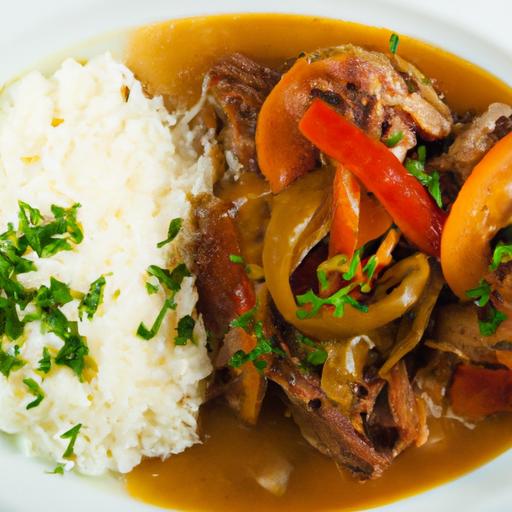
Seco de Chivo stands as a flavorful emblem of rich Andean culinary heritage, celebrated especially in Ecuador and Peru. This hearty goat stew embodies centuries of tradition, reflecting the agricultural rhythms and communal spirit of mountain and coastal regions alike. rooted in indigenous practices and Spanish influences, seco de chivo was frequently enough prepared for festive occasions, symbolizing abundance and generosity. The slow-cooked tender goat, infused with vibrant herbs and tangy chicha or citrus marinades, invites families to gather and savor deep-rooted flavors that transcend time.
Key Ingredients and Authentic Preparation Techniques
Creating an authentic seco de chivo calls for a careful balance of robust ingredients that honor its cultural essence. Central to the dish is goat meat, ideally with bone-in cuts for richer flavour. The marinade typically features cilantro,ají amarillo or local chili peppers,garlic,and a tangy acidity derived from naranjilla juice,sour oranges,or lime. The slow braise unlocks the meat’s character while absorbing the aromatic spices, including cumin, cloves, and bay leaves. Traditional methods emphasize marinating for hours or overnight-this step tenderizes and deepens the flavor, something modern home cooks should not skip.
Exploring Regional Variations and Flavor Profiles
While seco de chivo is beloved across the Andes, nuances emerge from each locality. In Ecuador’s Manabí province, the addition of green peas and potatoes adds earthiness, while the coastal versions might incorporate fresh herbs like culantro and enliven the sauce with achiote oil. Peruvian variants often introduce peruvian yellow pepper paste or substitute naranjilla with chicha de jora for a subtle sweetness and fermented depth.The spice heat level varies, allowing cooks to tailor the stew from gently aromatic to vibrant and fiery, creating a canvas for personal and local tastes.
Tips for Perfecting Your Own Seco de Chivo at Home
If you’re eager to master seco de chivo,start with quality fresh goat meat-lean but richly marbled cuts will yield the most tender results. Marinate extensively,at least 6 hours,preferably overnight,to saturate the meat with luminous citrus and herbaceous flavors.When browning the meat, don’t rush; a deep caramelization creates a savory base for the stew.Maintain a gentle simmer during the braise to keep the meat succulent. for authentic texture, add vegetables midway, so they don’t overcook. garnish with fresh cilantro and serve with steamed white rice or fluffy plantains to balance the stew’s hearty complexity. Your kitchen will fill with intoxicating aromas-an enticing promise of the unforgettable meal ahead.
Prep and Cook Time
- Preparation: 20 minutes
- Marinating time: 6-12 hours
- Cooking time: 2 to 2.5 hours
Yield
Serves 6 hearty portions
Difficulty Level
Medium – Requires planning for marinating and slow cooking but forgiving with attentive simmering.
Ingredients
- 3 lbs goat meat (bone-in, cut into large chunks)
- 1 large onion, finely chopped
- 4 cloves garlic, minced
- 1 cup fresh cilantro, chopped
- 2 tbsp ají amarillo paste (or substitute yellow chili paste)
- 1 cup naranjilla juice (or fresh lime and orange juice mix)
- 2 tbsp achiote oil (optional, for color and flavor)
- 1 tsp ground cumin
- 2 bay leaves
- Salt and black pepper, to taste
- 2 cups beef or vegetable broth
- 2 medium potatoes, peeled and cubed
- 1 cup green peas (fresh or frozen)
- 1 tbsp cooking oil (vegetable or avocado oil)
Instructions
- Marinate the goat: In a large bowl, combine goat meat, cilantro, garlic, ají amarillo paste, naranjilla juice, cumin, salt, and pepper. Mix thoroughly,cover,and refrigerate for 6 to 12 hours to tenderize and infuse flavor.
- Brown the meat: Heat oil in a heavy-bottomed pot over medium-high heat. Remove meat from marinade (reserve the marinade) and brown in batches, turning to achieve a rich golden crust-about 5 minutes per batch. Set browned meat aside.
- Sauté aromatics: In the same pot, add chopped onions and sauté until translucent, roughly 5 minutes.Stir occasionally to prevent sticking.
- Combine and simmer: Return browned meat to the pot. Pour in the reserved marinade, add bay leaves, achiote oil (if using), and broth. Bring to a gentle simmer, cover partially, and cook on low heat for 1.5 hours, stirring occasionally.
- Add vegetables: Add potatoes and peas to the stew. Continue cooking uncovered for 30-45 minutes until meat is fork-tender and the sauce has thickened.
- Season and finish: Adjust seasoning with salt and pepper to taste. Remove bay leaves before serving.
Chef’s Notes
- Marinade Choices: If naranjilla is unavailable, a mix of fresh lime and orange juice replicates the bright acidity beautifully.
- Meat Substitution: Goat is traditional for seco de chivo, but lamb or young kid meat offer approachable alternatives with similar textures.
- Sauce Variation: Incorporating a splash of homemade beef bone broth enriches the stew’s umami depth without overpowering.
- Make-Ahead: Seco de chivo tastes even better the next day; store refrigerated and gently reheat, adding a splash of broth if needed.
- Spice Control: Adjust ají amarillo paste quantity to suit your preferred heat level-start with less to avoid overpowering the dish.
Serving Suggestions
This robust goat stew pairs perfectly with fluffy white rice or traditional Ecuadorian mote (hominy). For a sweet counterbalance, plantain chips or fried ripe plantains add a delightful textural contrast.Garnish liberal portions with fresh cilantro and thinly sliced red onions soaked in lime for crunch and brightness. Consider a side of simple avocado slices or a crisp green salad with lime dressing to lighten the plate.A small bowl of ají or hot sauce lets guests personalize their heat-true to regional traditions.

| Nutrient | Per Serving |
|---|---|
| Calories | 410 kcal |
| Protein | 38 g |
| Carbohydrates | 20 g |
| Fat | 18 g |
For further exploration of related South American culinary traditions, check out our article on Traditional Ecuadorian Dishes. To deepen your knowledge on goat cooking techniques globally, visit FAO’s goat meat resources.
Q&A
Q&A: Seco de Chivo – A Flavorful Journey into Goat Stew Traditions
Q1: What is Seco de Chivo,and where does it originate from?
A: Seco de Chivo is a traditional goat stew celebrated for its rich,deep flavors and tender meat. It hails from the culinary traditions of Ecuador and peru,where goat meat has long been a cherished ingredient in hearty,comforting dishes. This stew embodies a perfect harmony of herbs, spices, and slow-cooked goodness-a true reflection of Andean and coastal flavors combined.
Q2: What makes goat meat special in Seco de Chivo compared to other meats?
A: Goat meat is leaner and has a distinct earthy flavor that is both robust and surprisingly tender when cooked properly. Its unique taste pairs exceptionally well with the fragrant spices and bright acidic elements used in Seco de Chivo, creating a complex and satisfying stew that stands apart from beef or lamb dishes.
Q3: Which spices and herbs are typically used in seco de Chivo?
A: A typical Seco de Chivo recipe bursts with aromatics such as cumin, cilantro, garlic, and sometimes oregano or bay leaves. These are often combined with fresh peppers, onions, and a squeeze of citrus like lime or bitter orange to balance the richness of the goat. Each spice layer contributes to the stew’s signature warmth and freshness.
Q4: How is Seco de Chivo traditionally prepared?
A: Traditionally, the goat is marinated to tenderize the meat and infuse it with flavor. The cooking involves slow simmering the meat in a sauce made from tomatoes,onions,garlic,and the essential spices,allowing the flavors to meld over time. This long, gentle cooking process ensures the meat becomes meltingly soft and the sauce thickens into a luscious gravy.
Q5: Are there any cultural customs or occasions associated with serving Seco de Chivo?
A: Yes! Seco de Chivo is often the centerpiece of festive gatherings, family celebrations, and communal feasts, symbolizing hospitality and togetherness. In many regions, it’s a dish reserved for special occasions, showcasing the cook’s skill and the richness of local culinary heritage.
Q6: What are common side dishes that complement Seco de Chivo?
A: To balance the stew’s hearty flavors,it’s commonly served with fluffy white rice,fresh avocado slices,and sometimes fried plantains or yuca. The fresh, creamy textures of these sides perfectly offset the stew’s spicy, savory richness, creating a harmonious plate.
Q7: Can Seco de Chivo be adapted for modern kitchens or dietary preferences?
A: Absolutely! While the traditional stew calls for slow cooking, it can be adapted for pressure cookers or slow cookers to shorten the preparation time without compromising flavor. For those seeking a leaner profile, trimming the goat meat well before cooking helps. Vegetarian versions don’t replace goat but instead echo the essence by using hearty vegetables and similar spice blends, preserving the stew’s spirit in a different form.
Q8: Why is Seco de Chivo considered a culinary treasure in goat stew traditions?
A: Seco de Chivo is more than just a meal-it’s a flavorful journey through history, geography, and culture. It celebrates the versatility of goat meat and the ingenuity of traditional cooks who transform humble ingredients into an unforgettable dish. Its layers of flavor and cultural significance make it a shining example of how food can connect people to their roots and to each other.
Key Takeaways
As the rich aroma of Seco de Chivo simmers in your memory, you begin to appreciate that this beloved goat stew is far more than just a dish-it’s a vibrant tapestry woven from culture, history, and communal spirit. Each tender bite carries stories of generations past, seasoned with the traditions of the Andes and the warmth of shared tables. Whether you’re a curious foodie or a culinary adventurer, embracing Seco de Chivo invites you into a flavorful journey that transcends borders and time. So next time you seek a meal that’s hearty, soulful, and steeped in heritage, let Seco de Chivo be your guide-a delicious testament to the enduring power of food to connect, celebrate, and inspire.