
In the bustling streets of the middle East, beneath the golden sun and amidst the vibrant aromas of spices, shawarma reigns supreme as a culinary icon. More than just a popular street food, shawarma is a savory tapestry woven from centuries of tradition, culture, and flavor. “Shawarma Unwrapped: A Flavorful Journey Through Middle Eastern Delight” invites you to explore this beloved dish beyond it’s tantalizing taste-delving into its rich origins, diverse preparations, and the secrets that make each bite a festivity of the region’s heritage. Prepare to unwrap the layers of history and savor the story behind every flavorful slice.
Shawarma Unwrapped: A Flavorful Journey Through Middle Eastern Delight invites you to explore the rich heritage behind one of the middle East’s most beloved street foods – shawarma. This culinary marvel, originating centuries ago, tells a story of nomadic traditions, fragrant spices, and evolving techniques perfected by generations. Whether you’ve savored it on bustling city streets or homemade in your own kitchen, understanding its origins deepens your appreciation of the succulent, spirited flavors that make shawarma a global favorite.
Prep and Cook Time
- Planning: 20 minutes
- Marination: 6 hours (preferably overnight)
- Cooking: 15-20 minutes
- Total Time: Approximately 7 hours
Yield
- Serves 4-6 generous portions
Difficulty Level
- Medium: Requires marination and balancing spices with cooking technique
The Art of Perfectly Marinated Meat: ingredients
- 2 lbs boneless chicken thighs (skinless, trimmed)
- 1/4 cup plain Greek yogurt
- 3 tbsp fresh lemon juice
- 4 cloves garlic, finely minced
- 2 tbsp olive oil
- 1 tbsp ground cumin
- 1 tbsp ground coriander
- 2 tsp smoked paprika
- 1 tsp turmeric powder
- 1 tsp ground cinnamon
- 1/2 tsp ground cardamom
- Salt and freshly ground black pepper to taste
- Pinch of cayenne pepper (optional for heat)
- 1 tbsp white vinegar (for tenderizing)
Classic Shawarma Sauces & Accompaniments
- Tahini sauce: Sesame paste blended with garlic, lemon, and water for a creamy finish
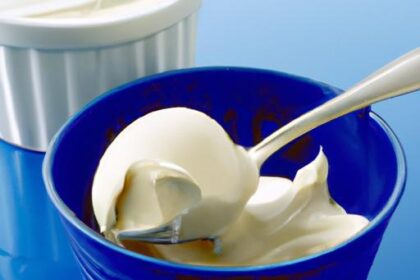
- garlic toum: Whipped garlic and oil emulsion that elevates every bite
- Freshly chopped tomatoes, cucumbers, and pickles
- Warm pita bread or flatbreads
- Fresh herbs: Parsley or mint, finely chopped
Step-by-Step Instructions
- Prepare the marinade: In a large bowl, combine Greek yogurt, lemon juice, olive oil, minced garlic, and white vinegar. Whisk in all spices – cumin, coriander, paprika, turmeric, cinnamon, cardamom, cayenne, salt, and pepper until well blended.
- marinate the meat: Add the chicken thighs to the bowl, ensuring each piece is thoroughly coated. Cover with plastic wrap and refrigerate for at least 6 hours, preferably overnight to deepen flavors and tenderize the meat.
- Preheat your cooking surface: Whether using a skillet or grill pan, set it to medium-high heat. Lightly oil to prevent sticking.
- Cook the shawarma: Place marinated chicken pieces on the pan, cooking about 7-10 minutes per side until the outside develops a gorgeous golden crust and the inside reaches 165°F (74°C). For extra authenticity, slice the chicken thinly against the grain after cooking to mimic traditional shawarma cuts.
- Warm the pita bread: Briefly wrap in foil and place it near your grill or cook directly on a flame for a few seconds each side to achieve light smoky charring and softness.
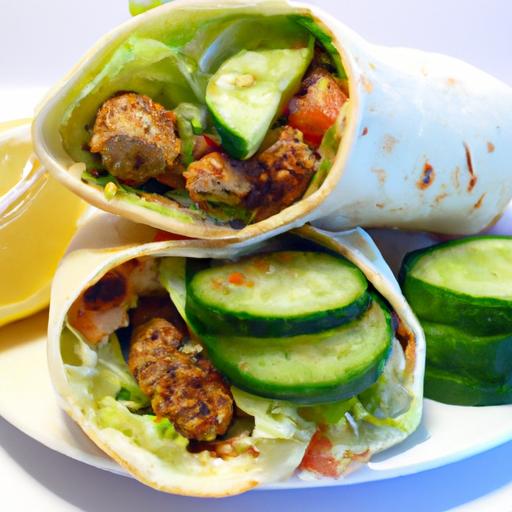
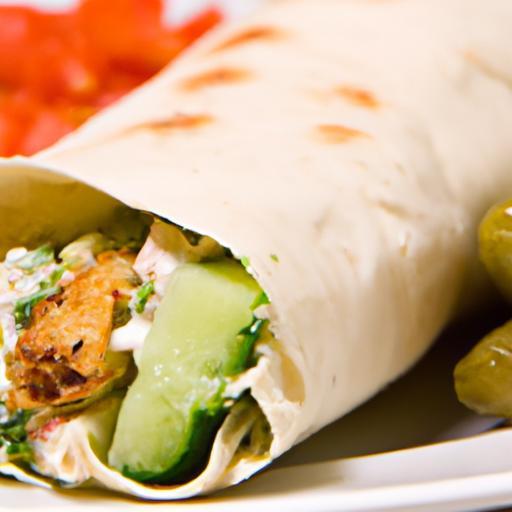
- Assemble your shawarma wrap: Spread tahini or toum on your pita, add a layer of sliced chicken, then top with fresh vegetables and a sprinkle of herbs. Roll tightly and serve hot.
Tips for Success
- Marination is key: Don’t rush it-longer marination deepens the spice profile and yields tender, juicy meat.
- Balance spices carefully: Adjust cayenne to your spice tolerance and try fresh versus dried herbs to find your preferred flavor brightness.
- For juicy results: Chicken thighs are ideal; the slightly higher fat content keeps the meat succulent compared to breast.
- Make it ahead: marinated meat can be frozen up to 1 month.Thaw overnight in the refrigerator before cooking.
- Get creative: Try beef,lamb,or turkey using the same spice blend and method for variation.
Serving Suggestions
- Serve with a side of warm hummus or baba ganoush for added texture and flavor contrast.
- Garnish with luminous, crunchy pickled vegetables and a sprinkle of sumac for a lemony tang.
- Pair with a fresh fattoush salad or tabbouleh to brighten the meal and incorporate fresh greens.
- Consider drizzling a little extra virgin olive oil and a squeeze of fresh lemon juice over your shawarma wrap right before serving.
- Use colorful vegetables-red onions, purple cabbage, and green herbs-to enhance visual appeal and nutritional balance.

| Nutrient | Per Serving (approx.) |
|---|---|
| Calories | 350 |
| Protein | 32g |
| Carbohydrates | 18g |
| Fat | 14g |
To delve deeper into the intricate flavor profiles and cultural impact of Middle Eastern cuisine, explore our complete spice guide. For authentic cooking techniques combined with modern kitchens,check out Serious Eats’ feature on shawarma’s origins and marinade secrets.
Q&A
Q&A: Shawarma Unwrapped: A Flavorful Journey Through Middle Eastern Delight
Q1: What exactly is shawarma, and where did it originate?
A: Shawarma is a savory Middle Eastern dish consisting of thinly sliced, marinated meat stacked and slow-cooked on a vertical rotisserie.Its origins trace back to the Ottoman Empire, but it has become a beloved street food across the Middle East and beyond, celebrated for its rich history and mouthwatering flavors.
Q2: What types of meat are traditionally used in shawarma?
A: Traditionally, shawarma is made from juicy cuts of lamb, beef, or chicken. These meats are marinated in a blend of spices,herbs,and sometimes yogurt,giving the shawarma its signature tender texture and aromatic taste without overpowering the natural flavors.
Q3: How is shawarma different from other similar dishes like gyro or doner kebab?
A: While shawarma, gyro, and doner kebab share a method of vertical roasting, shawarma stands out for its unique combination of Middle Eastern spices such as sumac, cardamom, and turmeric, creating a distinct flavor profile. Gyro uses more Mediterranean herbs, and doner kebab often has a different seasoning blend and meat preparation.
Q4: What are some common spices and marinades that make shawarma so flavorful?
A: the magic lies in a vibrant mixture: garlic, cumin, coriander, paprika, turmeric, cinnamon, and sometimes cloves or allspice. Combined with tangy lemon juice or vinegar and a touch of olive oil or yogurt, these ingredients infuse the meat with layers of zest and warmth that make shawarma unforgettable.
Q5: How is shawarma traditionally served?
A: Shawarma is typically carved off the rotisserie right before serving, then wrapped snugly in soft pita or flatbread.it’s commonly garnished with fresh salad, pickled vegetables, tahini sauce, or garlic sauce, creating a beautiful balance of smoky, tangy, and creamy elements in every bite.
Q6: Are there vegetarian or vegan versions of shawarma?
A: Absolutely! While meat-based shawarma is classic, creative cooks now make versions using hearty mushrooms, marinated tofu, or spiced cauliflower.These plant-based alternatives often mimic the smoky, spiced flavor through seasonings and grilling techniques, ensuring everyone can enjoy the shawarma experience.
Q7: Why has shawarma become such a popular street food worldwide?
A: Shawarma’s appeal lies in its convenience, rich flavors, and adaptability. It’s fast to prepare, easy to eat on the go, and customizable with various toppings and sauces. Plus, the aromatic spices and tender meat create an irresistible sensory experience, making it a global favorite.
Q8: Can shawarma be paired with any traditional Middle Eastern sides?
A: Definitely! Shawarma pairs beautifully with sides like tabbouleh, fattoush salad, hummus, baba ganoush, and crispy falafel. These vibrant dishes compliment the meat’s spices with fresh herbs, lemony brightness, and creamy textures for a complete Middle Eastern feast.
Q9: What tips can you share for making authentic shawarma at home?
A: For home cooking, marinate your meat generously and allow it to soak overnight.Use a mix of warm and aromatic spices, and cook the meat slowly, either on a grill or in the oven, to develop that tender, flavorful quality. Serve with fresh toppings and warm flatbread to recreate the authentic shawarma vibe.
Q10: How does shawarma reflect the culture and history of the Middle East?
A: Shawarma encapsulates a rich tapestry of cultural exchanges in the Middle East, blending Ottoman culinary methods with local flavors. It symbolizes hospitality, community, and the region’s love for bold, spice-driven cuisine. Every bite tells a story of centuries-old traditions and shared joy around the table.
The Way Forward
As we wrap up our flavorful journey through the world of shawarma,it’s clear that this Middle Eastern marvel is much more than just a street food favorite. With its harmonious blend of succulent meats, exotic spices, and vibrant accompaniments, shawarma tells a story of rich cultural heritage and culinary artistry. Whether enjoyed in bustling city markets or recreated in your own kitchen, each bite invites you to savor centuries of tradition and innovation. So next time you unwrap a shawarma, take a moment to appreciate the vibrant history and tantalizing flavors that make this dish a true global delight.