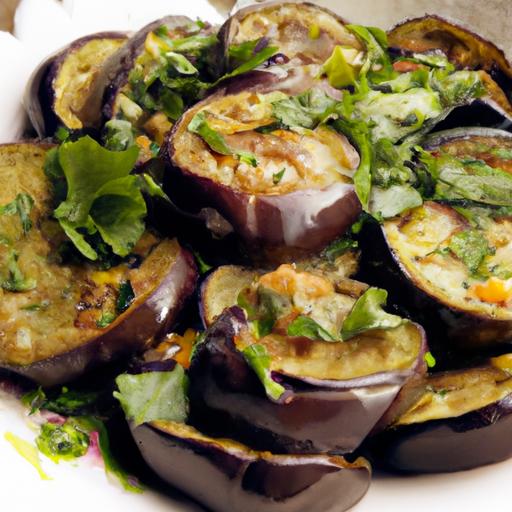


In the vibrant tapestry of Middle Eastern cuisine, few dishes capture the essence of tradition and flavor quite like mutabbal.This creamy eggplant delight, with its smoky depth and luscious texture, invites food lovers on a sensory journey through sun-soaked orchards and bustling spice markets.Whether served as a humble appetizer or a star accompaniment, mutabbal is more than just a dip-it’s a celebration of heritage, technique, and the humble eggplant transformed into culinary magic. Join us as we delve into the secrets behind mutabbal’s silky allure, uncover its cultural roots, and discover why this velvety treat continues to enchant palates around the world.
Mutabbal Magic invites you into the soulful world of creamy eggplant delight, a dish that balances smoky depth with luxuriously smooth texture.Rooted in Levantine tradition, this velvety dip showcases roasted eggplants kissed by flame, transforming humble ingredients into a celebration of flavor and richness. My passion for crafting mutabbal began during a Mediterranean escapade where the simple yet profound taste of this dish became unforgettable-a culinary moment that sparked endless kitchen experiments to achieve its perfect texture and balance.
Prep and Cook Time
Readiness: 20 minutes
Cooking: 35 minutes
Total Time: 55 minutes
Yield
Approximately 4-6 servings
Difficulty Level
Medium – Requires attention to detail for perfect texture and flavor layering
Ingredients
- 2 large eggplants,whole,preferably globe or purple varieties
- 3 tablespoons tahini,well stirred
- 3 cloves garlic,finely minced
- 3 tablespoons fresh lemon juice
- 2 tablespoons extra virgin olive oil (plus more for garnish)
- 1 teaspoon ground cumin
- Salt,to taste
- Fresh parsley,finely chopped,for garnish
- 1/4 teaspoon smoked paprika,optional,for garnish
Instructions
- Roast the eggplants: Pierce the eggplants a few times with a fork or knife to prevent bursting. Place them directly over a low open flame on a gas stove or on a grill. Roast turning every 6-7 minutes until the skin is thoroughly charred and the flesh feels soft (about 25-30 minutes). Alternatively, roast under a broiler on a lined baking sheet, turning frequently.
- Cool and peel: Transfer roasted eggplants to a bowl and cover with plastic wrap to steam for 10 minutes; this softens the flesh further and makes peeling easier. Once cool enough to handle, slice open and scoop out the smoky pulp, discarding the charred skin.
- Drain excess moisture: Place the eggplant flesh in a fine mesh sieve or a cheesecloth-lined bowl for 10 minutes to drain. Removing water ensures a creamy and thick mutabbal consistency.
- Combine ingredients: Transfer the drained eggplant to a mixing bowl. Add the tahini, minced garlic, lemon juice, olive oil, ground cumin, and salt. Use a fork or a whisk to gently mash and mix ingredients until smooth and creamy. Avoid over-blending to maintain a slight texture that highlights its rustic charm.
- Taste and adjust: Sample the mutabbal and adjust seasoning by adding more lemon juice for brightness, salt for balance, or tahini for richness.
- Chill and meld flavors: Cover and refrigerate for 30 minutes to allow the flavors to harmonize beautifully.
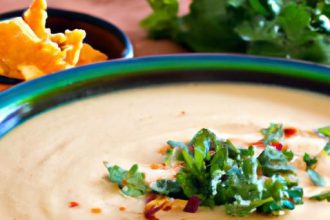
- serve with flourish: Transfer to a shallow serving bowl. Drizzle with extra virgin olive oil, and sprinkle with chopped parsley and smoked paprika for a vibrant visual and flavor boost.
Tips for Success
- Authentic smokiness: The secret to spectacular mutabbal magic lies in roasting eggplants over an open flame whenever possible, infusing that classic smoky note unfeasible to replicate with ovens alone.
- Texture control: Properly draining eggplant pulp prevents watery, runny dip-press gently but thoroughly.
- Garlic intensity: Adjust garlic to your taste; for a milder tone, lightly roast the cloves before mincing.
- Make ahead: Mutabbal improves after resting,so prepare a few hours in advance.Store airtight in the refrigerator for up to 3 days.
- Variations: For added richness, fold in a spoonful of plain Greek yogurt just before serving.
Serving Suggestions
mutabbal magic shines beautifully alongside Mediterranean staples. Serve as part of a mezze spread featuring warm pita bread, crisp cucumber slices, and juicy cherry tomatoes.Pair with spiced chickpea falafel,homemade tabbouleh,or grilled lamb skewers for a balanced and memorable meal. Garnish with fresh herbs, a drizzle of golden olive oil, and a sprinkle of sumac for vibrant visual contrast that invites eager forks.

| Nutrient | Per Serving |
|---|---|
| Calories | 140 kcal |
| Protein | 3 g |
| Carbohydrates | 10 g |
| Fat | 11 g |
For further inspiration exploring Mediterranean dips and spreads, check out our article on Homemade Hummus Secrets. To deepen your understanding of tahini’s nutritional benefits, visit Healthline’s expert guide.
Q&A
Q&A: Mutabbal Magic: Discovering the Creamy Eggplant Delight
Q1: What is Mutabbal and where does it originate from?
A: Mutabbal is a luscious Middle Eastern dip crafted from roasted eggplants blended into a creamy, smoky, and tangy spread. Originating from Levantine cuisine,it’s a beloved dish across countries like Lebanon,Syria,and Jordan,where it’s traditionally served as part of a mezze platter.
Q2: How does Mutabbal differ from Baba Ganoush?
A: While both dips use roasted eggplant as a base, Mutabbal typically includes tahini (sesame paste), garlic, lemon juice, and yogurt or sometimes a touch of creaminess, resulting in a smooth, rich texture with a pronounced tahini flavor. Baba Ganoush, on the other hand, might have a chunkier texture and may emphasize smoky eggplant with less tahini, focusing more on olive oil and sometimes herbs.
Q3: What are the key ingredients that make Mutabbal so irresistibly creamy and flavorful?
A: the magic lies in perfectly roasted eggplants combined with creamy tahini, fresh garlic, luminous lemon juice, salt, and a drizzle of rich olive oil. A sprinkle of ground sumac or a dusting of smoked paprika can add a vibrant pop of flavor and color, elevating the dish to a new level of deliciousness.
Q4: Can Mutabbal be made vegan?
A: Absolutely! Customary Mutabbal often uses tahini and lemon juice, which are naturally plant-based. If the recipe calls for yogurt, it can be substituted with coconut yogurt or omitted entirely, ensuring a fully vegan delight that’s creamy and satisfying.
Q5: What’s the best way to roast eggplants for Mutabbal?
A: Roasting over an open flame is ideal to infuse smoky depth, but an oven works beautifully too. Pierce the eggplants a few times, roast at high heat until the skin is charred and the flesh is tender. Let it cool before peeling and draining excess moisture to avoid a watery dip.
Q6: What are some creative ways to serve Mutabbal?
A: Besides the classic mezze presentation with warm pita bread, try dolloping Mutabbal on grilled flatbreads, using it as a sandwich spread, or serving it alongside fresh vegetable sticks. It also makes a delightful topping for roasted potatoes or a creamy addition to grain bowls.
Q7: How can you store Mutabbal to maintain its freshness?
A: Store Mutabbal in an airtight container in the refrigerator for up to 4 days. Before serving, stir gently and add a drizzle of olive oil to revive its luscious texture and vibrant flavor.
Q8: Are there regional variations of Mutabbal worth exploring?
A: Indeed! Some regions add pomegranate molasses for a sweet-tart twist, others might introduce a sprinkle of fresh herbs like parsley or mint. Some variants incorporate a hint of cumin or smoked paprika to tailor the smoky profile. Exploring these slight shifts adds layers of interest to this classic dip.
Q9: Is Mutabbal gluten-free and suitable for moast dietary needs?
A: Yes, Mutabbal is naturally gluten-free, dairy-free when yogurt is omitted, and suitable for vegan and vegetarian diets. Its wholesome ingredients make it a versatile and inclusive choice for many eating preferences.
Q10: Why has Mutabbal become a beloved dish worldwide?
A: Its irresistible creamy texture, smoky depth, and bright citrusy notes create a flavor profile that transcends cultural boundaries. It’s simple yet sophisticated-a dish that invites sharing, conversation, and celebration, embodying the communal spirit of Middle Eastern hospitality.
Insights and Conclusions
As we wrap up our journey into the luscious world of mutabbal, one truth stands clear: this creamy eggplant delight is more than just a dip-it’s a celebration of tradition, flavor, and simple ingredients transformed into something remarkable. Whether spread on warm pita, dolloped onto grilled meats, or enjoyed as a refreshing appetizer, mutabbal invites you to savor the smoky, tangy, and velvety textures that have enchanted taste buds for generations.So next time you crave a culinary adventure, remember that the magic of mutabbal lies not onyl in its recipe but in the stories it tells and the warmth it brings to your table.Dive in,explore,and let this timeless dish inspire your palate and your kitchen alike.