
From humble griddles sizzling in ancient hearths to the towering stacks adorning modern breakfast tables, pancakes have long captivated palates across the globe. More than just a simple morning treat, these golden discs tell a story steeped in history, culture, and culinary innovation.”The Art of Pancakes: Flipping through History and Flavor” invites you on a journey through time and taste, exploring how this beloved comfort food has evolved from rustic roots to a canvas for endless creativity. Prepare to uncover the fascinating origins, regional twists, and flavor adventures that make pancakes not just food, but a timeless art form.
The Art of Pancakes: Flipping Through History and Flavor
The Art of Pancakes: flipping Through History and Flavor invites you on a appetizing journey celebrating this universally beloved dish. From ancient grain cakes cooked over open fires to today’s light and fluffy stacks,pancakes embody cultural evolution in each bite. Whether you crave the buttery American classic or the delicate Japanese souffle pancake, mastering the perfect flip ensures every pancake reaches its ideal golden-brown height and texture.
Prep and Cook Time
- Readiness: 10 minutes
- Cooking: 20 minutes
- Total Time: 30 minutes
Yield
Serves 4 (makes approximately 12 pancakes)
Difficulty Level
Easy to Medium – perfect for beginners yet rewarding for seasoned home cooks eager for that flawless flip.
Ingredients
- 1 ½ cups all-purpose flour, sifted
- 3 ½ teaspoons baking powder
- 1 teaspoon fine sea salt
- 1 tablespoon granulated sugar (optional, for slight sweetness)
- 1 ¼ cups whole milk, room temperature
- 1 large egg, lightly beaten
- 3 tablespoons unsalted butter, melted, plus extra for cooking
- 1 teaspoon pure vanilla extract (optional, for aroma)
Instructions
- Combine dry ingredients. In a large bowl, whisk together the sifted flour, baking powder, salt, and sugar until thoroughly blended.
- Mix wet ingredients. In a separate bowl, combine the milk, beaten egg, melted butter, and vanilla extract until smooth.
- Form the batter. Gradually add the wet mixture into the dry ingredients, folding gently with a spatula. Stir onyl until just combined; a few small lumps are normal-overmixing creates tough pancakes.
- Heat your pan. Preheat a non-stick skillet or cast-iron griddle over medium heat. Lightly grease the surface with butter to prevent sticking and to encourage browning.
- Pour and cook. Using a ¼ cup measure, pour batter onto the hot pan. Cook until tiny bubbles form on the surface-about 2 to 3 minutes-and the edges look set.
- Master the flip. slide a thin spatula carefully underneath and flip swiftly but gently. Cook the other side until golden brown, approximately 1 to 2 minutes more.
- Keep warm and serve. Transfer cooked pancakes to a warm plate, covering loosely with foil. Continue with remaining batter, adding more butter as needed for each batch.
Tips for success in The Art of Pancakes: Flipping Through History and Flavor
- Room temperature ingredients like milk and eggs blend more easily, yielding a lighter batter.
- Don’t overmix. A few lumps help keep pancakes fluffy and tender.
- Controlling heat is key: too high burns the outside before the inside cooks, too low results in flat, pale pancakes.
- Practice your flip by sliding the spatula smoothly, keeping the pancake flat to avoid breaking.
- Make ahead: Prepare batter the night before and refrigerate. give it a gentle stir before cooking the next day.
Exploring Unique Flavors and Ingredients from Around the World
the Art of Pancakes: Flipping Through History and flavor reveals the diverse spectrum of pancake interpretations globally. Try adding cardamom and rose water for a middle Eastern twist or fold in matcha powder for a beautiful green hue and earthy depth inspired by Japanese origins.For a hearty variation, swap half the flour for buckwheat, echoing Breton galettes from France, creating nuttier, strikingly textured delights. Incorporate coconut milk and fresh pineapple for tropical vibes reminiscent of Southeast Asian street treats.
Creative Serving Suggestions to Elevate Your Pancake Experience
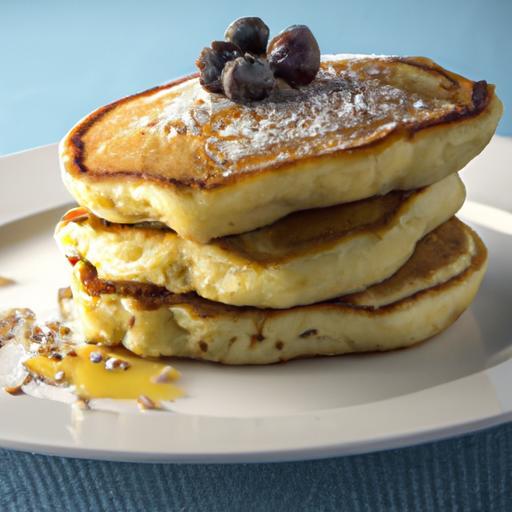
Transform your classic pancake plate into an eye-catching feast.Stack pancakes high and drizzle with pure maple syrup and melted butter for timeless indulgence. add vibrant splashes of fresh berries, sliced bananas, or pomegranate seeds to introduce freshness and contrast. For an elegant finish, dust with powdered sugar and scatter edible flowers or mint leaves. A scoop of vanilla bean ice cream or a dollop of whipped coconut cream elevates this breakfast to dessert-worthy heights. Try layering with rich nut butters, homemade fruit compote, or toasted nuts for delightful crunch and flavor complexity.
| Nutrient | Per Serving (3 pancakes) |
|---|---|
| calories | 220 kcal |
| Protein | 6 g |
| Carbohydrates | 30 g |
| Fat | 7 g |
For readers inspired to deepen their pancake expertise, explore our related note on Ultimate Cake Flip Techniques for Home bakers. For a broader ancient overview of pancakes, Encyclopaedia Britannica’s detailed entry offers fascinating insights.

Q&A
Q: What makes pancakes such a timeless favorite around the world?
A: Pancakes are a culinary chameleon,adaptable to countless cultures and tastes. Their simple base of flour, liquid, and heat invites endless creativity, transforming humble ingredients into comforting, celebratory, or even ceremonial food. This versatility, paired with their swift cooking and delightful texture, has ensured pancakes remain beloved across centuries and continents.
Q: How far back does the history of pancakes go?
A: Pancakes have origins that trace back to prehistoric times, with evidence of flat cakes cooked on hot stones over 30,000 years ago. Ancient civilizations-from the Romans to the Chinese-developed their own fluffy or thin versions, each reflecting available ingredients and local customs. Exploring pancake history is like flipping through a delicious timeline of human innovation.
Q: What are some iconic pancake styles from different cultures?
A: From the airy French crêpe to the thick and fluffy American stack, pancakes embody a global diversity. Russian blini, Ethiopian injera, and Japanese okonomiyaki showcase how pancakes can be savory or sweet, plain or stuffed, simple or gourmet. Each style offers a glimpse into its culture’s palate and philosophy of dining.
Q: How have pancake recipes evolved over time?
A: Early pancakes were often just basic mixtures of ground grains and water, cooked over open flames. Over the centuries, additions like eggs, milk, leavening agents, and spices elevated pancakes from plain sustenance to culinary art. Modern advances even bring creative twists, like incorporating exotic flours or infusions that reflect contemporary tastes and dietary needs.
Q: What secrets can home cooks learn to perfect their pancake flipping skills?
A: mastering the flip is a blend of timing, temperature, and confidence. Waiting for bubbles to appear on the surface and edges to firm up signals the ideal moment to flip. Using a wide, flexible spatula and a swift, smooth wrist motion prevents tearing. Most importantly, practice transforms flipping from a tricky art into a satisfying kitchen dance.
Q: How do toppings and fillings elevate the pancake experience?
A: Pancakes are a canvas inviting bold and subtle flavor combinations alike. From tangy fruits and rich nut butters to aromatic spices and creamy cheeses,toppings and fillings can shift pancakes from breakfast to dessert or even a savory meal. Their adaptability makes each bite a personal adventure in taste and texture.
Q: Can pancakes be part of a balanced diet?
A: Absolutely! When made with whole grains, natural sweeteners, and nutritious add-ins like seeds or fresh fruit, pancakes can nourish the body and delight the palate. Incorporating vegetables or legumes into batter also broadens the nutritional palette, proving that indulgence and health can coexist in every golden flapjack.
Q: Why do pancakes hold such a special place in celebrations and traditions?
A: Beyond their deliciousness, pancakes symbolize abundance, renewal, and togetherness in many cultures.Festivals like Shrove Tuesday embrace pancake-making as a ritual to use up rich ingredients before fasting periods.Sharing a stack with loved ones is an act of hospitality and warmth, connecting people through a shared love for the simple joy of food.
Future Outlook
From humble griddles in ancient hearths to bustling breakfast nooks around the world, the art of pancakes has flipped its way through centuries and cultures, carrying with it stories of tradition, innovation, and flavor. Whether drizzled with maple syrup, dusted with powdered sugar, or infused with unexpected ingredients, each pancake tells a tale of its own-a delicious chapter in the ongoing narrative of culinary creativity. So next time you hold that golden, buttery stack in your hands, remember you’re not just savoring a meal; you’re partaking in a timeless art that continues to evolve, delight, and bring people together one perfect flip at a time.