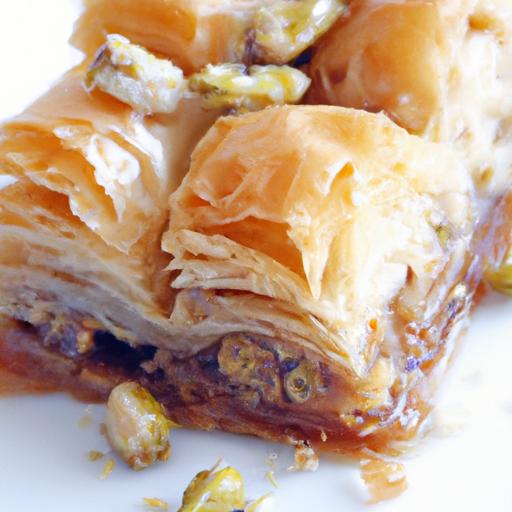

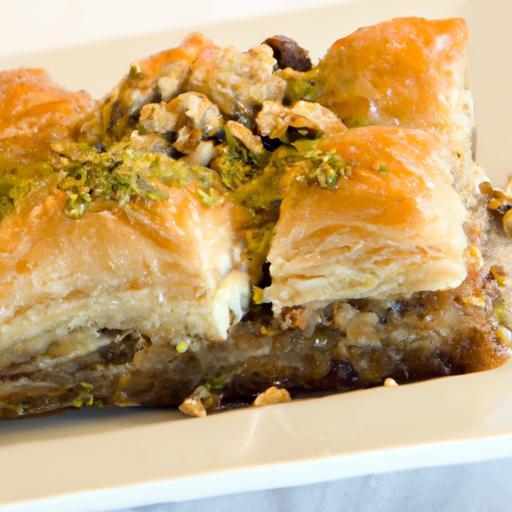
In the world of desserts,few confections evoke as much passion and curiosity as baklava-a delicate symphony of flaky pastry,honeyed nuts,and fragrant spices. This ancient treat, woven into the culinary tapestries of countless cultures, carries a sweet legacy that transcends borders and generations. “Baklava Unwrapped: The Sweet Legacy of a Timeless treat” peels back the layers of history,tradition,and artistry behind this beloved dessert. Join us as we explore how baklava’s irresistible allure has endured for centuries,inviting us to savor not just its taste,but the stories and heritage baked into every luscious bite.
Baklava Unwrapped invites you into a world where sweet layers of history meet the irresistible crunch of perfectly baked phyllo. This iconic dessert, cherished across the Middle East and Mediterranean, carries centuries of rich cultural significance beyond its decadent taste. Originating in the Ottoman Empire and refined by countless hands, baklava is more than a pastry – it’s a celebration of tradition, craftsmanship, and festive joy.
Prep and Cook Time
- Preparation: 45 minutes (includes layering and chopping nuts)
- Baking: 45 minutes
- Syrup soaking: 4 hours (preferably overnight)
Yield
Serves 12 generous portions
Difficulty Level
Medium – requires patience and attention for buttery, flaky perfection
ingredients
- 1 package (16 oz) phyllo dough, thawed and kept covered with a damp towel
- 2 cups mixed nuts (such as walnuts, pistachios, almonds), finely chopped
- 1 cup unsalted butter, melted
- 1 tsp ground cinnamon
- For the syrup:
- 1 ½ cups granulated sugar
- 1 cup water
- ½ cup honey
- 1 tbsp freshly squeezed lemon juice
- 1 cinnamon stick
- 2-3 whole cloves
- 1 tsp rosewater or orange blossom water (optional)
Instructions
- Prepare the nuts: In a bowl, combine finely chopped nuts and ground cinnamon. Set aside, as these will bring warmth and depth to every bite.
- Preheat oven: Set your oven to 350°F (175°C). A well-heated oven is key to achieving the signature golden, flaky layers.
- Butter and layer the phyllo: Brush a 9×13-inch baking dish with melted butter. Lay down a sheet of phyllo dough, brushing generously with butter. Repeat layering 8 sheets, remembering to keep rest of phyllo covered to prevent drying.
- Add the nut mixture: Evenly sprinkle a thin layer of the nut and cinnamon mixture over the buttered phyllo sheets.
- Repeat layering: Continue layering phyllo dough sheets brushed with butter in batches of 5-6, followed by nut layers, until the nuts are used up. Finish with at least 8 layers of buttered phyllo sheets on top.
- Cut into shapes: Using a sharp knife, score the baklava into diamonds or squares all the way to the bottom of the pan.This helps syrup soak in after baking.
- Bake: Place the dish in the preheated oven and bake for 40-45 minutes or until the top is deep golden brown and crisp.
- make the syrup: While baking, combine sugar, water, honey, lemon juice, cinnamon stick, and cloves in a saucepan. Bring to a boil, then simmer for 10 minutes. Remove from heat, discard cinnamon and cloves, and stir in rosewater or orange blossom water if using. Let cool to room temperature.
- Syrup the baklava: Remove baklava from oven and instantly pour the cooled syrup evenly over hot baklava. The syrup’s warmth penetrates the layers, giving that signature luscious finish.
- Rest before serving: allow baklava to cool completely, ideally soaking for 4 hours or overnight, to ensure every flaky layer is infused with syrupy sweetness.
Tips for Success: Mastering the Art of Flaky Layers and Perfect Syrup
- Phyllo handling: Always keep phyllo covered with a damp cloth to prevent drying and cracking while working.
- Butter generously: Don’t skimp on butter; it creates those essential crisp, flaky layers.
- Nut variety: Use a blend of nuts that you love; pistachios bring a vibrant green hue,walnuts add earthiness,while almonds provide subtle crunch.
- syrup temperature: Pour cooled syrup over hot baklava to allow deep absorption without making the pastry soggy.
- Make ahead: Baklava improves with time.Prepare a day in advance for optimum flavor and texture.
selecting Quality Ingredients for Authentic Flavor
The key to unforgettable baklava lies in quality ingredients. Choose freshly chopped nuts without any salt or roasting for natural flavor. Butter should be unsalted and pure,not margarine. Opt for organic honey if possible, lending floral notes to the syrup. For the most authentic touch,adding a hint of rosewater or orange blossom water elevates the aroma to traditional standards.
serving Suggestions
Serve baklava chilled or at room temperature on a decorative platter that showcases its gleaming, golden layers. Garnish with a dusting of finely chopped pistachios or edible rose petals for an elegant finish. Pair it with a strong black coffee or mint tea to balance its intense sweetness.
| Nutritional Info (per serving) | Calories | Protein | Carbs | Fat |
|---|---|---|---|---|
| Baklava | 320 | 5g | 35g | 18g |
Discover more about layering techniques in our Guide to perfect Phyllo Dough and deepen your thankfulness for regional pastries with Britannica’s ancient insights on baklava.

Q&A
Q&A: Baklava Unwrapped – The Sweet Legacy of a Timeless Treat
Q1: What is baklava, and why has it remained so beloved across cultures?
A1: Baklava is a luscious pastry made of thin layers of flaky phyllo dough, generously filled with chopped nuts and sweetened with fragrant honey or syrup. Its enduring appeal lies in this harmonious blend of textures and flavors-a crispy, buttery crust embracing a rich, nutty interior, all kissed by golden sweetness. Originating centuries ago, baklava captures a shared culinary heritage, bridging continents from the Middle East to the Mediterranean, inviting everyone to savor a piece of history.
Q2: Where did baklava originally come from?
A2: Baklava’s roots are woven through several ancient civilizations, with early forms believed to have been crafted in the royal kitchens of the byzantine Empire and the Ottoman Empire. Over time, each region added its own flair, but the essence remained-a decadent, layered pastry symbolizing celebration and hospitality. Its journey mirrors the migrations and exchanges of cultures, making baklava a truly timeless treat.
Q3: What types of nuts are traditionally used in baklava?
A3: Classic baklava often features a mix of finely chopped walnuts, pistachios, or almonds-each offering a unique flavor and texture. Walnuts lend a robust, earthy bite, pistachios bring a vibrant color and subtle sweetness, while almonds contribute a gentle nutty softness. Sometimes, bakers combine these or select their favorite nuts depending on regional preferences and seasonal availability.
Q4: How does the layering process impact the final texture of baklava?
A4: The layering process is an art form in itself. Each sheet of phyllo is brushed with melted butter,stacking to create dozens of delicate,paper-thin layers. When baked, these layers separate, crisping into a golden, crackly crown that’s light as air. Beneath, the nuts provide a chewy contrast, and the honey syrup seeps gently to unify the textures. This meticulous layering is what gives baklava its signature balance between flaky and succulent.
Q5: Is it possible to make baklava at home without specialized equipment?
A5: Absolutely! while professional bakers may rely on seasoned hands and commercial ovens, homemade baklava is surprisingly approachable. The key is patience-handling phyllo dough with care, brushing each layer with butter, and letting the syrup soak in gradually after baking. A standard kitchen, an oven, and good-quality ingredients are all you need to unwrap the sweet legacy of baklava in your own kitchen.
Q6: What are some traditional occasions for serving baklava?
A6: Baklava has long been a symbol of festive joy and generosity. It often graces tables during weddings, religious celebrations like Eid and Christmas, and family gatherings. Its rich sweetness and elegant presentation make it a perfect finale to communal meals-a shared indulgence that seals memories and friendships.
Q7: Can baklava be adapted for different dietary needs without losing its essence?
A7: While baklava relies heavily on butter and nuts, creative variations can honor dietary preferences. For example, using plant-based butters or oils can create a dairy-free version, and swapping or varying nuts allows for allergy-pleasant options. However, the heart of baklava lies in its layered crispness and honeyed sweetness, so any adaptation works best when it retains these core elements.
Q8: What is the secret to baklava’s syrup for that perfect balance of sweetness and aroma?
A8: The magic syrup is a blend of honey, sugar, water, and a gentle squeeze of citrus-often lemon juice-which cuts through sweetness and adds subtle brightness. Some recipes enhance aroma with hints of rose water or orange blossom water. Pouring the syrup over the baklava while it’s still warm allows it to seep in deeply, creating that moist, tender bite beneath the crisp top.
Q9: How has baklava influenced desserts around the world?
A9: Baklava has inspired a host of layered, nutty sweets globally, from Greek and Turkish variants to Middle Eastern confections.Its technique and flavor profile echo in other pastries, encouraging innovation while honoring tradition. Each version is a testament to baklava’s power to transcend borders and adapt while preserving its soul as a sweet symbol of hospitality.
Q10: What makes baklava a “timeless” treat beyond its taste?
A10: Beyond its irresistible flavor, baklava endures because it tells a story-of ancient empires, family kitchens, festivals, and the joy of shared moments. Its layers mirror the complexity of culture and time, and each bite invites reflection on history and human connection. This deep cultural resonance is what makes baklava not just a dessert but a cherished legacy, one that continues to delight palates and hearts alike.
Insights and Conclusions
As the golden layers of baklava unfold, so too does the rich mosaic of history, culture, and craftsmanship that envelops this timeless treat. More than just a dessert, baklava is a sweet thread woven through centuries, connecting generations with every flaky bite and honey-kissed drizzle. Whether savored in a bustling market or crafted in a quiet kitchen, its legacy endures-reminding us that some flavors transcend time, inviting us all to unwrap a piece of the past and savor the stories it tells.