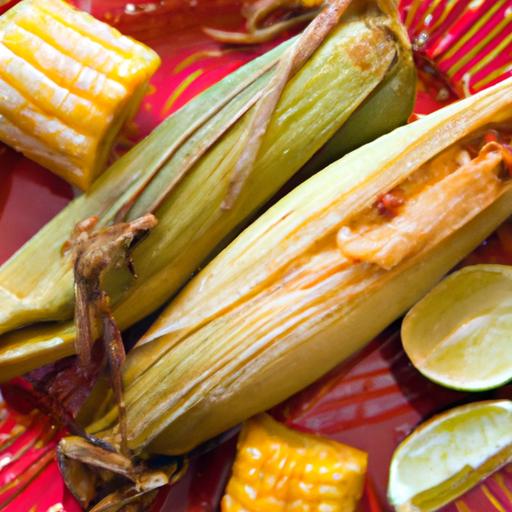


There’s a certain magic that happens when simple ingredients are transformed through time-honored techniques into a dish that carries the very essence of a culture. Humita en Chala, a beloved culinary treasure from the heart of south America, is one such creation-an irresistible blend of tender corn, fragrant spices, and subtle sweetness, all lovingly wrapped in vibrant green corn husks. This customary delicacy not only delights the palate but also tells a story of heritage, community, and the enduring bond between people and the land. Join us as we unwrap the layers of history, flavor, and artistry behind Humita en Chala, and discover why this humble corn treat remains a cherished symbol of tradition and taste.
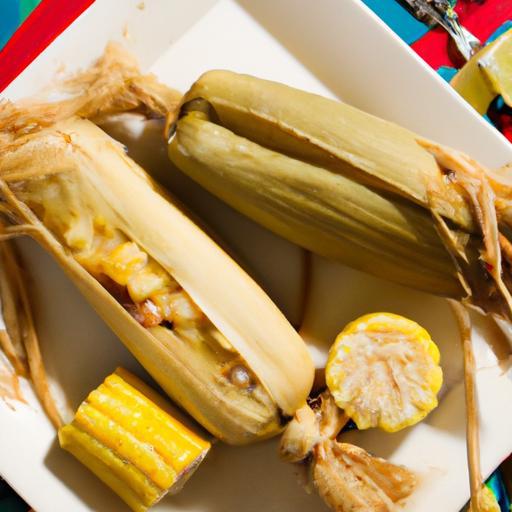
Humita en Chala is more than just a dish; it’s a vibrant symbol of Latin American heritage and culinary ingenuity. Rooted in the andean traditions of countries like Argentina, Chile, Bolivia, and Peru, this cherished preparation highlights the humble corn husk wrapper as both a cooking vessel and a vessel of cultural storytelling. Originating from indigenous techniques, humita carries with it centuries of agricultural reverence and communal festivity, making every bite a connection to the past. Having grown up savoring this creamy,fragrant treat during family gatherings,I’ve witnessed firsthand how it brings people together,beautifully marrying texture,aroma,and history in a single,wrapped parcel.
Prep and Cook Time
- Preparation: 30 minutes
- Cooking: 40 minutes
- Total Time: 1 hour 10 minutes
Yield
- Serves 6 generous portions
Difficulty Level
- Medium – perfect for those eager to master traditional Latin American techniques
Ingredients
- 8 ears of fresh corn, husked and kernels removed (reserve husks intact)
- 1 large onion, finely chopped
- 2 tablespoons unsalted butter
- 1 cup fresh ricotta cheese or fresh queso fresco
- 1/2 cup whole milk
- 1 tablespoon sugar
- 1 teaspoon ground cumin
- Salt and freshly ground black pepper, to taste
- Fresh basil leaves, finely chopped (about 2 tablespoons)
- Kitchen twine or strips of corn husk, for tying
Instructions
- Prepare the husks: Gently separate the corn husks, rinse them thoroughly under cold water to remove any dirt, and soak them in warm water for about 20 minutes. This step softens the husks, making them pliable and less likely to tear when folding.
- Sauté the onions: In a large skillet,melt the butter over medium heat. Add the chopped onion and sauté until translucent and fragrant, about 5-7 minutes. Stir occasionally to prevent browning.
- blend the corn kernels: Using a food processor or blender, pulse the fresh corn kernels a few times until coarsely ground, maintaining some texture for a rustic bite.
- Combine filling ingredients: Transfer the ground corn into a mixing bowl. Add the sautéed onions,ricotta,milk,sugar,cumin,and basil. Stir until well incorporated. Season generously with salt and pepper.
- Assemble the humitas: Remove a softened husk, pat dry, and lay it flat. Spoon about 3-4 tablespoons of the creamy filling in the center, folding the long edges over to encase the filling entirely. Fold the top and bottom ends toward the center, then tie securely with kitchen twine or a strip of husk.Repeat with remaining husks and filling.
- Steam the humitas: Arrange the wrapped humitas upright in a steamer basket over boiling water. Cover and steam for 35-40 minutes, or until the filling is set and fragrant. Avoid opening the steamer lid frequently to maintain consistent steam.
- Serve warm: Carefully remove the humitas from the steamer and let them rest for a few minutes before untying and serving.
Chef’s notes: Tips for Success
- Corn selection: For the creamiest filling,use the freshest ears of corn available,preferably sweated or hand-picked.If corn is off-season, frozen kernels can be a fallback, though texture may slightly differ.
- Husk handling: Don’t skip soaking the husks; dry husks tend to crack and break, compromising the wrap’s integrity during steaming.
- Consistency is key: Avoid overblending the corn to maintain texture.The goal is a slightly coarse filling that blends creaminess with a subtle bite.
- Make ahead: Humitas can be wrapped and refrigerated for up to 24 hours before steaming. This allows the flavors to meld beautifully.
- Milk alternatives: Whole milk imparts richness, but for a lighter version, substitute with coconut milk or almond milk, which add subtle flavor twists.
Serving Suggestions
The beauty of Humita en Chala lies not just in its delicate, creamy filling, but also in how it invites complementary flavors on the plate. Serve these parcels warm, unwrapped to reveal their golden filling. A sprinkling of fresh garden herbs-cilantro or parsley-adds vibrant colour and an aromatic lift. Accompany humitas with a fresh tomato salad drizzled in lime juice and a touch of chili flakes for brightness and gentle heat.
For a creamier balance,a dollop of sour cream or a drizzle of aji verde sauce-a zesty green chili and herb blend-works perfectly to contrast the sweetness and earthiness of the corn. Pair with a chilled glass of freshly squeezed lemonade or a robust herbal tea to round out the meal.
| Nutrient | Per Serving |
|---|---|
| Calories | 210 kcal |
| protein | 6 g |
| Carbohydrates | 30 g |
| Fat | 7 g |
Explore more traditional Latin American corn recipes and deepen your culinary heritage journey. For additional insights into corn as a cultural cornerstone, visit National Geographic’s cultural feature on corn.

Q&A
Q&A: Humita en Chala – A Traditional Taste Wrapped in Corn Husk
Q1: What is humita en Chala?
A: Humita en Chala is a traditional South American dish made primarily from fresh corn.The name “humita” originates from indigenous languages, meaning “steamed corn,” and “chala” refers to the corn husk used to wrap the mixture.this dish is a warm, comforting bite of creamy corn filling carefully wrapped in the natural leaf of the corn, then steamed or boiled to perfection.
Q2: which regions are known for Humita en Chala?
A: Humita en Chala is especially beloved in countries like Argentina, Chile, Peru, and Bolivia, where corn has been a staple food for centuries. Each region offers its own spin on the recipe, reflecting local ingredients and traditions, but the core concept of wrapping and cooking fresh corn in its husk remains the heart of the dish.
Q3: What are the key ingredients in Humita en Chala?
A: The primary ingredient is fresh corn, grated or finely chopped. This is mixed with ingredients like sautéed onions, a touch of fresh basil or other herbs, a bit of sugar or salt for balance, and sometimes a splash of milk or cream to create a luscious, moist filling. The mixture is then wrapped tightly inside cleaned corn husks before cooking.
Q4: how is Humita en Chala traditionally prepared?
A: After preparing the corn filling, the mixture is spooned onto cleaned corn husks, which act as natural wrappers. The husks are folded securely to hold the filling. Traditionally, these parcels are steamed or boiled until the filling thickens and sets, resulting in a tender, flavorful bundle infused with the subtle aroma of corn husk.
Q5: Why is corn husk used as a wrapper instead of other materials?
A: Corn husks not only provide a rustic and authentic presentation but also impart a subtle, earthy aroma and maintain moisture during cooking. They are biodegradable, enduring, and perfectly suited to hold the humita filling intact, creating a natural package that enhances both taste and texture.
Q6: Can Humita en Chala be adapted for modern or dietary preferences?
A: Absolutely! While the traditional recipe maintains its simple,rustic character,modern cooks frequently enough experiment by adding vegetables like bell peppers or spinach,or flavoring with spices such as cumin or smoked paprika. The base remains vegetarian and gluten-free, making it versatile and accessible for various dietary needs.
Q7: What makes Humita en Chala a culturally significant dish?
A: Humita en Chala embodies centuries of indigenous food heritage,linking communities to the land and its seasonal harvests. It’s more than a dish-it’s a celebration of corn, a sacred crop in many South American cultures, and a shared experience during festivals and family gatherings. Each bite is a connection to history and home.
Q8: How is Humita en Chala typically enjoyed?
A: Humita en Chala is ofen served as a main dish or a hearty side. It can be enjoyed warm, freshly steamed, sometimes accompanied by a fresh salad or roasted vegetables. as it’s naturally filling and flavorful, it makes for a comforting meal on its own or a perfect complement to other traditional dishes.Q9: Is fresh corn essential, or can frozen corn be used?
A: Fresh corn is preferred for its sweetness and texture, which are central to the dish’s signature flavor. However, if fresh corn is unavailable, good-quality frozen corn can be a reasonable substitute-just thaw and drain it well to avoid excess moisture in the filling.
Q10: What’s the best way to serve Humita en Chala for a special occasion?
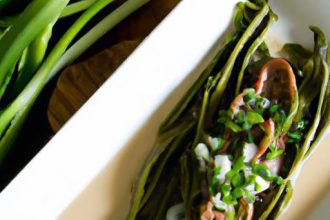
A: For festive occasions, present the humitas wrapped elegantly in their husks on a rustic wooden platter, garnished with fresh herbs like parsley or cilantro. Pairing with vibrant vegetable sides or a fresh tomato salad enhances the flavor contrast. The natural packaging makes it perfect for communal meals, inviting guests to unwrap their own warm, fragrant humita.
Insights and Conclusions
As the tender steam rises from a freshly unwrapped humita en chala, it carries with it more than just the sweet and savory aroma of corn- it carries the echoes of generations, the warmth of communal kitchens, and the vibrant heart of tradition itself. This humble dish, wrapped simply in a corn husk, invites us to savor not only its rich, comforting flavors but also the cultural tapestry woven through every bite. In celebrating humita en chala, we embrace a timeless story of heritage and home, reminding us that sometimes, the most enduring tastes are those lovingly wrapped in the hands of history.