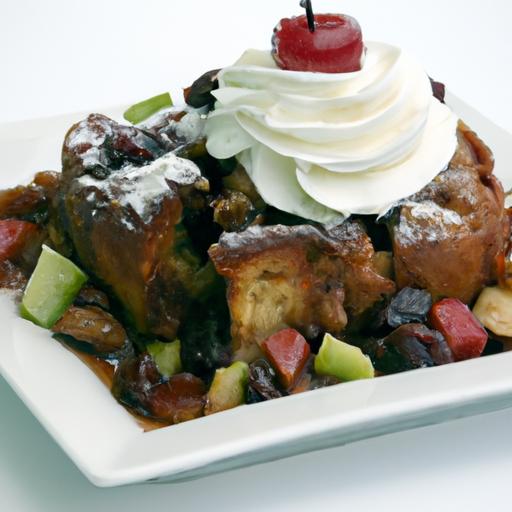
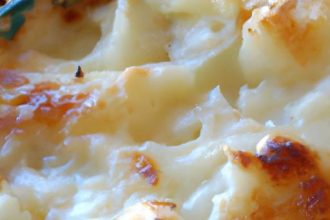

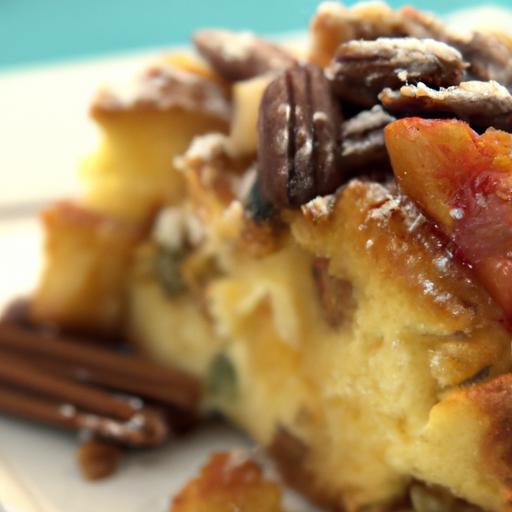
There’s a dessert that weaves together history, culture, and comfort in every bite-a timeless treat known as Capirotada. More than just a sweet casserole, this beloved Mexican dish is a layered symphony of textures and flavors, where crusty bread soaks up rich syrup, mingling with nuts, fruits, and cheese to create a harmonious celebration of tradition.
Whether enjoyed during festive seasons or as a soulful indulgence any time of year, the Capirotada recipe invites you to explore a culinary treasure that has been passed down through generations, each layer telling a story as vibrant as its ingredients. Join us as we uncover the sweet tradition behind this iconic dessert and share the secrets to crafting its irresistible layers of flavor.
Origins and Cultural Meaning of Capirotada in Mexican Heritage
Capirotada recipe is more than just a delightful dessert; it embodies centuries of Mexican tradition and culinary ingenuity deeply rooted in the country’s religious and cultural history. this beloved dish, frequently enough enjoyed during Lent, especially on Good friday, carries a profound symbolism. Each ingredient is thoughtfully chosen to represent aspects of the Passion of Christ-the bread symbolizes the body of Christ, the syrup signifies His blood, nuts depict the nails, and cloves reflect the spices used for burial. Originating from a melding of indigenous Mexican and Spanish colonial influences, capirotada showcases how food can serve as a storytelling medium, perfectly blending sweet, spice, and texture in a comforting, layered casserole.
Every family’s capirotada recipe tells a story of heritage, passed down through generations, making it a warm, nostalgic experience as much as a tasty one. Whether shared around a festive table or enjoyed as a quiet treat, this dish connects people with their past and the cultural tapestry of Mexico.
Prep and Cook Time
- Preparation: 20 minutes
- Cooking: 45 minutes
- Total Time: 1 hour 5 minutes
Yield
Makes 8 servings
Difficulty Level
Medium – Suitable for adventurous home cooks looking to explore traditional Mexican flavors
Essential Ingredients That Bring Capirotada to Life
- 8 cups day-old bolillo or French bread, sliced and toasted – provides the essential texture and foundation
- 4 cups whole milk – creates the rich, comforting syrup base
- 1 ½ cups piloncillo (unrefined cane sugar) or dark brown sugar – for deep, caramel sweetness
- 1 cinnamon stick – infuses warm spice
- 3 whole cloves – adds aromatic depth
- 1 cup toasted pecans or walnuts, roughly chopped – for crunchy contrast
- 1 cup shredded Oaxaca cheese or mozzarella – melts to perfect gooeyness between layers
- ½ cup golden raisins – bursts of natural sweetness
- ½ cup chopped peeled apples or pears (optional) – for juicy, subtle tartness
- Butter, for greasing the baking dish – prevents sticking and adds richness
Step-by-Step Guide to Crafting the Perfect Layered Capirotada
- Prepare the syrup: In a medium saucepan, combine whole milk, piloncillo, cinnamon stick, and cloves. Bring to a gentle simmer over medium heat, stirring occasionally until the piloncillo dissolves entirely and the mixture thickens slightly (about 15 minutes). Remove cinnamon and cloves and set syrup aside.
- Toast the bread slices: Arrange slices on a baking sheet and toast in a 350°F (175°C) oven until golden brown but not too hard (8-10 minutes). This step prevents sogginess while letting the bread soak up the syrup beautifully.
- Layer the ingredients: Grease a 9×13-inch baking dish with butter.Begin layering by placing a single layer of toasted bread in the bottom. Drizzle generously with warm syrup, then sprinkle with toasted nuts, golden raisins, a few pieces of chopped apple or pear (if using), and a scattering of shredded Oaxaca cheese.
- Repeat layers: continue layering bread,syrup,nuts,fruit,and cheese until all ingredients are used,finishing with a final layer of bread soaked in syrup and topped with cheese.
- Bake to perfection: Cover loosely with foil and bake at 350°F (175°C) for 30 minutes. Remove foil and bake an additional 10-15 minutes, or until the cheese is golden and bubbly.
- Rest and serve: Allow the capirotada to rest for 10 minutes before cutting. This helps the layers set and flavors meld beautifully.
Tips and Variations to Elevate Your Traditional capirotada Experience
Experiment with the classic capirotada recipe by incorporating your favorite nuts or dried fruits such as cranberries, apricots, or even toasted coconut flakes for added texture. For a dairy-free twist, swap Oaxaca cheese with a plant-based mozzarella alternative or omit it altogether to savor a naturally vegan version without sacrificing richness.
When making syrup,gently reduce to your preferred sweetness and thickness-think of it as your personal signature touch. Use day-old bread for the best absorbency; fresh bread tends to disintegrate rather than soak.
Make this dessert ahead of time! Capirotada tastes even better the next day as the flavors deepen.Simply reheat portions in a warm oven to revive that melty, luscious texture.
Serving Suggestions
Serve warm or at room temperature with a garnish of fresh orange zest or a sprinkle of cinnamon powder for authentic flair. Pair this dessert with a cup of Mexican cinnamon-spiced coffee or a soothing herbal tea like chamomile. For a festive presentation,serve individual portions in clear glass ramekins to showcase the beautiful layers of bread,syrup,nuts,and cheese.

| Nutrient | Per Serving |
|---|---|
| Calories | 320 kcal |
| Protein | 8 g |
| Carbohydrates | 45 g |
| Fat | 11 g |
Explore more Mexican desserts to continue your culinary journey, and for more cultural context on Mexican culinary traditions, check the detailed history at Library of Congress.
Q&A
Q&A: Capirotada recipe – A Sweet Tradition with Layers of Flavor
Q1: What is capirotada, and why is it considered a traditional dessert?
A1: Capirotada is a classic Mexican bread pudding known for its rich layers of toasted bread, melted cheese, and a fragrant syrup made from piloncillo and spices. Frequently enough enjoyed during Lent and Holy Week, it holds deep cultural significance, symbolizing layers of life, faith, and community in Mexican heritage.
Q2: What are the key ingredients that give capirotada its unique flavor?
A2: The magic of capirotada comes from its combination of toasted bolillo or French bread,a syrup made from piloncillo (unrefined cane sugar),cinnamon sticks,and cloves,plus additions like dried fruits,nuts,and white cheese that melts into the layers. Together, these ingredients create a harmonious balance of sweet, spicy, and savory notes.
Q3: How is the syrup for capirotada prepared, and what role does it play?
A3: The syrup is crafted by simmering piloncillo with water, cinnamon, and cloves until it becomes a thick, aromatic glaze. This syrup soaks into the bread, infusing each layer with warmth and sweetness, and acts as the binding element that knits the entire dessert together.
Q4: Can capirotada be customized? What are some common variations?
A4: Absolutely! While the traditional recipe shines with its classic ingredients, you can personalize capirotada by adding raisins, chopped nuts like pecans or walnuts, shredded coconut, or even tropical fruits such as pineapple. These variations add texture and bursts of flavor,making each bite a delightful surprise.
Q5: What type of bread works best for capirotada?
A5: Slightly stale bolillo or French bread is ideal as it soaks up the syrup perfectly without becoming overly mushy. The bread’s sturdy texture helps hold the layers intact while absorbing the sweet and spiced flavors that define capirotada.
Q6: Is capirotada served warm or cold?
A6: Traditionally, capirotada is enjoyed warm, straight from the oven, allowing the cheese to be gooey and the syrup to be at its most fragrant. However, it also tastes wonderful cold, as the flavors continue to meld together, making it a perfect make-ahead dessert.Q7: Why does capirotada often include cheese, and what type is best?
A7: Cheese adds a surprising savory contrast to the sweet syrup, enhancing the complexity of flavors. A crumbly white cheese such as queso fresco or queso panela is commonly used because it softens without overpowering the dish, creating a luscious, melty texture amidst the sweet layers.
Q8: What cultural significance does capirotada hold beyond being a dessert?
A8: Beyond its delicious taste, capirotada is imbued with symbolism. The bread represents the body of Christ, the syrup signifies His blood, and the spices evoke the aromatic spices used in his burial. It’s a culinary tradition deeply woven into the fabric of Mexican spirituality and family gatherings.
Q9: Can capirotada be made vegan or dairy-free?
A9: Yes! To keep the spirit of capirotada alive for those avoiding dairy, substitute the cheese with plant-based alternatives or omit it altogether. Some also enhance the dish with extra nuts and dried fruits to add richness and texture without compromising flavor.Q10: What tips ensure a perfect capirotada every time?
A10: Toast the bread just right-golden and crisp but not burnt. Prepare your syrup with care, allowing the flavors to concentrate slowly. Layer ingredients thoughtfully to balance sweet and savory.And give the dessert time to rest after baking so the flavors meld beautifully, resulting in a moist, flavorful treat that honors tradition.
To Wrap It Up
As the last spoonful of capirotada melts away, you’re left not just with the lingering sweetness of its layers, but with a deeper appreciation for a centuries-old tradition that unites culture, history, and flavor in every bite. This humble Mexican dessert is more than just bread soaked in syrup; it’s a delicious testament to heritage and togetherness, a culinary story told through cinnamon, raisins, nuts, and cheese.
Whether enjoyed during Lent or as a comforting treat year-round, capirotada invites you to savor not only its rich taste but the meaningful moments it continues to inspire at the family table. So next time you stir together the ingredients, remember-you’re creating more than a dessert; you’re preserving a sweet legacy layered with love.