
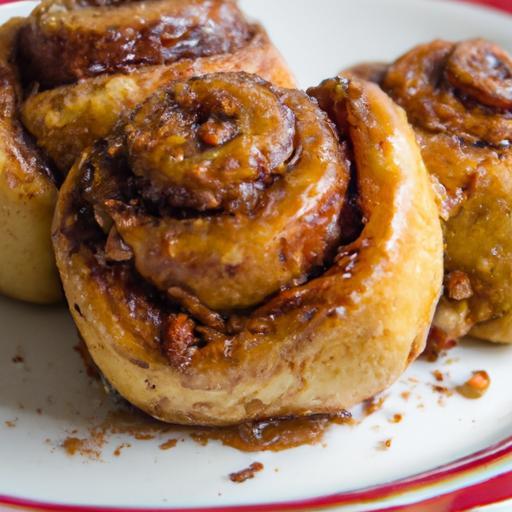
There’s a magical alchemy that transforms humble dough into irresistibly sticky buns-a delightful fusion of science and culinary artistry that turns simple ingredients into a caramelized symphony of flavor and texture. Beneath the glossy, gooey surface lies a carefully choreographed dance of sugars, heat, and fermentation, each element playing its part to create that perfect balance of softness, stickiness, and sweetness. In this article, we peel back the layers of this beloved treat, exploring the sweet science behind perfectly sticky buns and uncovering the secrets that elevate them from everyday pastry to crave-worthy indulgence.
The Chemistry of Caramelization and Its Role in sticky Bun Bliss
The Sweet Science Behind Perfectly Sticky Buns is a delicious journey into how caramelization transforms simple sugars into a rich, golden glaze that defines these buttery, gooey treats. caramelization, an essential chemical reaction, occurs when sugar molecules break down under heat, developing complex flavors and that irresistible amber hue. This process is what sets a sticky bun apart from just any cinnamon roll-delivering layers of deep, toasted sweetness that cling beautifully to tender dough beneath.
Understanding this chemical magic allows you to master not only texture but that coveted glassy finish that makes sticky buns so adorable and addictive. It’s a fine balance of timing and temperature, ensuring the melting sugars do not burn but rather create a luscious, sticky coating that nourishes every bite.
Mastering Dough texture for the Ultimate Tender Bite
Achieving the ultimate tender bite means crafting dough with the right balance of elasticity and softness. The foundation for sticky buns lies in a well-developed gluten network, facilitated by kneading, resting, and proofing at just the right moments. using ingredients like whole milk and melted butter contributes to a soft crumb, while the addition of an egg enriches the dough, lending it a delicate crumb structure and slight chewiness. Patience in allowing the dough to rise fully is crucial; underproofed dough results in dense, dry buns, while overproofed dough can collapse or become gummy.
Balancing Sweetness and Spice for Flavor Harmony
Sticky buns shine brightest when the sugary glaze and warm spices like cinnamon, nutmeg, and a subtle pinch of cloves work in harmony. The sweetness from brown sugar and honey combines with aromatic spices to create a symphony of flavor that is never cloying but deeply comforting. To elevate this balance, add a touch of freshly grated citrus zest or a splash of vanilla extract to the filling-these nuances lift the caramelized notes and provide a fresh contrast to the sticky richness.
Techniques for Achieving a gooey, Glassy Finish Every Time
The hallmark of perfectly sticky buns is their gooey, glassy finish, a caramel glaze that’s both visually stunning and irresistibly luscious. Achieving this means starting with quality sugars-brown sugar paired equally with a mild corn syrup or honey helps maintain smooth caramelization without crystallizing. When melting the sugars with butter, be sure to whisk continuously and cook just until the mixture bubbles gently. Pour the caramel syrup evenly into the pan before arranging the buns, allowing the gooey mixture to envelop and seep into the layers during baking.
Once baked, let the buns rest for about 10 minutes before inverting the pan. This pause is essential to let the sticky topping set slightly, ensuring a shiny, glassy coat without the caramel sliding away. With this technique mastered, your kitchen will fill with the intoxicating scent of toasted sugar and spice – a true sensory reward.
Prep and Cook Time
- Prep Time: 30 minutes (plus 1.5 hours inactive rise)
- Cook time: 25-30 minutes
- Total Time: Approximately 2 hours
Yield
Makes 12 perfectly sticky, tender buns
Difficulty Level
Medium – Perfect for bakers ready to take on a rewarding challenge
Ingredients
- 3 ½ cups all-purpose flour, sifted
- ½ cup whole milk, warmed
- ¼ cup granulated sugar
- ¼ cup unsalted butter, melted, plus extra for greasing
- 2 ¼ tsp active dry yeast (1 packet)
- 1 large egg, room temperature
- 1 tsp fine sea salt
- 1 cup dark brown sugar, packed
- ½ cup unsalted butter, softened (for filling)
- 2 tbsp honey or light corn syrup (for caramel)
- 2 tbsp ground cinnamon
- ¼ tsp ground nutmeg
- 1/8 tsp ground cloves (optional)
- 1 tsp pure vanilla extract
- Zest of 1 orange (optional, for flavor depth)
Instructions
- Activate the yeast: In a small bowl, combine the warm milk and granulated sugar. Sprinkle yeast on top, stir gently, and let sit 5-10 minutes until foamy. This confirms your yeast is alive and ready.
- Mix the dough: In a large bowl, whisk together the flour and salt. Add the melted butter, egg, and vanilla extract to the yeast mixture. Pour wet ingredients into the flour mixture and stir until a shaggy dough forms.
- Knead the dough: Turn dough onto a lightly floured surface and knead for 8-10 minutes until smooth and elastic. The dough should be soft but not sticky.
- first rise: Grease a large bowl,place the dough inside,and cover with a damp towel.Let it rise in a warm, draft-free area for 1 to 1.5 hours, or until doubled in size.
- Prepare the filling: Mix softened butter with brown sugar, cinnamon, nutmeg, cloves, and orange zest until evenly combined.
- Shape the buns: Punch down risen dough and roll it into a 16×12-inch rectangle. Spread the filling mixture evenly across the surface.
- Roll and slice: Starting from the long side, tightly roll dough into a log. Using a sharp knife, cut into 12 equal pieces and set aside.
- make the caramel base: In a small saucepan over low heat, melt ½ cup butter with honey and 1 cup brown sugar, whisking until smooth and bubbly. Pour evenly into a greased 9×13-inch baking pan.
- Arrange and proof: Place buns cut-side down into the caramel base, leaving slight gaps to expand. Cover loosely and let rise for 30-40 minutes.
- Bake: Preheat oven to 350°F (175°C). Bake buns for 25-30 minutes, until golden and bubbly. Avoid overbaking to maintain gooey texture.
- Invert and serve: Let buns cool 10 minutes, then invert pan onto serving dish so the caramel glaze coats the top. Serve warm.
Tips for Success
- Use room temperature ingredients for even yeast activation and dough consistency.
- Don’t rush the rise times; they are key to tender, fluffy buns.
- To avoid crystallized caramel, whisk continuously and remove from heat as soon as it bubbles.
- If caramel hardens too quickly, warm pan gently before adding dough to prevent cracking.
- Make-ahead option: Assemble buns, cover tightly, refrigerate overnight, then bake fresh in morning.
Serving Suggestions
Serve these sticky buns warm, ideally fresh from the oven, paired with a dollop of whipped cream or a light drizzle of vanilla glaze. Garnish with chopped pecans or toasted walnuts for added crunch, and a sprinkle of flaky sea salt to balance sweetness.For a festive touch, add freshly grated orange zest or a dusting of cinnamon atop each bun. These sticky buns are perfect alongside a rich cup of chai tea or bold coffee, making them ideal for weekend brunch or special gatherings.

| Nutritional Info (per bun) | amount |
|---|---|
| Calories | 320 kcal |
| Protein | 5 g |
| Carbohydrates | 45 g |
| Fat | 12 g |
For more advanced bread baking techniques, explore our detailed guide on How to Make the Perfect Cinnamon Rolls. To deepen your understanding of caramelization chemistry, this ScienceDirect article on caramelization offers thorough insights.
Q&A
The Sweet Science Behind Perfectly Sticky buns: Q&A
Q1: What makes sticky buns so irresistibly sticky and delicious?
A1: The gooey,caramelized glaze that clings to sticky buns is a brilliant blend of sugar,butter,and ofen brown sugar or honey. When heated, these ingredients undergo Maillard reactions and caramelization, creating rich, deep flavors and that luscious, sticky texture that’s both sweet and slightly chewy.Q2: How does the type of sugar affect the stickiness and flavor of the topping?
A2: Different sugars bring unique characteristics. Brown sugar, with its molasses content, adds moisture and a complex, toffee-like flavor, enhancing stickiness. White sugar caramelizes more crisply,while honey or maple syrup contribute floral or earthy notes,plus a softer,stickier finish.The choice shapes the bun’s final aroma and mouthfeel.
Q3: Why is butter essential in creating the perfect sticky bun topping?
A3: Butter not only adds richness but also helps dissolve sugars and facilitates caramelization by providing fat. This fat coats the sugars and dough, creating that tender exterior and soaking-in effect that results in the iconic shine and sticky texture. Without butter, the topping could taste flat or become grainy instead of smooth and luscious.
Q4: Can the dough itself influence how sticky the buns turn out?
A4: Absolutely! A well-hydrated, slightly enriched dough-think milk, eggs, and a touch of fat-creates a soft, airy crumb that absorbs the sticky topping without becoming soggy. The dough’s texture balances the dense caramel layer, ensuring a perfect bite every time.
Q5: How crucial is timing and temperature in baking sticky buns?
A5: Crucial! Baking at the right temperature ensures the topping caramelizes without burning, and the dough cooks through evenly. Removing the buns from the oven at just the right moment allows the glaze to set softly while still sticky. Cool too long, and the glaze hardens; eat too soon, and it might be overly runny.
Q6: Are there vegan alternatives that still deliver that classic sticky bun taste and texture?
A6: Definitely! Using plant-based butter substitutes along with coconut sugar or maple syrup can replicate the richness and sweetness.Dairy-free milk keeps the dough tender, while flax or chia eggs act as effective binders. Thoughtful substitutions preserve the magic of stickiness without compromising flavor or texture.
Q7: What role do nuts play in sticky buns,beyond just adding crunch?
A7: Nuts such as pecans or walnuts contribute a toasted,buttery note that complements the caramel glaze wonderfully. They also provide a contrasting texture-crisp against soft dough-and their natural oils mingle with the topping, enhancing its flavor depth and richness.
Q8: How can home bakers prevent sticky buns from sticking too much to the pan?
A8: A well-greased pan is key-using butter or a nonstick spray helps. Many also line the pan with parchment paper or silicone mats for easy release. Another tip is to invert the buns shortly after baking, letting the glaze drip and spread evenly without sticking to the pan’s surface.
Q9: Is there a secret ingredient or technique that elevates sticky buns from good to unforgettable?
A9: The “secret” frequently enough lies in slow caramelization and layering flavors. Some bakers add a pinch of salt to the topping to heighten sweetness, or a splash of vanilla or citrus zest for complexity. Using a lower oven temperature for a longer bake allows sugars to develop deep, nuanced caramel notes that sing with every bite.
Q10: What’s the best way to store sticky buns to maintain their signature stickiness?
A10: Store them in an airtight container at room temperature for up to two days to keep the glaze soft and gooey. For longer storage, refrigerate and gently reheat to revive the sticky texture. Avoid plastic wrap tight against the buns to prevent moisture buildup, which can make the texture soggy rather than delightfully sticky.
By understanding the chemistry and the craft behind sticky buns, you can turn your kitchen into a sweet science lab, whipping up batches of perfectly sticky, utterly irresistible buns every single time!
Wrapping Up
As the irresistible aroma of caramelized sugars and warm spices fills the kitchen, it becomes clear that the magic of perfectly sticky buns is more than just a recipe-it’s a delicate dance of science and art. From the precise chemistry of yeast fermentation to the meticulous layering of buttery dough and gooey glaze, every step is a sweet symphony of ingredients and technique. So next time you bite into a sticky bun that pulls apart with tender resilience and glistens with syrupy allure, remember-the secret lies in understanding the science that turns simple ingredients into an unforgettable treat. Embrace the alchemy, and let your kitchen be the laboratory were sticky bun perfection is always within reach.