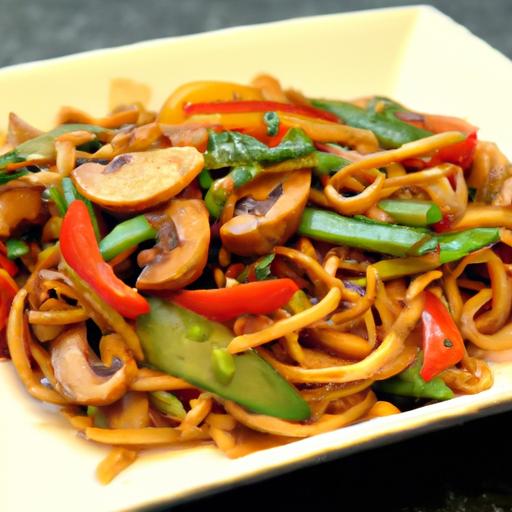

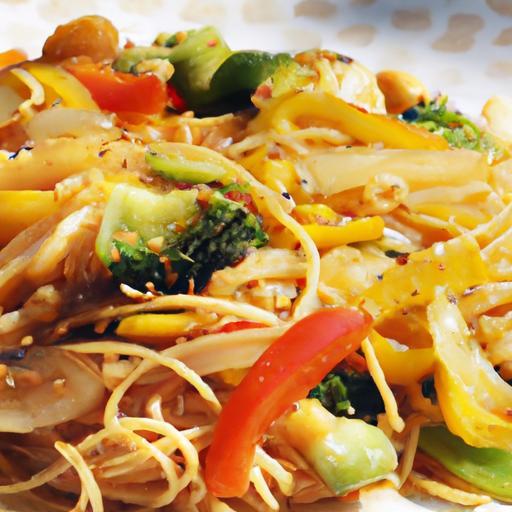
In the vast tapestry of global cuisine, few dishes boast the global charm and rich history of chow mein. More than just a stir-fried noodle dish, chow mein is a flavorful journey that weaves together centuries of culture, tradition, and innovation. From savory soy-infused strands to the satisfying crunch of fresh vegetables, each bite tells a story of culinary craftsmanship and regional flair. Join us as we unravel the origins, variations, and irresistible allure of chow mein-unveiling the secrets behind this beloved noodle that has captured taste buds around the world.
Chow Mein Unveiled is not just a dish; it’s a vibrant celebration of noodles, flavors, and cultures woven into every perfectly stir-fried strand. Originating from China, chow mein has journeyed across continents, evolving with each culture that embraced it, creating countless beloved variations worldwide. From the crisp-edged noodles of American-Chinese cuisine to the saucier versions of Hong Kong, this dish carries stories of migration, local tastes, and culinary ingenuity.
Prep and Cook Time
- Preparation: 15 minutes
- Cooking: 10 minutes
- Total: 25 minutes
Yield
serves 4 generous portions
Difficulty Level
Medium – requires attention to timing and noodle handling
Ingredients
- 8 oz fresh chow mein noodles (or substitute with thin egg noodles)
- 2 tablespoons vegetable oil (preferably peanut or canola)
- 1 cup shredded carrots
- 1 cup finely sliced cabbage
- 1 cup snow peas, trimmed
- 3 green onions, cut into 1-inch strips
- 2 cloves garlic, minced
- 1 tablespoon ginger, fresh grated
- 1/4 cup soy sauce (light soy preferred)
- 1 tablespoon oyster sauce (vegetarian if preferred)
- 1 teaspoon toasted sesame oil
- 1 teaspoon cornstarch dissolved in 2 tablespoons water
- Optional: red chili flakes or fresh sliced chilies for heat
- Fresh cilantro or chopped toasted sesame seeds for garnish
Instructions
- Prepare the noodles: If using fresh chow mein noodles, separate them gently with yoru fingers. If using dried, cook according to package instructions until al dente, then rinse under cold water to stop cooking and drain thoroughly.
- Heat the wok or large skillet: Add 1 tablespoon vegetable oil over high heat until shimmering but not smoking, ensuring a hot surface essential for wok hei (the breath of the wok).
- Stir-fry aromatics: Add minced garlic and grated ginger; sauté for 30 seconds until fragrant, stirring constantly to avoid burning.
- Add the vegetables: Toss in the carrots, cabbage, and snow peas. Stir-fry briskly for about 2-3 minutes until crisp-tender but vibrant and colorful.
- Push veggies aside: Move the vegetables to the sides of the wok, add remaining oil, and place noodles in the center. Allow the noodles to sit undisturbed for about 1 minute for light browning, then gently toss to mix with vegetables.
- Season the stir-fry: Pour in soy sauce, oyster sauce, and sesame oil.Stir quickly to coat every strand, infusing bold layered flavors.
- Thicken the sauce: Add the cornstarch slurry, stirring constantly. The sauce will thicken slightly, silkily clinging to noodles and veggies.
- Finish with green onions: toss in the green onions and optional chili flakes, stir for another 30 seconds, and immediately remove from heat to retain crunch and freshness.
Tips for Success
- Choose the right noodles: Fresh chow mein noodles yield the best texture-springy with slight chew. if unavailable, dry thin egg noodles can work but must be drained and cooled well.
- Manage heat carefully: High heat is critical to achieving the characteristic sear and texture.Preheat your wok thoroughly, but avoid letting oil smoke excessively.
- Don’t overcrowd: Stir-frying is fast; overcrowding leads to steaming, which softens noodles and dulls flavors.
- Customize with protein: To add chicken, beef, or tofu, marinate briefly with soy sauce and cornstarch, then stir-fry before veggies for optimal tenderness.
- Make-ahead: Prep all ingredients in advance. Cook and rinse noodles earlier, then toss everything together swiftly when ready.
Serving Suggestions
Serve this exquisitely textured chow mein direct from the wok,piled high onto warmed plates. Garnish with freshly chopped cilantro or toasted sesame seeds for a fragrant finish. Pair it with steamed dumplings or a light cucumber salad for a balanced meal.To elevate presentation, a wedge of lime on the side adds a subtle zest that cuts through the rich soy notes.

Exploring Chow Mein Unveiled Nutritional Data
| Nutrient | Per Serving |
|---|---|
| Calories | 320 kcal |
| Protein | 8 g |
| Carbs | 45 g |
| Fat | 10 g |
If you want to dive deeper into Chinese cooking techniques or noodle-based recipes, check out our Ultimate Guide to Chinese Stir-Fry.For past context on Asian noodle dishes, this britannica article on noodles offers a fascinating overview.
Q&A
Chow Mein Unveiled: A flavorful Journey Through noodles – Q&A
Q1: What exactly is chow mein, and how did it become a global favorite?
A: Chow mein, which literally means “fried noodles” in mandarin, is a beloved Chinese dish featuring stir-fried noodles tossed with vegetables, proteins, and savory sauces. Originating from northern China, its adaptability and bold flavors helped it transcend borders, becoming a staple in Chinese eateries worldwide. Its vibrant combination of textures and tastes makes chow mein a truly global culinary ambassador.
Q2: What types of noodles are typically used in chow mein?
A: Chow mein noodles are usually thin, egg-based wheat noodles that can be either soft or crispy styled. Soft noodles are stir-fried until tender and slightly chewy, while crispy chow mein involves frying the noodles until golden and crunchy, creating a delightful contrast when topped with saucy vegetables and proteins.
Q3: Which vegetables elevate the texture and flavor of chow mein?
A: Classic vegetables include crisp cabbage,tender bean sprouts,crunchy bell peppers,crunchy julienned carrots,and fragrant scallions.Mushrooms and water chestnuts are also popular for their earthiness and crunch, adding layers of flavor and texture that complement the noodles perfectly.
Q4: What proteins pair harmoniously with chow mein, excluding pork?
A: Chicken, beef, shrimp, tofu, and even egg omelet slices are popular choices. These proteins soak up the savory-sweet sauce beautifully and provide satisfying substance without overpowering the delicate balance of flavors in the dish.
Q5: How do regional differences influence chow mein recipes?
A: Northern chinese variants frequently enough feature thicker noodles and heartier flavors, while southern styles tend to be lighter, with thin noodles and a brighter palette of vegetables.Outside China,chow mein adapts to local tastes-whether it’s Americanized versions with sweeter sauces or Southeast Asian twists incorporating chili and lime-showcasing its versatile nature.
Q6: What role does the sauce play in chow mein’s signature taste?
A: The sauce is the soul of chow mein, typically a harmonious blend of soy sauce, oyster sauce (or vegetarian alternatives), sesame oil, garlic, and ginger.This combination creates a savory,slightly sweet,and aromatic coating that binds the noodles and ingredients together in a flavorful embrace.
Q7: Can chow mein be made vegetarian or vegan without losing its essence?
A: Absolutely! Replacing animal proteins with tofu or tempeh and using vegetable-based sauces allows chow mein to shine as a vegetarian or vegan delight. Crisp vegetables, fragrant spices, and perfectly stir-fried noodles ensure that the dish remains rich in both flavor and texture.
Q8: Any tips for home cooks aiming to master chow mein?
A: Key tips include using high-heat cooking methods like a wok for that signature wok hei (breath of the wok) flavor, prepping all ingredients beforehand for a swift stir-fry, not overcrowding the pan, and balancing the sauce to complement but not overpower the noodles. Fresh noodles work best, but good-quality dried noodles can also be delicious with proper preparation.
Q9: How can one enjoy chow mein beyond the typical dinner plate?
A: Chow mein is wonderfully versatile-try it as a filling for lettuce wraps,a topping for crisp salads,or even in spring rolls. Leftovers make great fried noodle bowls topped with a fried egg, perfect for breakfast or a fast lunch.
Q10: Why does chow mein remain such a beloved dish across so many cultures?
A: Its magic lies in simplicity and adaptability-comforting noodles, fresh vegetables, savory sauces, and endless protein options. Whether celebrating customary roots or embracing creative reinventions, chow mein invites everyone to share in its flavorful, colorful, and joyful culinary journey.
Future Outlook
As our flavorful journey through the world of chow mein draws to a close, it’s clear that these humble noodles carry far more than simple sustenance-they embody a rich tapestry of history, culture, and culinary innovation. From sizzling woks in bustling street stalls to elegant plates in fine dining establishments, chow mein continues to captivate taste buds around the globe. Whether you savor it as a quick comfort meal or a gourmet adventure,understanding its origins and variations deepens the appreciation of each savory bite. So next time you twirl those golden strands onto your fork, remember you’re partaking in a delicious story that’s been unfolding for centuries-a story that’s as dynamic and diverse as chow mein itself.