



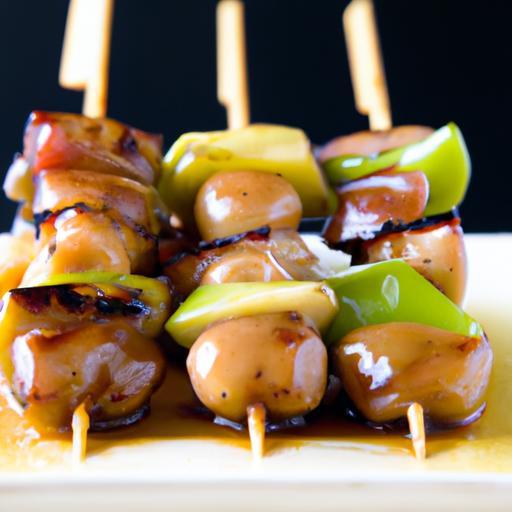
In the bustling streets of Japan, were tradition meets sizzling innovation, a humble culinary treasure has captured the hearts-and appetites-of locals and travelers alike: yakitori. These perfectly grilled skewers, glazed with savory sauces and kissed by charcoal flames, are more than just street food; they’re a cultural ritual wrapped in bite-sized perfection. “Yakitori Unveiled: Japan’s Grilled Skewer Delight Explained” invites you on a flavorful journey beneath the smoky surface, exploring the history, techniques, and regional nuances that make this simple dish an remarkable emblem of Japanese cuisine.Whether you’re a seasoned foodie or a curious newcomer, prepare to discover the art and soul behind every skewer.
Yakitori Unveiled: Japan’s Grilled skewer Delight Explained
Yakitori unravels a rich tapestry of Japanese culinary art, blending simplicity with profound cultural resonance. This beloved grilled skewer dish is not just a street food staple but also a celebration of heritage, craftsmanship, and flavor harmony. Whether savored on bustling izakaya counters or under the soft glow of lantern-lit alleys, yakitori captivates both locals and travelers alike with its smoky aroma and tender bites.
Origins and Cultural Importance of Yakitori in Japanese Cuisine
Originating in the Edo period, yakitori began as a humble meal made by grilling small pieces of chicken. Its popularity surged post-World War II when the rise of yakitori stalls became a symbol of affordable nourishment amidst Japan’s rapid urbanization. More than just grilled chicken, yakitori embodies communal dining and conviviality, frequently enough enjoyed alongside cold beer or sake in casual social retreats. each skewer tells a story-from regional cuts prized for texture to seasoning styles deeply rooted in local tastes.
Essential Ingredients and popular Skewer Varieties to Savor
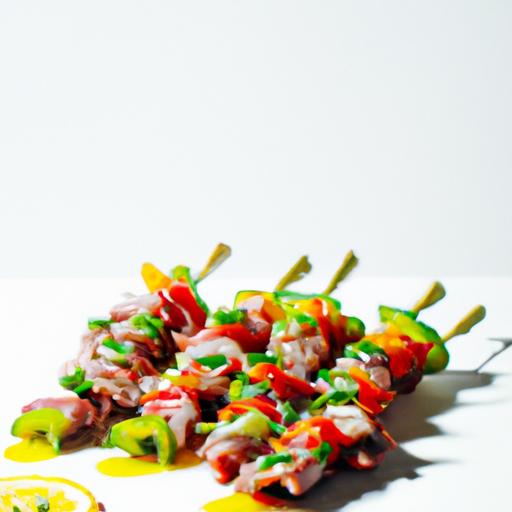
At the heart of yakitori lies fresh chicken, traditionally using various parts such as thigh, breast, and the often-ignored yet flavorful tsukune (ground chicken meatballs). Complemented by crunchy green onions and sometimes shiitake mushrooms or shishito peppers,the skewers become a medley of textures and tastes. The two quintessential seasonings-tare (a sweet soy-based glaze) and shio (simple salt)-offer versatility and enable novice cooks to customize flavor profiles effortlessly.
Mastering the Art of Yakitori Grilling Techniques and Flavor Pairings
Perfection in yakitori grilling is achieved thru patience and precision.Using a binchotan charcoal grill or a suitable high-heat source creates that signature smokiness. The key lies in indirect heat grilling, turning skewers frequently to sear the exterior while sealing juicy tenderness inside. basting with tare during the last few minutes ensures a glossy, caramelized coat bursting with umami. For those new to this art, starting with thigh meat is recommended because of its forgiving texture and rich flavor. Pair yakitori with crisp Japanese pickled vegetables or a bowl of steamed rice to balance the grilled intensity.
Top Spots and Insider Tips for Experiencing Authentic Yakitori in Japan
Exploring neighborhoods like Tokyo’s Omoide Yokocho or Osaka’s Dotonbori district reveals yakitori at its finest. These bustling streets boast myriad stalls and small eateries where chefs rigorously hone their craft. Insider tip: seek out places that specialize in momo (thigh) or negima (chicken and scallion), indicators of house expertise. Visiting during evening hours promises vibrant atmospheres filled with locals sharing laughs and savoring freshly grilled skewers straight from the fire. Don’t hesitate to order “omakase” style, trusting the chef to select seasonal and premium cuts, elevating your yakitori adventure.
Prep and Cook Time
- Preparation Time: 20 minutes
- Cooking Time: 15 minutes
- Total Time: 35 minutes
Yield
Serves 4 as an appetizer or light meal
Difficulty Level
Medium – requires attention to grilling technique and timing
ingredients
- 500g boneless, skin-on chicken thighs, cut into 1-inch pieces
- 8 green onions, trimmed and cut into 2-inch lengths
- 1/2 cup tare sauce (see instructions below)
- 1 tbsp sea salt
- 8 bamboo skewers, soaked in water for 30 minutes
- Optional garnish: shichimi togarashi (Japanese seven spice), lemon wedges
Tare Sauce ingredients
- 1/2 cup soy sauce
- 1/4 cup mirin
- 2 tbsp sake
- 2 tbsp sugar
Instructions
- Prepare the tare sauce: In a small saucepan over medium heat, combine soy sauce, mirin, sake, and sugar. Stir until sugar dissolves.Simmer gently for 10 minutes until slightly thickened. Remove from heat and set aside to cool.
- Thread the skewers: Alternate threading chicken pieces and green onions onto each soaked bamboo skewer, leaving a bit of space for even cooking.
- Preheat the grill: Use a charcoal grill or a grill pan over medium-high heat. Ensure the grates are clean and well-oiled to prevent sticking.
- Season and grill: For shio-style yakitori, sprinkle skewers lightly with sea salt.Grill over medium heat, turning every 2-3 minutes to achieve a crispy exterior without burning. Total cook time per skewer is about 8-10 minutes.
- tare glaze: For tare-style, brush the skewers repeatedly with the sauce during the last 4-5 minutes of grilling. This layer-by-layer glazing builds a shiny, caramelized finish.
- Rest and serve: Remove skewers from heat and let rest for 2 minutes before plating to allow juices to redistribute.
Chef’s Notes
- Variation: Try adding mushrooms or shishito peppers for extra texture and flavor diversity on the skewers.
- Substitution: For a lighter option, use chicken breast; just be mindful to not overcook as it dries out faster.
- Troubleshooting: If your skewers char too quickly, reduce heat and move the grill to indirect zones.
- Make-ahead: Skewers can be assembled a few hours in advance and refrigerated; bring to room temperature before grilling.
Serving Suggestions
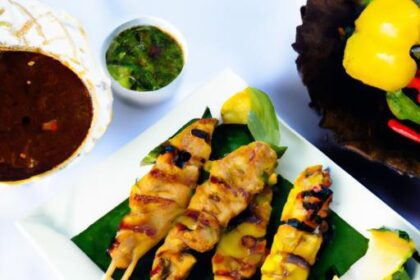
Present yakitori on a long ceramic platter with a sprinkling of shichimi togarashi for a gentle heat accent and a wedge of lemon on the side to brighten flavors. Complement with cold Japanese beer or sake for a conventional pairing. Freshly steamed rice and pickled cucumbers provide refreshing balance, turning this into a satisfying meal or appetizer experience.
 grilled skewer delight explained with perfectly grilled chicken skewers” class=”wp-image-1234″ style=”max-width:100%;height:auto;”/>
| Nutrient | Per Serving |
|---|---|
| Calories | 280 kcal |
| Protein | 35 g |
| Carbohydrates | 8 g |
| Fat | 10 g |
Discover more traditional Japanese grilling techniques and culture in our guide to Japanese Grilling Techniques.
Q&A
Yakitori Unveiled: Japan’s Grilled Skewer Delight Explained - Q&A
Q1: What exactly is yakitori?
A1: Yakitori is a beloved Japanese culinary tradition featuring bite-sized pieces of chicken grilled on skewers. These savory morsels are typically seasoned with either a salt-based spice blend or a sweet-and-savory soy sauce glaze, creating a harmonious balance of flavors that dance on the palate.
Q2: How did yakitori become so popular in Japan?
A2: Yakitori’s rise began in the early 20th century as street vendors and izakaya (Japanese pubs) started specializing in these affordable, rapid-to-eat skewers. Over time, it evolved from simple grilled chicken to a dynamic dish with a variety of cuts and seasonings, making it a staple snack for social gatherings and after-work relaxation.
Q3: What parts of the chicken are commonly used in yakitori?
A3: Every part of the chicken has its place in yakitori! Popular choices include thigh meat for its juicy richness, tender breast pieces, flavorful skin, and even more adventurous cuts like liver, heart, and gizzard. this variety offers a complex tasting experience, combining textures that range from tender to crisp.
Q4: What types of seasonings and sauces are traditional for yakitori?
A4: Yakitori is traditionally seasoned with two main styles: shio (salt) and tare (a luscious sauce). Shio highlights the natural flavors of the chicken with just a sprinkle of salt and sometimes a pinch of sansho pepper. Tare is a delectable sauce made from soy sauce,mirin,sugar,and sake,caramelized over the grill,adding a sticky,sweet-savory glaze that captivates the senses.
Q5: Are vegetables ever used in yakitori?
A5: Absolutely! While chicken is the star, yakitori often includes vegetables like shiitake mushrooms, green onions (negi), bell peppers, and shishito peppers threaded between the meat. These veggies provide bursts of freshness and a lovely contrast to the smoky glaze of the grill.
Q6: How is yakitori traditionally cooked?
A6: The magic of yakitori happens over hot charcoal coals. Cooking skewers over binchotan, a premium Japanese white charcoal, imparts a subtle smokiness and allows for precise temperature control. The chef’s skill shines as they turn the skewers, basting with sauce or seasoning to ensure that perfect caramelization and juicy tenderness.
Q7: Is yakitori only eaten in restaurants, or can it be enjoyed elsewhere?
A7: Yakitori is wonderfully versatile! It’s savored at specialized yakitori bars, lively izakayas, street food stalls, festivals, and even home barbeques. its portable skewer form makes it an ideal dish for sharing among friends or grabbing a quick snack on the go.
Q8: Can someone make yakitori at home? Any tips?
A8: Definitely! While the authentic flavor gets a boost from charcoal grilling, home cooks can mimic the effect using a grill pan or outdoor grill. Key tips include soaking bamboo skewers beforehand to prevent burning, cutting chicken into uniform pieces for even cooking, and brushing liberally with tare sauce during grilling to build layers of flavor. Experimenting with different chicken parts can also bring delightful new tastes to your homemade yakitori adventure.
Q9: What cultural significance does yakitori hold in Japan?
A9: Yakitori is more than just food; it’s a symbol of casual conviviality. Sharing skewers at an izakaya after work fosters camaraderie and relaxation. It represents the art of simple ingredients elevated through skillful cooking and communal enjoyment, embodying Japan’s thankfulness for balance, seasonality, and social harmony.
Q10: Are there regional variations of yakitori in Japan?
A10: Yes,variations abound! Some regions emphasize particular cuts or choose different seasonings. For example,certain areas might grill skewers with a more intense smoky flavor or offer unique dipping sauces. These regional twists celebrate local tastes while honoring the timeless essence of yakitori.
Whether you’re a curious foodie or an adventurous home cook, yakitori offers a delicious glimpse into Japanese culinary artistry-small skewers packed with flavor, history, and unforgettable social spirit. Time to grab some sticks and fire up the grill!
Future outlook
As the final embers of your yakitori grill fade away, the story behind these humble skewers lingers – a vivid tapestry of tradition, craftsmanship, and flavor that epitomizes Japan’s culinary spirit. From simple chicken morsels glazed with savory tare to inventive regional twists, yakitori is more than just food; it’s a social ritual, a celebration of community, and a testament to the art of grilling over open flames.
Whether enjoyed at a bustling izakaya or crafted carefully at home, yakitori invites us to savor not only its mouthwatering taste but also the rich cultural heritage it carries on each charred skewer. So next time you bite into that tender, smoky morsel, remember: you’re partaking in a centuries-old delight – an edible story that continues to unite taste buds and hearts across Japan and the world.