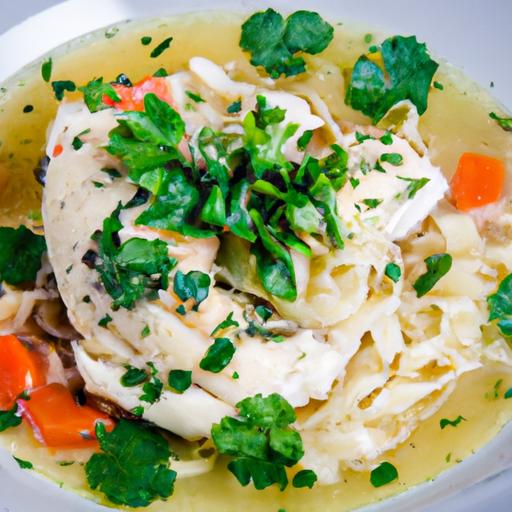


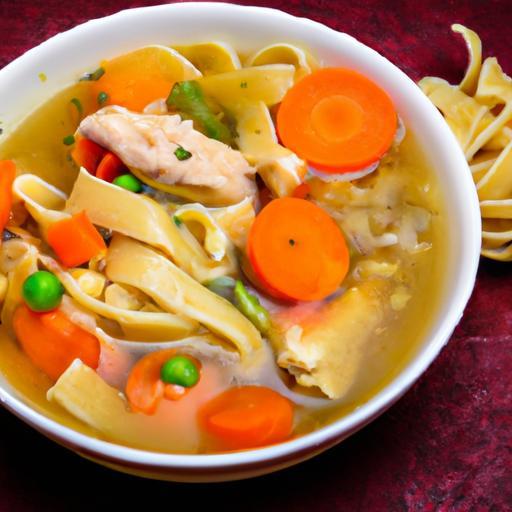
Few dishes evoke as much warmth and nostalgia as a steaming bowl of classic chicken noodle soup. This timeless comfort food transcends generations, weaving together simple ingredients into a harmonious melody of flavors that soothes both body and soul. Weather served on a chilly evening or as a remedy for a weary day,mastering the art of chicken noodle soup is about more than just following a recipe-it’s about capturing the essence of home-cooked care and the magic that happens when tradition meets technique. In this article,we’ll explore the secrets to creating the perfect broth,tender chicken,and satisfying noodles,ensuring your next pot of chicken noodle soup becomes an enduring comfort for all seasons.
Selecting the Perfect Ingredients for a Rich and Flavorful Broth
Timeless Comfort: Mastering the Classic Chicken Noodle Soup begins with an remarkable broth-its heart and soul. To capture that deep, nurturing essence, focus on quality ingredients that build layers of flavor naturally and elegantly.Opt for a whole chicken or meaty parts like thighs and drumsticks, as their collagen-rich bones and skin yield a luscious mouthfeel unmatched by lean breast meat alone.
Fresh, organic vegetables-crisp carrots, aromatic celery, and sweet onions-contribute essential sweetness and texture, while whole garlic cloves and sprigs of fresh thyme and parsley elevate the bouquet with subtle herbal notes. Don’t forget a pinch of cracked black peppercorns and a bay leaf for depth. Using cold, filtered water ensures clarity and purity, setting the stage for the broth to sing. Slow simmering unlocks gelatin from bones, resulting in a golden, silky broth that cradles every spoonful with warmth and comfort.
Techniques to Achieve the Ideal Noodle Texture every Time
Nothing completes this dish like perfectly cooked noodles that hold their texture-neither mushy nor underdone.Whether you prefer egg noodles or hand-cut ribbons, timing and technique are key. Add noodles only in the last few minutes of cooking, directly into the hot broth, to allow them to cook fully while soaking up flavor.Avoid boiling them separately to prevent starchy water from clouding your broth. Stir gently to prevent sticking, and watch them closely; fresh noodles demand just 3 to 5 minutes to reach that tender, elastic bite.
For dried noodles, always check the package’s recommended cooking time but test a strand a minute or two earlier to prevent overcooking. This approach guarantees a satisfying chew and a perfect balance with tender chicken and crisp vegetables.
balancing Seasonings to Elevate Customary Comfort
Achieving balance demands a mindful but unspoiled seasoning approach.Salt is pivotal-it awakens each ingredient while marrying the broth’s components. begin with a modest amount, seasoning gradually and tasting frequently as the broth reduces and intensifies.Black pepper adds warmth and dimension without overpowering. To brighten and round the flavors,a splash of fresh lemon juice or a hint of grated ginger can lend a vibrant lift without compromising the soul of this classic comfort dish. Remember, the goal is harmony: savory, aromatic, lightly herbal, with a touch of brightness to invite every spoonful. This interplay transforms a simple pot of soup into an unforgettable memory.
Creative Twists That Honor Tradition While Adding Fresh Dimensions
While honoring the heritage of classic chicken noodle soup, subtle innovations can renew excitement. Consider swapping traditional egg noodles for house-made zucchini ribbons for a lighter, nutrient-packed choice. Incorporate roasted garlic for caramelized sweetness or add a handful of finely chopped fresh dill or tarragon during the final stages for a fragrant lift. For an umami boost, a splash of mushroom broth or a few dried shiitake mushrooms cooked in the base enhances depth. Even adding a scattering of toasted pumpkin seeds or crushed pistachios at serving adds pleasing texture contrast.These twists enrich the foundation without veering from the comforting essence that makes this soup synonymous with warmth and healing.
Prep and Cook Time
- Prep Time: 20 minutes
- Cook Time: 1 hour 30 minutes (includes broth simmer)
Yield
Serves 6 generous bowls
Difficulty Level
Medium – Requires attention but rewarding results
Ingredients
- 1 whole organic chicken (about 3.5-4 lbs), cleaned
- 3 medium carrots, peeled and cut into 1-inch chunks
- 3 celery stalks, cut into 1-inch pieces
- 1 large yellow onion, peeled and quartered
- 4 cloves garlic, peeled and lightly crushed
- 1 bay leaf
- 1 teaspoon black peppercorns, cracked
- 2 sprigs fresh thyme
- 2 sprigs fresh parsley
- 12 cups cold filtered water
- 3 cups wide egg noodles (fresh or dried)
- Salt, to taste
- Freshly ground black pepper, to taste
- Optional: 1 tablespoon fresh lemon juice or grated ginger (for finishing)
Instructions
- Prepare the broth: in a large stockpot, place the whole chicken and cold filtered water. Slowly bring to a boil over medium heat. As it begins to bubble, skim off any foam or impurities that rise to the surface for a clear broth.
- Add aromatics: Once skimmed, add carrots, celery, onion, garlic, bay leaf, peppercorns, thyme, and parsley. Reduce heat to low and simmer gently, covered partially, for about 1 hour to 1 hour 15 minutes-until the chicken is tender and fully cooked. Avoid a rolling boil to maintain clarity.
- Remove chicken: Carefully lift the chicken out and set aside to cool. Strain the broth through a fine-mesh sieve into a clean pot, discarding vegetables and herbs.
- Shred chicken: When cool enough to handle, remove skin and bones from the chicken and shred the meat into bite-sized pieces. Reserve.
- Season broth: Taste the broth and season with salt and freshly ground black pepper, adjusting slowly to avoid over-salting.
- Add noodles: Bring the seasoned broth back to a gentle simmer and add the egg noodles. Stir occasionally to prevent sticking. Cook for the recommended time on the package or until noodles are tender but still firm, about 3 to 5 minutes.
- Finish with chicken: Once noodles are nearly cooked, add the shredded chicken back to the pot to warm through.
- Optional final touch: Stir in fresh lemon juice or grated ginger for a subtle luminous note that complements tradition.
- Serve: Ladle into warmed bowls and garnish with freshly chopped parsley or dill for a vibrant finish.
Chef’s Notes & Tips for Success
- Simmering the broth gently ensures clarity and richness; avoid fast boiling to prevent cloudiness.
- Use fresh herbs and add them early to infuse gentle flavor without overpowering.
- For gluten-free options, substitute noodles with spiralized vegetables or gluten-free pasta varieties.
- The soup can be made ahead: store broth and shredded chicken separately and combine when reheating to preserve noodle texture.
- If broth tastes flat, a pinch of mushroom powder or a dash of soy sauce (gluten-free if preferred) can subtly enhance umami depth.
- Leftover broth freezes well-perfect for swift, comforting meals anytime.
Serving Suggestions
Serve steaming hot in deep bowls to emphasize that nurturing warmth. for a classic presentation, garnish with a sprinkle of fresh flat-leaf parsley or dill, and a few twists of cracked black pepper. Offer crusty bread or a garlic baguette on the side for dipping. For a fresh dimension, include lemon wedges on the table so guests can customize brightness. A simple drizzle of high-quality extra virgin olive oil adds subtle richness just before serving, enhancing mouthfeel and aroma.

| Nutrient | Per Serving |
|---|---|
| Calories | 280 kcal |
| Protein | 25 g |
| Carbohydrates | 20 g |
| fat | 8 g |
For more recipes on wholesome,comforting dishes,explore our Hearty Homestyle meals collection. To deepen your knowledge of broth techniques, visit this expert guide on Serious Eats.
Q&A
Q&A: Timeless comfort – Mastering the Classic Chicken Noodle Soup
Q1: What makes chicken noodle soup a timeless comfort food?
A1: Chicken noodle soup has long been a symbol of warmth and healing. Its simple yet flavorful ingredients-tender chicken, aromatic vegetables, hearty noodles, and savory broth-combine to create a bowl that soothes both body and soul.The nostalgia tied to family recipes and cozy memories elevates it beyond just a meal,making it truly timeless.
Q2: How can I achieve the richest broth for my chicken noodle soup?
A2: The secret to a rich broth lies in patience and quality ingredients. Start with a whole chicken or chicken parts with bones, like thighs or drumsticks, which release natural gelatin and flavor.Simmer gently with classic aromatics-onions, carrots, celery, garlic, and fresh herbs like thyme and bay leaves-for at least an hour. Resist the urge to rush; a slow simmer extracts depth and clarity, resulting in a broth that’s comforting and full-bodied.
Q3: What’s the best type of noodle to use in chicken noodle soup?
A3: Traditional egg noodles or slender pasta shapes like ditalini work beautifully as they absorb the broth without becoming mushy. Fresh homemade noodles add a tender,pillowy texture that feels extra special.Remember to cook noodles separately or add them at the very end to maintain their perfect bite and prevent overcooking.
Q4: How do I keep my chicken pieces tender and juicy in the soup?
A4: To keep chicken tender, cook it gently and avoid boiling aggressively. Removing the chicken from the pot once it’s cooked, then shredding or cutting it before returning it to the soup helps maintain texture. If you add the chicken too early or boil it vigorously, the meat can become tough and dry.
Q5: Can I make chicken noodle soup ahead of time? How should I store it?
A5: Absolutely! Chicken noodle soup tastes even better the next day as the flavors meld beautifully.Store the soup and noodles separately to avoid soggy pasta-refrigerate both in airtight containers. When reheating, warm the soup first, then add the noodles. This method preserves the noodle texture and keeps your soup fresh and inviting.
Q6: How can I add extra layers of flavor without overpowering the classic taste?
A6: Subtle additions can enhance the soup without overshadowing its essence. A splash of lemon juice brightens the broth, a sprinkle of fresh parsley or dill adds herbaceous notes, and a dash of freshly cracked black pepper offers gentle spice. You can also roast the vegetables beforehand for a hint of caramelized sweetness, deepening the soup’s complexity.
Q7: Is chicken noodle soup suitable for all seasons, or is it just a winter dish?
A7: While chicken noodle soup is frequently enough associated with cold days and colds, it’s a versatile comfort food for any season.Its nourishing qualities are welcome during chilly winters and its light, fresh profile can be refreshing on cooler spring evenings. Served slightly chilled or at room temperature, it transforms into a gentle reminder of home, no matter the time of year.
Q8: What are some common mistakes to avoid when making chicken noodle soup?
A8: Avoid overcooking the noodles to prevent mushiness,and don’t rush the broth-making process-flavor takes time.Skipping salting the broth properly is another pitfall; it’s crucial to season gradually and taste often.lastly,neglecting to strain the broth can result in a cloudy soup-straining ensures a clear,inviting base that highlights every other ingredient.
Q9: How can I make my chicken noodle soup more nutritious without changing its character?
A9: Boost nutrition by adding finely chopped leafy greens like spinach or kale toward the end of cooking-they wilt quickly and integrate seamlessly. You can also increase the vegetable content with diced parsnips or leeks, which add vitamins and subtle sweetness. Keeping the balance of ingredients preserves the soup’s classic identity while enhancing its health benefits.
Q10: what’s the cultural significance of chicken noodle soup around the world?
A10: Chicken noodle soup holds a special place in many cultures as a healing and communal dish. From American kitchens to Asian variations featuring ginger and daikon, its essence is universally tied to nourishment and care. This shared affinity reflects food’s power to comfort, connect, and sustain across generations and geographies.
To Conclude
As the steam rises gently from your bowl of classic chicken noodle soup, you’re not just savoring a meal-you’re embracing a timeless tradition of comfort and care. Mastering this recipe is more than following steps; it’s about understanding the delicate balance of flavors that transform humble ingredients into a heartwarming experience. Whether it soothes a cold day or simply nurtures the soul, this classic soup remains a steadfast companion through seasons and stories alike. So, next time you ladle out a bowl, remember: you’re partaking in a culinary ritual that has comforted generations-and will continue to do so, one appetizing spoonful at a time.