


There’s something enchanting about the delicate dance of batter on a hot griddle-the way it spreads thin and cooks to a golden lace, ready to be filled with endless possibilities. Crepes, those versatile and elegant French pancakes, have captured taste buds around the world with their delicate texture and subtle flavor. Whether sweet or savory, simple or sophisticated, mastering the art of crepes opens the door to a culinary tradition rich with history and creativity.
In this article, we’ll explore not only mouthwatering recipes that range from classic to inventive but also essential tips and techniques to help you perfect every crepe you make. Prepare to embark on a delicious journey where the humble crepe transforms into a canvas for culinary artistry.
Mastering the perfect crepe batter techniques unlocks a world of culinary delight, where each thin, lacy pancake is a blank canvas for both sweet and savory creativity. The art of creating the ideal texture-delicate yet resilient-lies in balancing simple ingredients with attentive planning, allowing the natural flavor of each crepe to shine through. Having spent years refining this craft, I can confidently say that the right batter, combined with thoughtful fillings and expert flipping, transforms humble ingredients into an elegant dish celebrated worldwide.
Prep and Cook Time
- Preparation: 15 minutes
- Resting the Batter: 30 minutes
- Cooking: 20 minutes
- Total time: 1 hour 5 minutes
Yield
Approximately 12-14 crepes (depending on size)
Difficulty Level
Medium – requires some practice for ideal batter consistency and flipping technique.
Ingredients
- 1 cup all-purpose flour, sifted
- 2 large eggs, room temperature
- 1 1/4 cups whole milk, warmed slightly
- 2 tablespoons unsalted butter, melted, plus extra for the pan
- 1 tablespoon granulated sugar (optional, for sweet crepes)
- 1/4 teaspoon fine sea salt
- 1 teaspoon pure vanilla extract (optional, for sweet crepes)
instructions
- Combine dry ingredients: In a large mixing bowl, whisk together the sifted flour, sugar (if using), and salt until even.
- Mix wet ingredients: In a separate bowl, beat the eggs. Add warm milk,melted butter,and vanilla extract (if using). Whisk until smooth.
- Gradually combine: Slowly pour the wet mixture into the dry ingredients, whisking continuously to avoid lumps. The batter should be thin and flowing like heavy cream; if too thick, add a little more milk, one tablespoon at a time.
- Rest your batter: Cover the bowl with plastic wrap and refrigerate for at least 30 minutes. This step is crucial as it allows the gluten to relax and the flour to hydrate, ensuring tender crepes.
- Preheat and grease your pan: Use a reliable non-stick crepe pan or a 10-inch skillet over medium heat.Lightly brush melted butter on the surface before pouring batter for the first crepe.
- Cook the crepes: Pour 1/4 cup of batter into the center of the pan. promptly tilt and swirl the pan in a circular motion to spread the batter thinly and evenly.
- Watch for bubbles: Cook until the edges lift lightly from the pan and the surface looks set but not wet, about 1-2 minutes. Flip carefully using a thin,flexible spatula or your fingers (after the first few crepes,the batter releases more easily).
- second side: Cook for an additional 30 seconds to 1 minute until golden spots appear.transfer to a warm plate.Repeat with remaining batter, adding butter to the pan as needed.
Tips for Success
- Achieve the perfect batter: use room temperature eggs and warm milk to blend smoothly.Avoid overmixing to keep the texture light.
- Resting is key: A rested batter creates more tender crepes with fewer tears.
- Temperature control: Keep your pan at medium heat; too hot will cause crepes to burn before cooking through, too low will dry them out.
- Flipping finesse: Use a thin spatula designed for crepes or practice flipping in the air once comfortable. Adding a light coating of butter each time prevents sticking.
- Make-ahead options: stack crepes between parchment paper sheets and refrigerate for up to 2 days. Rewarm gently in a skillet or microwave before filling.
- Variations: For gluten-free crepes, substitute to a gluten-free flour blend. Coconut milk or almond milk can replace dairy for a vegan twist (add cornstarch for better binding).
Exploring Sweet and Savory Fillings
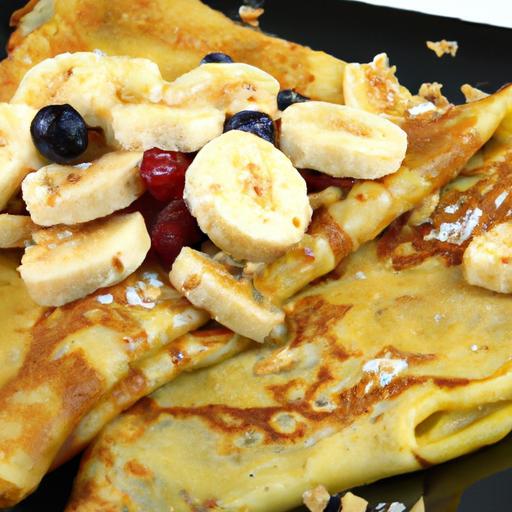
Once your crepe batter is perfected, the possibilities blossom with fillings. classic sweet options like fresh berries, whipped cream, lemon zest with powdered sugar, or a drizzle of hazelnut spread bring bright, luscious flavors. For savory crepes, experiment with sautéed mushrooms, aged cheeses, fresh herbs, and lightly seasoned spinach or roasted vegetables. The thin crepe acts as a delicate wrapper, creating a balanced interplay of textures.
Essential Cooking Tips and Tools for Flipping Crepes Like a Pro
Investing in a high-quality non-stick crepe pan with low edges makes swirling and flipping effortless. A small offset spatula helps lift edges delicately without tearing. Practice swirling the batter immediately after pouring to ensure an even layer-this motion is what creates the signature delicate crepe lacy pattern. To build confidence, start with smaller crepes before progressing to larger sizes.
Creative Presentation Ideas to Impress Family and Friends
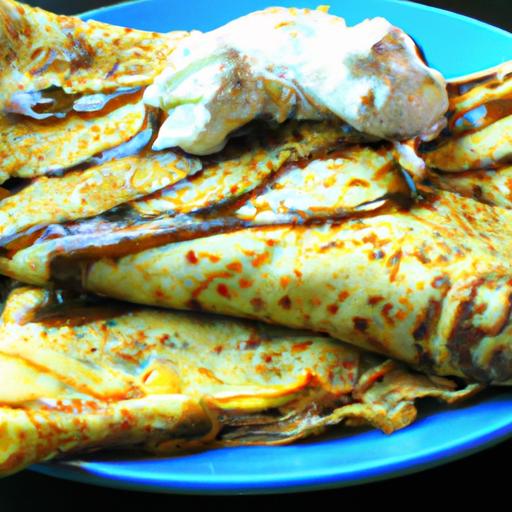
For memorable serving,roll or fold crepes into elegant triangles layered on a plate or create little savory parcels tied with chives for a refined touch. Garnish sweet crepes with edible flowers, a dusting of cocoa powder, or a spoonful of homemade fruit compote.Layered crepe cakes with alternating fillings dazzle visually and delight the palate. Pair with fresh mint leaves or a vanilla bean-infused sauce to elevate the table setting.

| Nutrient | Per Crepe (approx.) |
|---|---|
| Calories | 90 |
| Protein | 4g |
| Carbohydrates | 12g |
| Fat | 3.5g |
For more inspired breakfast ideas, check out our comprehensive Easy Brunch Recipes. Dive deeper into culinary techniques with resources like Serious Eats’ Crepe Batter Guide for advanced tips.
Q&A
Q&A: The Art of Crepes – Delicious Recipes and culinary Tips
Q1: What makes crepes different from regular pancakes?
A1: Crepes are delightfully thin and tender, unlike the fluffier and thicker texture of regular pancakes. Their delicate nature allows them to be incredibly versatile, serving as both sweet treats and savory dishes. The batter usually contains fewer leavening agents, which results in that signature light, pliable texture perfect for rolling, folding, or layering.
Q2: What is the secret to making the perfect crepe batter?
A2: Balance and rest are key! A simple blend of flour, eggs, milk, a pinch of salt, and a little melted butter creates the classic base. Whisk the ingredients until smooth, then let the batter rest for at least 30 minutes in the fridge. This resting period relaxes the gluten and allows the flour to fully hydrate, yielding crepes that cook evenly and won’t tear.
Q3: How do I cook crepes evenly without sticking to the pan?
A3: A well-seasoned non-stick skillet or a dedicated crepe pan is essential.Heat it over medium,then lightly grease with butter or neutral oil. pour just enough batter to thinly coat the pan, swirl to cover the bottom in one smooth motion, and cook until the edges lift easily and the surface appears set. Flip quickly and cook the other side for only a few seconds-crepes cook fast!
Q4: Can crepes be made ahead of time? How should I store them?
A4: Absolutely! Once cooked, stack crepes separated by parchment or wax paper, wrap tightly in plastic wrap, and refrigerate for up to 2 days. For longer storage, freeze them layered the same way in airtight bags for up to 2 months. Reheat gently in a warm skillet or microwave wrapped in a damp towel to keep them soft and supple.
Q5: What are some creative savory fillings for crepes?
A5: The savory possibilities are endless! Think sautéed mushrooms with garlic and herbs, creamy spinach and ricotta, roasted vegetables with a drizzle of balsamic glaze, or a classic combination like melted cheese with caramelized onions. For a protein kick, consider fillings like smoked salmon with cream cheese and dill or seasoned grilled chicken with fresh arugula and a squeeze of lemon.
Q6: How can I elevate my dessert crepes to impress guests?
A6: Start by using quality seasonal fruit-fresh berries, caramelized bananas, or poached pears lend natural sweetness and vibrant color.Add a touch of vanilla or citrus zest to your batter for aroma. Consider drizzling with homemade fruit coulis, sprinkling toasted nuts, or folding in a scoop of ice cream to bring warmth and chill together. The art is in layering flavors and textures with care.
Q7: Are there tips for making gluten-free or vegan crepes?
A7: definately! For gluten-free crepes, rice flour, buckwheat flour, or oat flour make excellent substitutes-buckwheat, especially, shines in savory recipes. Vegan crepes replace eggs with flaxseed or chia “eggs” (1 tbsp ground seeds mixed with 3 tbsp water), and use plant-based milk and oils. These adjustments yield crepes that are just as tender and flexible as the customary kind, with their own unique charm.
Q8: How important is the pan temperature during cooking?
A8: Crucial! Too hot, and the crepe will brown too quickly or burn; too cool, and it won’t set properly or develop those delicate golden spots. Medium heat is your sweet spot-hot enough to cook efficiently but gentle enough to allow the crepe to remain tender and lightly browned. Adjust as you go, and trust your instincts once you get a feel for how the batter bubbles and edges lift.
Q9: Can crepes be used in dishes beyond breakfast or dessert?
A9: Absolutely-the crepe’s versatility makes it a canvas for all-day dining. Try layering them in a savory crepe lasagna with béchamel and roasted veggies, or roll them around spiced lentils and herbs for a satisfying lunch wrap. For brunch, fill with eggs and fresh herbs or top with sautéed greens. The delicate texture and subtle flavor invite culinary creativity beyond the plate.
Q10: What’s a simple way to add flair to homemade crepes?
A10: Presentation and finishing touches go a long way! Fold crepes into elegant triangles, roll them into cylinders, or stack them layered with colorful fillings. Sprinkle edible flowers, dust lightly with powdered sugar or cinnamon, and serve with elegantly drizzled sauces to create mouthwatering visuals. Remember, eating with your eyes enhances every bite.
Embrace the artistry of crepes, and you’ll find that this humble batter transforms into endless delights – from cozy breakfasts to gourmet feasts!
Future Outlook
as the delicate aroma of golden crepes fills your kitchen and the last bite melts effortlessly on your tongue, you’ve truly stepped into the timeless art of crepe-making. From humble batter to culinary canvas, crepes invite endless creativity – whether draped in sweet fruit, folded with savory fillings, or adorned with a drizzle of chocolate and a sprinkle of powdered sugar. With the recipes and tips shared here, you’re now equipped to master this classic French delight and infuse your own flair into every fold.So go ahead, embrace the graceful dance of batter and pan, and let your crepes tell a story of flavor, tradition, and joyful indulgence. Bon appétit!