
Ther’s a comforting warmth in every bite of an oatmeal cookie-a nostalgic crunch mingled with hearty, wholesome flavors that have delighted taste buds for generations. but behind this beloved treat lies a rich tapestry of history, from humble origins in Scottish kitchens to a global pantry staple. “Oatmeal Cookies Uncovered: Appetizing History adn Baking Tips” invites you on a journey through time and taste, revealing the secrets that make these cookies both timeless and endlessly adaptable. Whether you’re a seasoned baker or a curious crumb-taster, prepare to uncover the stories, the science, and the simple joys that transform oats, sugar, and spice into a truly unforgettable cookie experience.
The Origin and Evolution of Oatmeal Cookies Through the Ages
Oatmeal cookies uncovered have long enchanted bakers and dessert lovers alike. Emerging from humble Scottish roots, these cookies originally served as a wholesome, sustaining treat for laborers, celebrating oats-their hearty, nutritious grain. Over centuries, oatmeal cookies have evolved from rustic, dense morsels into the beloved spectrum of chewy and crispy delights gracing kitchens worldwide today.
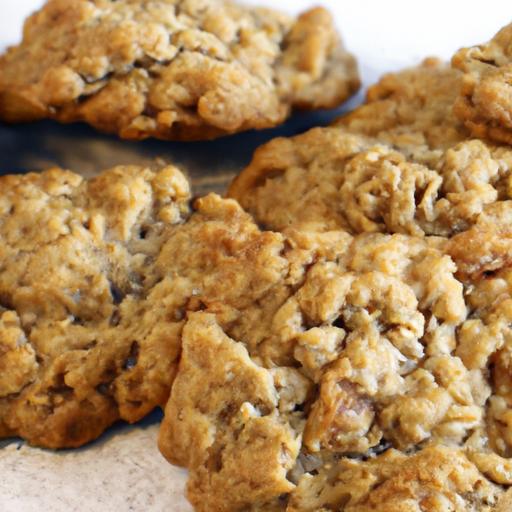
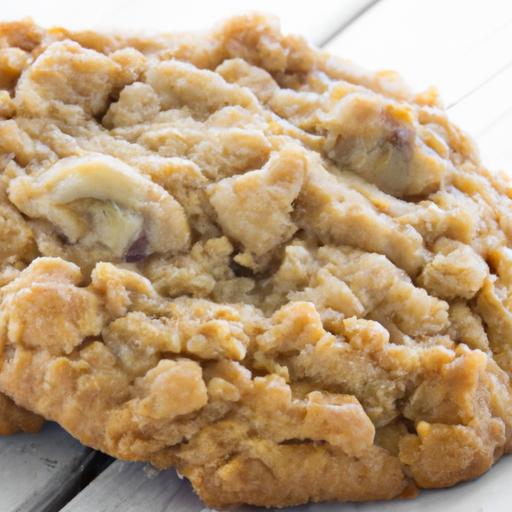
What makes oatmeal cookies so special is their unique texture-offering the perfect balance of a golden crisp edge with a tender,chewy center. This irresistible contrast was refined through time by experimenting with oat varieties, fats, and sweeteners, turning a simple grain into a versatile canvas for flavor and texture.
Secrets Behind the Classic Chewy and Crispy Texture
The secret to mastering the chewy and crispy duality lies in the chemistry of ingredients and baking technique. Rolled oats add bite and chew,while swift oats lead to softer,more tender results. The sugar balance also influences texture; brown sugar, rich in molasses, locks in moisture promoting chewiness, and granulated sugar encourages crispness through caramelization.
Using melted vs. softened butter also changes the cookie’s mouthfeel-melted butter promotes spread and chewiness, whereas creamed butter tends toward fluffier, crisper cookies. An critically important technique is to slightly underbake at the edges and remove cookies while centers remain soft to achieve that iconic texture harmony.
Choosing the perfect Oats and Ingredients for Flavorful Results
Investing in quality oats is vital for oatmeal cookies uncovered with full,complex flavor. Old-fashioned rolled oats are preferred for their texture and toasting capability during baking, which unlocks nutty notes and retains pleasant chew. For variation, you might add steel-cut oats for a rustic bite or blend in quick oats to soften the crumb.
Complement these with pure vanilla extract, a pinch of cinnamon or nutmeg for warmth, and a touch of salt to balance sweetness. High-quality, unsalted butter embeds richness, while brown sugar contributes moisture and deeper flavor complexity. For added dimension, consider mix-ins like toasted nuts, dried fruit, or dairy-free chocolate chips to complement the oat’s mellow earthiness.
Expert Baking Tips to Elevate Your Oatmeal Cookie Game
To elevate your oatmeal cookies uncovered, always measure ingredients precisely-especially flour and oats-to avoid dense results.Chill your dough at least 30 minutes before baking; this helps control spreading and improves texture.Line baking sheets with parchment paper or silicone mats to promote even baking and prevent scorching.
Keep a close eye during baking as oatmeal cookies can shift quickly from perfectly chewy to overdone. Adjust cooking time based on your oven and preferences by testing one cookie first. Lastly, cool cookies on wire racks outside of the pan to maintain crisp edges while ensuring chewy centers stay moist.
Prep and Cook Time
- Planning: 15 minutes
- Chill dough: 30 minutes
- Baking: 10-12 minutes
- Total Time: Approximately 57 minutes
Yield
about 24 classic oatmeal cookies, depending on size
Difficulty Level
Easy to Medium – approachable for bakers with some basic experience
Ingredients
- 1 cup unsalted butter, softened
- 1 cup packed light brown sugar
- ½ cup granulated sugar
- 2 large eggs
- 1 ½ tsp pure vanilla extract
- 1 ¾ cups all-purpose flour, sifted
- 1 tsp baking soda
- 1 tsp ground cinnamon
- ½ tsp kosher salt
- 3 cups old-fashioned rolled oats
- 1 cup chopped toasted walnuts or pecans (optional)
- 1 cup dairy-free chocolate chips or raisins (optional)
Instructions
- Preheat the oven to 350°F (175°C). line baking sheets with parchment paper or silicone liners for even baking.
- Cream the softened butter, brown sugar, and granulated sugar in a large bowl until light and fluffy, about 3-5 minutes, scraping down the sides occasionally.
- Beat in eggs one at a time, followed by the vanilla extract, mixing until fully incorporated.
- In a seperate bowl, whisk together the sifted flour, baking soda, cinnamon, and salt.
- Gradually add the dry ingredients to the wet mixture, stirring on low speed just until combined-avoid overmixing to keep cookies tender.
- Fold in the rolled oats until evenly distributed. Add nuts and chocolate chips or raisins if using.
- Cover the dough and chill for at least 30 minutes to solidify fats and prevent excessive spreading during baking.
- Scoop dough using a tablespoon or cookie scoop onto baking sheets spaced about 2 inches apart.
- Bake for 10-12 minutes, or until edges turn golden brown but centers appear slightly undercooked-this ensures chewiness.
- Cool cookies on the baking sheet for 5 minutes before transferring them to a wire rack to finish cooling entirely.
Tips for Success
- Substitute rolled oats with a 50/50 mix of rolled and quick oats for a softer cookie texture.
- For crispier edges, slightly flatten dough balls before baking.
- Chilling dough improves flavor melding and controls spread-don’t skip this step.
- For nut-free options, replace nuts with extra chocolate chips or dried cranberries.
- If cookies spread too much, reduce butter by 2 tablespoons or chill dough longer.
Serving Suggestions
Present oatmeal cookies on a rustic wooden board accompanied by a small bowl of creamy plant-based vanilla ice cream or a hot cup of chai tea. Garnish with a light dusting of powdered cinnamon or scatter toasted oat clusters around the plate for added texture contrast and visual appeal. They also pair beautifully with fresh berries or a drizzle of honey for subtle sweetness.
| Nutrient | Per Cookie (approx.) |
|---|---|
| Calories | 140 kcal |
| Protein | 2 g |
| Carbohydrates | 20 g |
| Fat | 6 g |
Discover more wholesome baking inspiration in our Healthy Homemade Granola guide, perfect to pair with your oatmeal cookie cravings. For an authoritative history on oats and their nutritional impact, visit the Oldways Whole Grains Council.

Q&A
Q&A: Oatmeal Cookies Uncovered: Delicious History and Baking Tips
Q1: Where do oatmeal cookies originally come from?
A1: Oatmeal cookies trace their roots back to Scotland, where oats where a staple grain due to the region’s cooler climate and rocky soil, less suited for wheat. Scottish cooks made simple oat cakes to fuel hardworking farmers and travelers. These humble oat cakes eventually transformed into the sweet,chewy oatmeal cookies we know and love today,especially after crossing the atlantic and evolving in American kitchens.
Q2: What makes oatmeal cookies different from regular sugar or chocolate chip cookies?
A2: The key difference lies in the oats themselves. Oats add a distinctive texture and hearty bite, along with a rich, nutty flavor. They also lend a bit more chewiness and often a slightly nutty aroma that sets oatmeal cookies apart. Plus, oats bring a nutritional boost – including fiber and minerals – making these cookies feel a little more wholesome than the average cookie.
Q3: What type of oats should I use for baking oatmeal cookies?
A3: Rolled oats are the classic choice for oatmeal cookies, as their flat, flake-like shape provides the perfect balance of chew and structure. Old-fashioned rolled oats work best, giving the cookie that satisfying texture without making it too dense or crumbly. Quick oats can be used for a softer, more cake-like cookie, but avoid steel-cut oats-they’re too coarse and won’t blend well into the dough.
Q4: How do I keep oatmeal cookies chewy instead of crunchy?
A4: Several tricks help maintain that chewy texture: include a little brown sugar (which adds moisture), avoid overbaking (remove cookies when edges are set but centers still look slightly soft), and consider adding an extra egg yolk for richness. Additionally, chilling the dough before baking helps prevent spreading and promotes chewiness.
Q5: Can oatmeal cookies be made gluten-free?
A5: Absolutely! Since oats themselves are naturally gluten-free, the key is using certified gluten-free oats to avoid cross-contamination. Simply swap out regular flour for a gluten-free blend designed for baking, and you’re on your way to delicious gluten-free oatmeal cookies that don’t compromise on texture or flavor.
Q6: What are some creative add-ins beyond the classic raisins?
A6: While raisins have been the traditional companion to oats, the possibilities for add-ins are endless! Try dried cranberries, chopped nuts like walnuts or pecans, seeds such as sunflower or pumpkin, or even dark chocolate chips. For a seasonal twist, shredded coconut or dried apricots add distinctive flavors that make your oatmeal cookies truly unique.
Q7: what causes oatmeal cookies to spread too much in the oven, and how can I prevent it?
A7: Excess warmth in the dough or too much butter can cause cookies to spread aggressively. To prevent this, chill your dough for at least 30 minutes before baking – this firms it up and curbs spreading. Also, use precise measurements for butter and flour, and avoid oven temperatures that are too low, which can encourage cookies to flatten.
Q8: Are oatmeal cookies considered a healthy snack?
A8: While oatmeal cookies certainly offer some nutritional benefits from oats and any healthy add-ins like nuts, they remain a sweet treat with sugar and fats. The key is moderation and mindful ingredient choices. For a slightly healthier version, reduce sugar, use natural sweeteners, and incorporate wholesome add-ins like seeds or dried fruits.
Q9: How far in advance can I make oatmeal cookie dough and still bake fresh cookies later?
A9: You can prepare oatmeal cookie dough up to three days in advance if stored tightly covered in the refrigerator. This resting period actually helps flavors meld and improves texture. If you want to keep it longer, freeze the dough in portions for up to three months – just thaw in the fridge before baking.
Q10: What’s the best way to store baked oatmeal cookies to maintain freshness?
A10: Store your baked cookies in an airtight container at room temperature.Adding a slice of bread or a few apple slices in the container helps keep the cookies moist by absorbing excess air moisture, extending their chewy freshness for several days. For longer storage, freeze the cookies in a sealed bag, and thaw them at room temperature before serving.
The Way Forward
From humble beginnings as a hearty, simple snack to the beloved treat found in kitchens worldwide today, oatmeal cookies carry a rich history woven into every chewy, golden bite. Whether you’re drawn to their rustic charm, the comforting aroma they fill your home with, or the endless possibilities for creative add-ins, these cookies invite both tradition and innovation into your baking routine. So next time you reach for that classic recipe or experiment with new flavors, remember that you’re part of a centuries-old story-one spoonful of oats at a time. happy baking, and may your oatmeal cookies always come out perfectly tender, flavorful, and full of warmth.