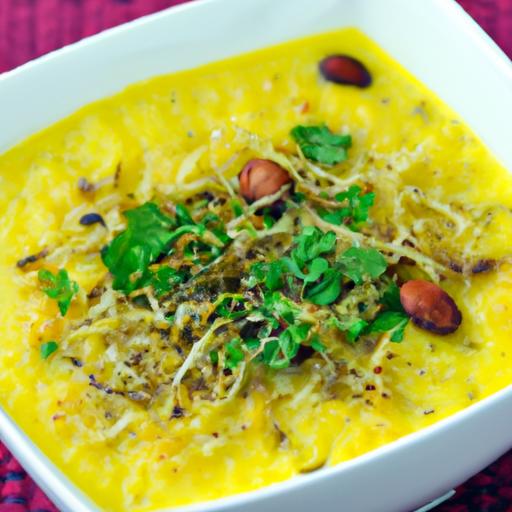




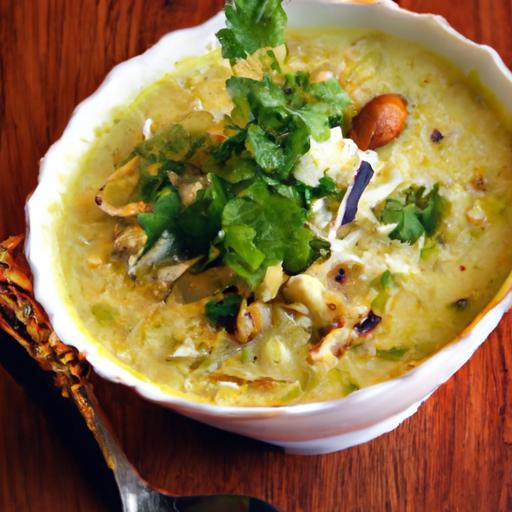
In the aromatic crossroads of history and flavor lies Haleem-a dish as rich in tradition as it is in taste. Frequently enough savored during festive gatherings and cherished family meals, Haleem is more than just a stew; it is indeed a culinary tapestry woven from centuries of cultural exchange and time-honored techniques. Join us as we unveil the story behind this savory marvel, tracing its origins from ancient kitchens to modern tables, and exploring the intricate blend of spices, grains, and slow-cooked meats that create a symphony of flavors with every bite. Embark on this savory journey through time and taste, where each spoonful tells a tale of heritage, hospitality, and heartfelt festivity.
Mastering Haleem Cooking: Ingredients and Techniques Revealed
Haleem Unveiled: A Savory Journey Through Time and Taste begins with understanding the rich, hearty nature of this iconic dish. Rooted in ancient culinary traditions across the Middle East, Central Asia, and the indian subcontinent, haleem is a labor of love that transforms humble ingredients into a velvety, aromatic stew celebrated worldwide. The magic lies in the slow melding of meats, lentils, and spices into an irresistibly creamy texture, a process both meditative and rewarding.
Prep and Cook Time
- Readiness: 30 minutes
- Cooking: 4 to 6 hours (slow simmer)
- Total Time: Approximately 5 hours
Yield
Serves 6-8 generously
Difficulty Level
Advanced – requires patience and attention to detail
Ingredients
- 1 cup cracked wheat (broken wheat/dalia)
- 1/2 cup chana dal (split chickpeas)
- 1/4 cup yellow moong dal (optional, for creaminess)
- 500g boneless mutton or beef, cubed
- 2 large onions, thinly sliced
- 1/2 cup plain yogurt, whisked
- 4 tablespoons ghee (clarified butter)
- 2 tablespoons ginger-garlic paste
- 4 cups water or meat stock
- 2 teaspoons red chili powder
- 1 teaspoon turmeric powder
- 2 teaspoons garam masala
- 1 teaspoon cumin seeds
- 1 teaspoon fennel seeds
- 3 green chilies, slit
- Salt to taste
- Fresh coriander leaves, finely chopped (for garnish)
- Thinly sliced ginger (for garnish)
- Julienned fresh mint leaves (optional, garnish)
- Fried golden onions (for topping)
Instructions
- Soak the lentils and cracked wheat in water separately for 2 hours to soften.Drain and set aside.
- Heat 2 tablespoons ghee in a heavy-bottomed pot or pressure cooker. Add cumin seeds and fennel seeds, sauté until fragrant (about 30 seconds).
- Add sliced onions and sauté on medium heat until golden brown, stirring frequently to avoid burning (about 8-10 minutes).
- Mix in ginger-garlic paste and green chilies, cooking another 2 minutes until raw aroma dissipates.
- Add the cubed mutton or beef and brown on all sides, about 5-7 minutes. Season with salt, red chili powder, and turmeric powder.
- stir in whisked yogurt gradually, simmering to prevent curdling, and cook until the meat releases its juices and begins tenderizing (about 10 minutes).
- Drain lentils and cracked wheat and add to the pot. Pour in 4 cups water or stock to cover all ingredients well.
- bring to a boil, then reduce heat to low. Cover and cook gently for 4 to 6 hours, stirring every 15-20 minutes to avoid sticking. (Alternatively, use a slow cooker for hands-off simmering.)
- As the mixture thickens and meat begins falling apart, mash gently with a wooden ladle or hand blender to achieve the signature creamy, porridge-like consistency.
- Stir in garam masala and remaining ghee. Adjust seasoning with salt and add a splash of water if to thick.
- Simmer uncovered for another 15 minutes to allow flavors to harmonize and excess moisture to reduce if needed.
- serve hot in individual bowls, garnished generously with fried onions, fresh coriander, ginger juliennes, and mint for a fragrant finish.
Tips for Success
- Use a heavy pan or Dutch oven to prevent burning and maintain even heat distribution.
- Slow, gentle cooking is key for tender meat and fully blended flavors; patience yields the best results.
- If you prefer, replace mutton with tender chicken pieces for a lighter yet richly spiced haleem variation.
- frying the onions to a deep golden brown before adding them as a garnish intensifies sweetness and texture contrast.
- This dish freezes well-store in airtight containers for up to 2 weeks and reheat gently on the stove.
- Adjust spice levels to your taste, balancing chili and garam masala for nuanced heat and warmth.
Serving Suggestions
Traditionally enjoyed as a soul-satisfying main during Ramadan or festive gatherings,haleem is best served warm with complementary sides. Accompany it with freshly squeezed lemon wedges for a touch of acidity and help brighten the rich flavors. Pair with crisp,cooling cucumber raita or a side of fresh pickles to cut through the dish’s heaviness. Soft, warm naan bread or paratha rounds out the meal, perfect for scooping the luscious haleem. Garnishes like fried shallots and julienned ginger add not only visual appeal but invigorate each bite with layers of texture and aroma.

| Nutrient | Per Serving |
|---|---|
| Calories | 430 kcal |
| Protein | 35 g |
| Carbohydrates | 30 g |
| Fat | 15 g |
For an in-depth dive into the cultural significance of haleem and additional regional recipe variations, check our guide to regional haleem variants. For historical context and health benefits of the dish’s core ingredients, visit britannica’s overview of Haleem.
Q&A
Q&A: Haleem Unveiled – A savory Journey Through Time and Taste
Q1: What exactly is haleem, and why is it considered a culinary treasure?
A1: Haleem is a rich, hearty stew made by slow-cooking a blend of grains, lentils, and meat until they merge into a luscious, porridge-like consistency.Often enjoyed during festivals and special occasions, its unique texture and complex flavors make it a beloved comfort food across many cultures. Beyond taste, haleem is treasured for its history-a dish that traces its roots to ancient Persia and has journeyed across continents, gathering regional twists along the way.
Q2: How did haleem travel from its origins to become a global favorite?
A2: Haleem’s story begins centuries ago in the Middle East, particularly around Persia, where it was originally crafted as a nourishing, wholesome meal. As traders and travelers journeyed, they carried haleem with them to South Asia, Central Asia, and beyond. Each region adapted the recipe according to local ingredients and palates,making haleem a vibrant tapestry of culinary traditions that invites everyone to taste a bit of history.
Q3: What are the core ingredients that define an authentic haleem?
A3: The heart of haleem lies in its trio of grains, lentils, and meat. Typically, wheat, barley, and various lentils such as split chickpeas come together to form the base. Meat – often tender cuts of beef,lamb,or chicken – is simmered slowly with these grains and spices like cinnamon,cardamom,and ginger. This slow-cooking process is what melds flavors and textures into the signature creamy yet fibrous harmony of haleem.
Q4: What makes the cooking process of haleem so special?
A4: Haleem’s magic is in its patient, slow simmering. Traditionally, the mixture is cooked for several hours-sometimes overnight-over low heat, with frequent stirring to ensure the ingredients break down just right. This allows the protein and starches to transform into a unified, rich texture, while the spices have time to weave their aromatic spells. It’s a testament to how time can turn simple ingredients into a feast of flavor.
Q5: how is haleem typically served and garnished?
A5: Haleem is often served steaming hot, garnished with a vibrant symphony of accompaniments.Freshly chopped coriander, fried onions, a squeeze of lemon, and a sprinkle of crushed nuts or roasted cumin elevate its flavors and add contrasting textures. These garnishes awaken each spoonful, making every bite a balanced dance of creaminess, crunch, and tang.
Q6: Are there vegetarian or vegan adaptations of haleem?
A6: Absolutely! While traditional haleem is meat-centric, expanding the recipe to vegetarian or vegan versions is a delightful exploration.Rich mushrooms,jackfruit,or hearty legumes can replace meat,simmered with the same blend of grains and spices to maintain the character of haleem. the slow-cooking technique remains essential to build that same comforting texture and depth, proving that haleem is as versatile as it is timeless.
Q7: why is haleem especially significant during festivals and communal gatherings?
A7: Haleem’s communal essence lies in its generosity and the shared labor of preparation. The long cooking process frequently enough becomes a collective affair, bringing families and communities together. During festivals like Ramadan or Muharram, haleem nourishes body and spirit alike, symbolizing unity, patience, and gratitude.Sharing haleem fosters connection-both to loved ones and to a rich culinary heritage.
Q8: Can haleem be made at home,or should it be reserved for special occasions?
A8: While haleem’s preparation can be a labor of love,modern methods and appliances make it possible to recreate this delicacy at home any time of the year. Pressure cookers and slow cookers can help shorten the process without sacrificing flavor, inviting home cooks to savor haleem’s warmth beyond festive tables. Embarking on making haleem at home can be a rewarding journey into patience, tradition, and taste.
Q9: What sensory experiences can one expect when tasting haleem for the first time?
A9: The first taste of haleem is an embrace-a warm, velvety texture that envelops the palate, rich with earthy spices and umami notes from the meat and grains. You’ll notice layers: the subtle sweetness of caramelized onions mingling with luminous citrusy hints from lemon garnish, followed by a gentle heat from spices. Each spoonful unfolds like a story told through texture, aroma, and flavor harmony.
Q10: how has haleem influenced or inspired other dishes globally?
A10: Haleem’s essence-a meticulous blend of grains, legumes, and meat slow-cooked to perfection-has inspired an array of dishes that celebrate similar principles of comfort and complexity.From stews and porridges in various cultures to modern fusion bowls, haleem’s influence shines in the art of combining simple elements into something profoundly satisfying.It’s a culinary muse encouraging chefs and home cooks alike to honour tradition while embracing creativity.
This Q&A invites readers to not only understand haleem’s rich history and flavor profile but also to appreciate the soulful labor and cultural connection simmering within every bowl.
The Way Forward
As the rich aroma of Haleem lingers in our senses, we come to appreciate that this humble dish is far more than a mere meal-it is a tapestry woven from centuries of history, culture, and communal spirit. From ancient kitchens to modern tables, Haleem stands as a flavorful bridge connecting tradition with contemporary tastes, inviting each of us to savor not just its comforting blend of spices and textures, but also the stories simmering beneath every bite. So, whether you’re a curious food explorer or a devoted epicurean, Haleem offers a timeless journey through taste that continues to unite palates and hearts across the world.