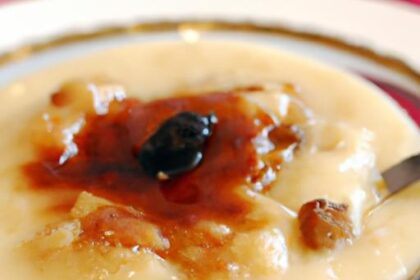

There’s something deeply comforting about a dish that has stood the test of time, weaving its way through generations and kitchens with the same warm familiarity. Hasty pudding, frequently enough dismissed as humble or old-fashioned, is one such culinary treasure-a simple blend of ingredients that transforms into a creamy, soothing delight. In this guide,we’ll journey back to the roots of this classic recipe,exploring its origins,variations,and tips for turning basic pantry staples into a timeless comfort food. Whether you’re discovering hasty pudding for the first time or seeking to revive a nostalgic favorite, prepare to savor a taste of history that’s as nourishing today as it was centuries ago.
Classic Hasty Pudding Recipe: A Timeless Comfort Food guide invites you to explore one of America’s oldest and most beloved desserts, a dish steeped in rich history and cultural warmth. Originating from Colonial New England, this humble pudding was once a staple for settlers who relied on cornmeal and simple ingredients to soothe the soul during harsh winters. Over centuries, hasty pudding has evolved yet retained its creamy allure and nostalgic simplicity that makes it a comforting staple on countless tables.
Prep and Cook Time
Preparation: 10 minutes
Cooking: 30 minutes
Total Time: 40 minutes
Yield
Serves 6 generous portions
Difficulty Level
Easy - Perfect for cooks at any skill level eager to craft a traditional treat.
Essential Ingredients
- 1 cup fine yellow cornmeal, preferably stone-ground for authentic texture
- 4 cups whole milk, warmed
- 1 cup heavy cream
- 1/3 cup pure maple syrup or light brown sugar
- 1 teaspoon pure vanilla extract
- 1/2 teaspoon salt
- 2 tablespoons unsalted butter, softened
traditional Preparation Techniques
The secret to a luscious, smooth hasty pudding lies in patiently cooking the cornmeal slowly while whisking constantly to avoid lumps. Early cooks prepared it by stirring over gentle heat for the perfect balance of thickness and creaminess-a technique you’ll master right here.
Instructions
- Warm the milk and cream: In a medium heavy-bottomed saucepan, gently warm the milk and heavy cream over medium-low heat until just simmering-small bubbles will appear at the edges.
- Mix cornmeal and salt: While heating, in a separate bowl, combine the cornmeal and salt, ensuring even dispersion to prevent clumps later.
- Slowly whisk in cornmeal: Gradually sprinkle the cornmeal into the warm milk mixture while whisking vigorously. This step is crucial to achieving a smooth texture with no lumps.
- Simmer gently: Reduce heat to low and cook, stirring constantly with a wooden spoon or heatproof spatula. The mixture will thicken gradually, about 25-30 minutes, developing a rich, custard-like consistency. Avoid rushing to prevent scorching.
- Add butter and sweetener: Once thickened, remove from heat and stir in the softened butter, maple syrup, and vanilla extract. The butter adds a velvet finish while the maple syrup provides a gentle sweetness and warmth.
- Cool slightly before serving: transfer pudding to a serving dish or individual bowls. It can be enjoyed warm or chilled, adapting beautifully to both preferences.
Tips for Achieving the Perfect Creamy Texture Every Time
- Always use slow heat to prevent lumps and scorching; stirring constantly is key.
- For even creamier pudding, replace 1 cup of milk with half-and-half, enhancing richness without overpowering.
- Attach a whisk for initial mixing, switching to a wooden spoon once thickening begins to maintain texture.
- don’t substitute cornmeal with corn flour; coarse or fine cornmeal retains the authentic grainy warmth characteristic of this classic dish.
- For easy cleanup, soak yoru saucepan immediately after cooking to loosen any stuck grain residue.
Creative Variations to Elevate Your Classic Hasty Pudding
While the original recipe charms with simplicity, experimenting opens new pathways of flavor and presentation:
- Spiced Twist: Infuse the milk with a cinnamon stick and a few cloves before cooking-remove before adding cornmeal for a warmly spiced pudding.
- Berry Compote Topping: Serve with a spoonful of fresh mixed berry compote or sautéed apples spiced with cinnamon for a seasonal contrast.
- Maple Nut Crunch: Garnish with toasted pecans or walnuts drizzled with a touch of maple syrup, adding delightful texture and nutty richness.
- Vegan Adaptation: Replace dairy with coconut milk and swap butter for coconut oil-expect a tropical, velvety variant that retains classic comfort.
Chef’s Notes
- Maple syrup lends an authentic depth unmatched by refined sugars-choose grade A or amber for the best flavor.
- Leftover pudding thickens as it cools: stir in a splash of milk before reheating to restore creamy softness.
- Make ahead up to 2 days and store covered in the fridge. Reheat gently over low heat or microwave in short bursts, stirring often.
Serving Suggestions
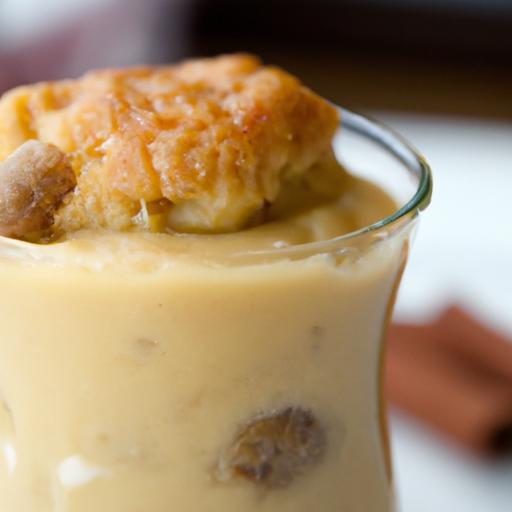
Classically, serve warm in rustic bowls, topping with a pat of butter or a drizzle of cream.For an elevated touch, add fresh berries, a sprinkle of ground cinnamon, or a dollop of whipped cream to create a visually stunning presentation that beckons comfort and indulgence alike.

| Nutrient | Per Serving |
|---|---|
| Calories | 220 kcal |
| Protein | 6 g |
| Carbohydrates | 28 g |
| Fat | 9 g |
To deepen your knowledge of traditional American desserts, explore our collection of classic recipes. For historical context,the History Channel’s cornbread and pudding article offers interesting insights into its origins.
Q&A
Classic Hasty pudding Recipe: A Timeless Comfort Food Guide - Q&A
Q1: What is hasty pudding, and why is it considered a classic comfort food?
A1: hasty pudding is a traditional, simple dish made from cornmeal boiled into a creamy, porridge-like consistency. Its origin traces back to early American settlers who relied on readily available ingredients for nourishing meals. The dish’s warm, hearty nature and ease of preparation make it a timeless comfort food that evokes nostalgia and homely warmth.
Q2: What are the basic ingredients needed for a classic hasty pudding?
A2: The foundational ingredients are cornmeal,water or milk,a pinch of salt,and sometimes a touch of sweetener such as maple syrup or molasses. Butter or cream can also be added for richness. The beauty of hasty pudding lies in its simplicity and adaptability.
Q3: How do you achieve the perfect texture for hasty pudding?
A3: Patience is key! Slowly simmer the cornmeal in liquid over low heat, stirring frequently to prevent lumps and sticking. The texture should be smooth and thick enough to hold a spoon upright but still soft and creamy. Adjust the liquid as needed for desired consistency.
Q4: Can hasty pudding be enjoyed both sweet and savory?
A4: Absolutely! Traditionally, it’s versatile. For a sweet version, add cinnamon, nutmeg, or vanilla along with sugar or honey. Top with fresh fruits or jam for extra delight. For savory variations, incorporate herbs, sautéed vegetables, or a sprinkle of cheese as a comforting side dish.Q5: Are there any special techniques to enhance the flavor of hasty pudding?
A5: Toasting the cornmeal lightly before cooking deepens its nutty flavor. Also, slow cooking allows the flavors to meld beautifully.Finishing the pudding with a dollop of butter or a splash of cream enriches the texture and taste, making each spoonful a comforting experience.
Q6: How has hasty pudding evolved over time?
A6: While the basic recipe remains unchanged, modern variations have embraced diverse ingredients-from using almond or oat milk to incorporating spices like cardamom or ginger. This evolution reflects both culinary creativity and the desire to tailor comfort food to personal tastes.
Q7: Is hasty pudding gluten-free?
A7: Yes! Since traditional hasty pudding is made from cornmeal, it is naturally gluten-free, making it an excellent option for those with gluten sensitivities or celiac disease.
Q8: What are some ideal occasions or meals to serve classic hasty pudding?
A8: Hasty pudding shines as a cozy breakfast, a comforting dessert after a chilly day, or a hearty side dish for rustic dinners. its simplicity and the warmth it brings to the table make it perfect for family gatherings or quiet moments of self-care.
Q9: Can leftovers of hasty pudding be stored and reheated?
A9: Definitely! Store leftovers in an airtight container in the refrigerator for up to three days. Reheat gently on the stove or microwave, adding a splash of milk or water to restore its creamy texture.
Q10: Any tips for first-time makers of hasty pudding?
A10: Start with small batches and keep stirring slowly and attentively to avoid lumps. Don’t rush the cooking process-allow the pudding to thicken gradually. Embrace experimentation with flavors and toppings, and soon you’ll have your own perfect version of this timeless dish.
Concluding Remarks
As the velvety warmth of this classic hasty pudding settles on your palate, you’re tasting more than just a simple dish-you’re savoring a slice of culinary history that has comforted generations. This timeless recipe invites you to slow down, embrace tradition, and find joy in the humble rhythms of home-cooked simplicity. Whether enjoyed as a sweet finale or a cozy companion to your afternoon, hasty pudding remains a steadfast reminder that some flavors, no matter how old, never lose their magic. So, gather your ingredients, stir with intention, and let this enduring comfort food guide you back to the heart of nostalgic nourishment.