


In the vibrant tapestry of African cuisine, few staples shine as brightly as garri – the humble, golden granules derived from cassava that have woven themselves into the heart of countless communities. More than just a food, garri carries stories of tradition, resilience, adn culinary ingenuity passed down through generations. But what exactly is garri, and why does it command such affection across diverse cultures? In this article, we embark on a flavorful journey to uncover the origins, planning, and cultural significance of Africa’s beloved cassava delight, shining a light on the simple yet profound marvel that is garri.
Garri Uncovered invites you on a vibrant journey through Africa’s most beloved cassava delight-a culinary treasure forged in tradition yet forever evolving. from the bustling markets of Lagos to the serene villages of Ghana,garri offers an authentic taste of heritage,captured in every crisp,golden granule. This post will unravel the engaging cultural roots, regional variations, traditional preparation, and fresh, inventive ways to enjoy garri that celebrate its versatility and nutritional punch.
Prep and Cook Time
- Preparation: 3-5 days (including fermentation and drying time)
- Active Cooking: 30-45 minutes
- Total Time: 4 days (approximate traditional processing)
Yield
- Approximately 4 cups of dry garri (from 5kg fresh cassava)
Difficulty Level
- Intermediate (traditional preparation involves several steps but cooking garri meals is easy)
The Cultural Roots and Regional Variations of Garri uncovered
Garri’s origins stretch deep into West African soil, where cassava was cultivated centuries ago. Its preparation is a communal dance involving peeling, grating, fermenting, and roasting cassava. Across nigeria, Ghana, sierra Leone, and beyond, subtle regional differences emerge-such as the coarse, slightly sour garri of Sierra Leone or the finer, sweeter varieties from southern Nigeria. In some regions, it’s steeped in warm water with sugar and groundnuts; elsewhere, it’s accompanied by richly spiced stews.
From Cassava to Table: How Garri is Made Step by Step
- Peel and Wash: Fresh cassava roots are carefully peeled to remove the tough outer skin and then thoroughly washed to eliminate soil and impurities.
- Grate the Cassava: The peeled roots are grated into a fine pulp using either hand graters or mechanical graters for larger batches.
- Fermentation: The grated cassava is placed in porous bags and pressed under heavy weights, allowing excess water to drain while fermentation develops a pleasantly tangy aroma over 2-3 days.
- roasting: The fermented pulp is roasted in large shallow pans over medium heat. Skilled hands stir constantly to produce dry, golden granules without burning or clumping.
- Sifting: The roasted cassava granules are sifted to achieve a consistent size, separating any large lumps.
- Packaging and Storage: The dried garri is cooled and packed in airtight containers, ready to be transformed into numerous dishes.
Nutritional Benefits and Health Considerations of Garri Uncovered
Garri is not only a flavorful staple but also a nutrient-dense source of carbohydrates, perfect for sustained energy. It contains dietary fiber which aids digestion and contains resistant starch beneficial for gut health. Naturally gluten-free and low in fat,garri’s simplicity makes it accessible and resilient across diverse diets.
However, due to its high glycemic index, portion control combined with balanced meals-rich in vegetables and proteins-helps stabilize blood sugar levels. Proper fermentation is crucial as it reduces residual cyanide levels inherent in raw cassava, ensuring safe consumption.
| Nutrient | Amount per 100g |
|---|---|
| Calories | 360 kcal |
| Protein | 1.5 g |
| Carbohydrates | 87 g |
| Fat | 0.3 g |
Creative Ways to Enjoy Garri Uncovered in Modern African Cuisine
Embracing its potential beyond the traditional setup unlocks exciting culinary avenues:
- Garri Fufu: Soak garri in warm water until it thickens into a dough-like consistency, perfect for dipping into spicy egusi or vegetable soups.
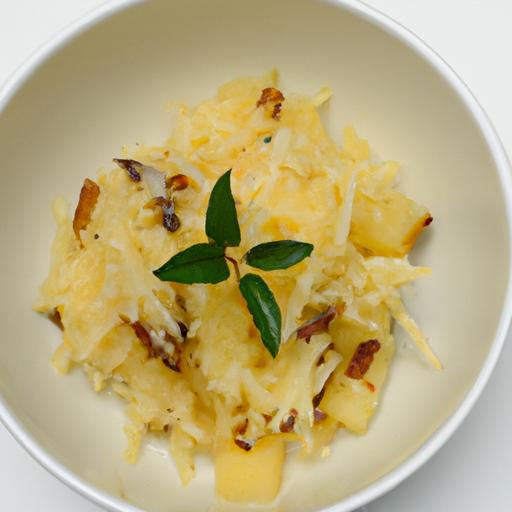
- Garri Snack Bowl: Combine garri with coconut milk, palm sugar, sliced bananas, and roasted peanuts for an irresistible street food-inspired bowl.
- Garri Salad: Use boiled garri as a grain base tossed with roasted vegetables, fresh herbs, cherry tomatoes, and a zesty citrus dressing for a fresh take.
- Crunchy Toppings: Toast coarse garri lightly and sprinkle atop grilled fish or vibrant stews for unexpected texture.
ingredients for Classic Garri Meal
- 2 cups dry garri granules
- 2 cups boiling water
- ¼ cup granulated sugar (adjust to taste)
- ½ cup roasted groundnuts or peanuts
- 1 medium ripe banana, sliced (optional)
- Pinch of salt
- 2 tbsp evaporated milk or coconut milk (optional)
Step-by-Step Instructions to Prepare a Garri Snack Bowl
- Boil Water: Bring 2 cups of water to a rolling boil, then remove from heat.
- Pour Over Garri: Place the garri granules in a mixing bowl. Gradually pour the hot water over the garri while stirring continuously to avoid lumps.
- Sweeten and Season: Add sugar and a pinch of salt, mixing until dissolved. Adjust sweetness to your liking.
- Add Creaminess: Stir in evaporated or coconut milk to infuse richness and balance the texture.
- Garnish: top with sliced bananas and roasted groundnuts for natural sweetness and crunch.
- Serve Immediately: Enjoy warm or at room temperature for an energizing, comforting snack.
Chef’s Notes and Tips for Success
- For a tangier flavor, experiment with longer fermentation times during garri production.
- Always ensure fresh, quality cassava roots for homemade garri to avoid off-flavors.
- when preparing garri with hot water, stir continuously to prevent lumps and ensure a silky texture.
- Substitute roasted groundnuts with cashews or almonds for different nutty accents.
- Make-ahead idea: refrigerate soaked garri mixtures for a chilled, refreshing snack on warm days.
Serving Suggestions
Garri shines best when shared. Present your garri snack bowl in colorful shallow bowls paired with traditional wooden spoons or vibrant ceramic dishes, enhancing its rustic charm. Garnish with fresh mint leaves, a sprinkle of toasted coconut flakes, or a drizzle of natural honey to invite both nostalgia and modern finesse to your table.

For further culinary inspiration and traditional recipes involving cassava,explore our Comprehensive Guide to African root Vegetables. To understand cassava’s role in global agriculture and safety, FAO’s Cassava Overview offers authoritative insights.
Q&A
Q&A: Garri Uncovered – Africa’s Beloved Cassava Delight Explained
Q1: What exactly is garri?
A: Garri is a popular West African staple made from fermented and grated cassava tubers. It’s dried and toasted into granules that have a slightly sour taste and a delightful crunch when dry. A versatile ingredient, garri can be enjoyed in many forms, from a fast snack to the base of hearty meals.
Q2: How is garri traditionally made?
A: the journey begins with cassava roots, which are peeled and grated. These grated roots are then left to ferment for a few days, developing their signature tang. After fermentation, the cassava mash is pressed to remove excess water, sieved to achieve a fine granule, and finally roasted in large pans to create the dry, golden granules we know as garri.
Q3: What gives garri its sour flavor?
A: The natural fermentation process is the secret behind garri’s distinctive sourness.as the grated cassava ferments, amiable bacteria break down starches, producing lactic acid that imparts the subtle tang celebrated by garri lovers.
Q4: How can garri be enjoyed?
A: Garri is incredibly versatile! It can be soaked in cold water with sugar and groundnuts for a refreshing snack.Alternatively, it can be cooked into a thick dough called eba, which pairs beautifully with rich African soups like egusi, ogbono, or vegetable stews. Some even sprinkle it over porridge or mix it with milk and honey for a quick,energizing breakfast.
Q5: Is garri gluten-free and suitable for people with dietary restrictions?
A: Absolutely! Garri is naturally gluten-free, making it an excellent choice for those with gluten sensitivities. Made solely from cassava, it’s also vegan and free from common allergens, lending itself well to a wide variety of diets.
Q6: How does garri differ from other cassava-based foods?
A: Cassava serves as the foundation for many African dishes,but garri stands out due to its fermentation and toasting process. Unlike fufu or tapioca, which may be boiled or steamed, garri’s roasting step gives it a unique texture and flavor. This method also extends shelf life, allowing garri to be stored for months.
Q7: Can garri be used in cooking beyond traditional african recipes?
A: Certainly! While garri shines in its traditional context, creative cooks use it as a gluten-free thickener in soups or as a crunchy topping on grain bowls. Its slightly sour note can add an unexpected depth to salads, grain blends, or even as a coating for fried vegetables.
Q8: What cultural significance does garri hold in Africa?
A: Garri is more than just food; it’s a symbol of comfort, tradition, and survival. Across households and markets, it represents a shared heritage and culinary pride. festivals and gatherings often feature garri dishes, underscoring its place as a unifying force in communities.
Q9: Where can someone outside Africa find garri?
A: Garri is increasingly available in international grocery stores specializing in African or Caribbean foods. Online retailers also offer various grades and textures,allowing garri enthusiasts worldwide to enjoy this cassava treasure from the comfort of home.Q10: Any tips for beginners trying garri for the first time?
A: Start simple-try soaking garri in cold water with a bit of sugar and roasted nuts to experiance its natural flavor. When cooking, add hot water gradually, stirring to your preferred consistency, whether soft or firm. Don’t be afraid to pair it with rich, flavorful soups for a truly authentic taste adventure.
Garri’s journey from humble cassava roots to a kitchen staple spans flavor, culture, and versatility. Whether you’re tasting it for the first time or revisiting a beloved classic, garri offers a rich, tangy bite of Africa’s culinary heart.
In Retrospect
As our journey through the world of garri comes to a close, it’s clear that this humble cassava delight is far more than just a staple-it is a testament to the ingenuity, culture, and resilience woven into the fabric of African life. From bustling street markets to family kitchens, garri carries stories of tradition and innovation, nourishment and joy. Whether enjoyed as a crispy snack or a comforting dough, garri invites us all to taste a piece of Africa’s vibrant heritage, reminding us that sometimes, the simplest foods hold the richest histories. So next time you savor those golden grains, remember-you’re not just eating garri; you’re savoring a centuries-old party of life itself.