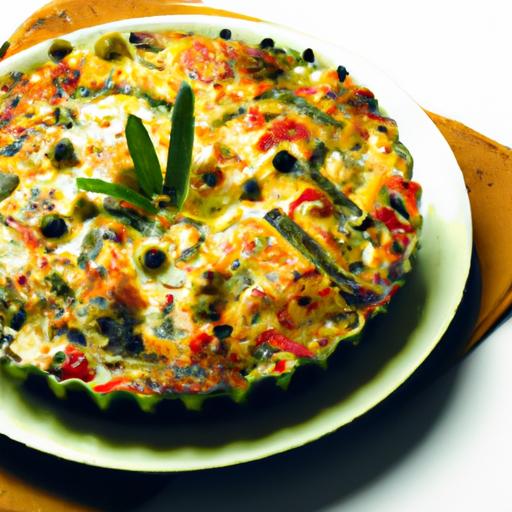


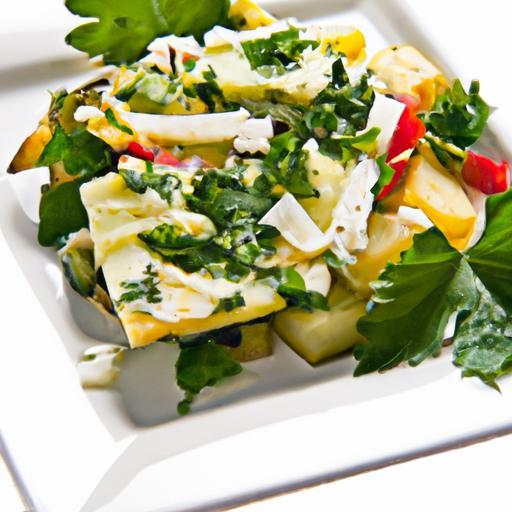
In the sun-drenched kitchens of Greece, where olive groves meet the sparkling Aegean, a humble dish tells a story of vibrant flavors and timeless tradition: briam. This colorful vegetable bake, a harmonious medley of zucchini, eggplant, tomatoes, and potatoes, roasted to tender perfection with fragrant herbs and olive oil, captures the very essence of Mediterranean cuisine. More than just a side dish, briam is a festivity of seasonal bounty and simple, soulful cooking that has graced Greek tables for generations. Join us as we explore the rich history, aromatic ingredients, and irresistible taste of briam-unveiling why this rustic bake remains a beloved staple in greek households and a flavorful invitation to savor the vibrant spirit of Greece.
Briam: Exploring the Vibrant taste of Greek Vegetable Bake invites you to discover a timeless Mediterranean treasure rooted deeply in greek culinary tradition. This rustic vegetable medley has carried families thru generations, celebrated for its vibrant colors, fragrant herbs, and rich, comforting textures. Originating from humble village kitchens, Briam is the perfect dish to showcase fresh, seasonal produce, bringing out authentic flavors that transport you straight to sun-soaked Greek islands and olive groves. Whether shared at a festive table or enjoyed as a wholesome weekday meal, the magic of Briam lies in its simplicity-each ingredient playing a starring role in this harmonious culinary symphony.
Prep and Cook Time
- Planning: 20 minutes
- Cooking: 1 hour 10 minutes
- Total: 1 hour 30 minutes
Yield
- Serves 6 generous portions
Difficulty Level
- Easy – Ideal for home cooks and beginners eager to explore Greek flavors
Key Ingredients That Bring Authentic Flavor to Your Briam
- 3 medium zucchinis, sliced into half-moons (about 450g)
- 3 medium potatoes, peeled and cut into 1/2-inch cubes (about 400g)
- 2 large tomatoes, chopped (about 300g)
- 1 red bell pepper, sliced into strips
- 1 large onion, thinly sliced
- 4 cloves garlic, finely minced
- 1/2 cup extra virgin olive oil (Greek if possible for authenticity)
- 1 tbsp fresh oregano, chopped (or 1 tsp dried oregano)
- 2 tbsp fresh parsley, chopped
- 1 tsp dried thyme
- Salt and freshly ground black pepper, to taste
- 1 tbsp tomato paste (optional, for deeper tomato richness)
- Fresh lemon juice, from half a lemon (optional, for brightness)
Step by Step Guide to Perfecting Your Own Greek Vegetable Bake
- Preheat your oven to 375°F (190°C). Lightly oil a large, deep baking dish to prevent sticking and ensure even roasting.
- Prepare the vegetables. Place the sliced zucchini, cubed potatoes, chopped tomatoes, sliced bell pepper, and onion into a large mixing bowl.
- Add the minced garlic, chopped oregano, thyme, and parsley. Season generously with salt and black pepper, then drizzle the olive oil over the vegetables. Add tomato paste here if using.
- Gently toss the mixture. Use your hands or a large spoon to combine everything evenly, ensuring the olive oil and herbs coat every piece-this will infuse the vegetables with that signature rich flavor as they bake.
- Transfer the coated vegetables to your prepared baking dish. Spread them out evenly for uniform cooking but do not compact; allow hot air to circulate.
- cover the baking dish loosely with aluminum foil. This helps steam the potatoes gently without drying out the entire dish.
- Bake for 40 minutes. Then, remove the foil to let the top caramelize and roast for an additional 30 minutes or until the potatoes are tender and the tops are golden and slightly crisp.
- Check for seasoning. Before serving, squeeze fresh lemon juice over the top to add a lively brightness that balances the olive oil’s richness.
- Let the Briam rest for 10 minutes. This allows the flavors to marry and the juices to settle, resulting in a more cohesive bite.
- Serve warm or at room temperature. Garnish with extra fresh parsley or oregano for a burst of green color and herbal zest.
Tips for success
- Choose fresh, firm vegetables. For the best Briam, use seasonal produce that’s firm to the touch to avoid soggy textures.
- Don’t rush the roasting. Low and slow is key; it allows the natural sugars in the vegetables to caramelize, creating a complex, sweet undertone.
- Feel free to add other Mediterranean vegetables. Eggplant or carrots can be excellent additions, provided they are chopped to similar sizes for even cooking.
- Make ahead: Briam tastes even better the next day as flavors deepen-simply reheat covered at 350°F (175°C) for 20 minutes.
- Substitute fresh herbs with dried only if necessary. Dried herbs are more concentrated,so use them sparingly to avoid overpowering the dish.
Pairing Suggestions to Elevate your Briam Dining Experience
Serve Briam alongside a generous dollop of tangy Greek yogurt or creamy tzatziki to introduce cooling freshness that complements its warm, roasted flavors. A crisp extra virgin olive oil from Crete drizzle just before serving is an indulgence not to miss-adding a peppery finish that elevates the dish’s rustic charm.
For a more substantial meal, pair Briam with fluffy Greek lemon chicken or a simple baked fish. A chilled glass of sparkling water infused with fresh mint and citrus slices perfectly balances the meal, making it a delightful summer feast.
Garnish your plate with sun-dried tomatoes or a handful of kalamata olives, and serve on vibrant handmade ceramics to bring the Greek dining experience to life visually and sensorially.

| Nutrient | Per Serving |
|---|---|
| Calories | 230 kcal |
| Protein | 4g |
| Carbohydrates | 28g |
| Fat | 12g (mostly healthy olive oil fat) |
Q&A
Q&A: Briam – Exploring the Vibrant Taste of Greek Vegetable Bake
Q1: What is Briam and why is it so special in Greek cuisine?
A1: Briam is a conventional Greek vegetable bake, celebrated for its simplicity, vibrant flavors, and wholesome ingredients. It’s a colorful medley of summer vegetables like zucchini, eggplant, potatoes, and tomatoes, all lovingly roasted with olive oil and aromatic herbs. What makes briam truly special is how the slow baking process melds these fresh flavors into a comforting, rustic dish that embodies the warmth of Mediterranean cooking.
Q2: which vegetables are typically used in Briam?
A2: A classic briam usually features eggplants, zucchini, potatoes, tomatoes, and onions. These vegetables are sliced or chopped and layered in a baking dish. The combination can vary depending on what’s fresh and in season, but the focus remains on fresh, garden-picked goodness. The vegetables absorb the olive oil and herbs during roasting, creating a tender, flavorful harmony.
Q3: What herbs and spices enhance the flavor of Briam?
A3: Greek cuisine loves its herbs, and briam is no exception. Common seasonings include fresh or dried oregano, thyme, rosemary, and occasionally a hint of cinnamon or allspice for depth.Garlic and parsley frequently appear as well, enriching the dish with their earthy, aromatic notes. These spices celebrate Greece’s vibrant, sun-soaked flavors.
Q4: How do you prepare Briam to get that perfect texture?
A4: The key to a perfect briam lies in slow roasting the vegetables at a moderate temperature, usually around 350-375°F (175-190°C), for at least an hour. This gentle cooking allows the vegetables to soften and caramelize slightly without turning mushy. Basting the layers with olive oil and the occasional stir helps create a luscious, tender texture with crispy edges.
Q5: is Briam served hot or cold?
A5: Briam is versatile and can be enjoyed both ways. Traditionally, it’s served warm as a main or side dish, often accompanied by crusty bread or a dollop of creamy Greek yogurt. However, many people relish briam cold or at room temperature, making it a delightful dish for picnics or summer lunches.
Q6: Can Briam be made vegan or vegetarian?
A6: Absolutely! Briam is naturally vegan and vegetarian as it is indeed made entirely from vegetables, olive oil, and herbs. It’s a perfect option for plant-based diets, offering a nourishing and flavor-packed meal without any animal products.
Q7: What makes Briam a healthy choice?
A7: Briam is packed with vegetables rich in vitamins, minerals, and fiber. The generous use of olive oil provides heart-healthy fats that enhance the absorption of nutrients. Because it’s baked rather than fried and free from heavy sauces or processed ingredients,briam is a wholesome dish that delivers Mediterranean goodness with every bite.
Q8: Are there regional variations of Briam within Greece?
A8: Yes! While the core concept remains the same, some regions might add specific vegetables like peppers or carrots, or incorporate a splash of lemon juice for extra brightness. in coastal areas, fresh herbs might be more abundant, while mountain regions might favor root vegetables. These slight differences add a personal touch to the classic briam experience.
Q9: How can Briam be incorporated into a meal?
A9: Briam is wonderfully versatile.It pairs beautifully with fresh Greek salad or a serving of rice or bulgur for a complete meal. It can also be served alongside grilled vegetables or hearty beans to add a savory depth. For a light lunch, serving briam with a side of hummus or tzatziki makes for a delicious and satisfying plate.
Q10: What tips would you give to someone making Briam for the first time?
A10: Embrace freshness! Use the best vegetables you can find, and don’t skimp on the olive oil-it’s essential for flavor and texture. slice vegetables evenly to ensure they cook uniformly, and be patient with the baking time. Lastly, don’t be afraid to experiment with herbs and spices to tailor the briam to your taste. With a little love and attention, you’ll be rewarded with a dish full of vibrant, Mediterranean magic.
In Summary
As the layers of tender vegetables and fragrant herbs come together in Briam, we discover more than just a dish – we uncover a celebration of Greek culture and the Mediterranean spirit. This vibrant vegetable bake invites us to savor simplicity and freshness,turning humble ingredients into a symphony of flavors that warm both the palate and the soul. Whether enjoyed as a main course or a hearty side, Briam is a timeless reminder that sometimes, the most delightful culinary experiences arise from embracing the earth’s bounty with love and tradition. So next time you seek a taste of greece, let Briam guide you on a colorful, wholesome journey straight to the heart of its vibrant cuisine.