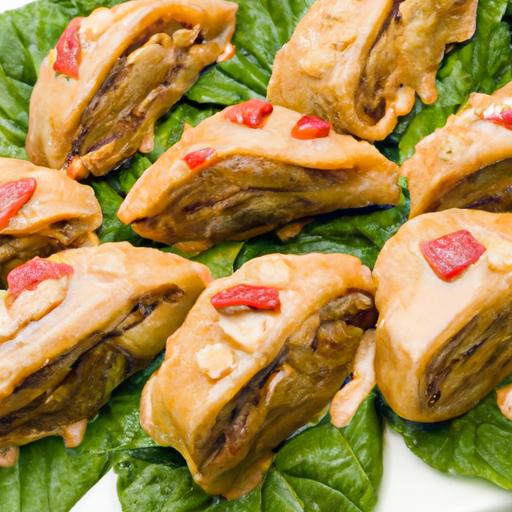

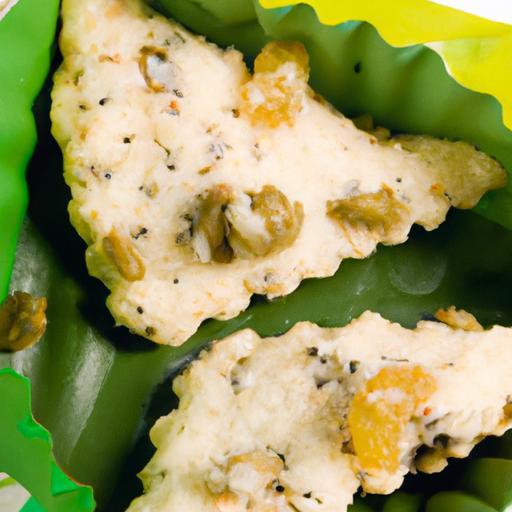
Hidden within the vibrant tapestry of Latin American cuisine lies a delicacy that embodies both history and heart: pasteles en hoja. These tender, flavorful parcels wrapped in glossy green leaves are more than just a dish-they are a flavorful journey through tradition, culture, and community. From the careful selection of ingredients to the time-honored cooking techniques passed down through generations, pasteles en hoja invite us to savor not onyl their rich, comforting taste but also the stories and rituals that have shaped them. Join us as we unwrap the layers of this beloved culinary treasure and explore its enduring place at the table.
Pasteles en hoja trace their roots back to the heart of Latin American culinary heritage, a dish that carries centuries of tradition wrapped in fragrant leaves.This cherished delicacy is more than food; it is a party of community, seasonality, and ancestral wisdom passed down through generations. Each pastel embodies a vibrant tapestry of flavors and textures-earthy masa, tender fillings, and aromatic leaves-that come together to create an experience as rich as its history.
Prep and Cook Time
Readiness: 45 minutes | Cooking: 2 hours | Total time: 2 hours 45 minutes
Yield
Makes approximately 12 pasteles, serving 6-8 people.
Difficulty Level
Medium – Requires some familiarity with leaf wrapping and simmering techniques.
Ingredients
- 2 cups masa harina (corn dough flour)
- 1 ½ cups vegetable broth
- 1 cup grated yuca (cassava), squeezed to remove excess moisture
- 1 medium sweet potato, peeled and grated
- 1 ½ cups cooked and shredded chicken breast
- 1 medium onion, finely chopped
- 3 cloves garlic, minced
- 1 red bell pepper, diced
- 1 tablespoon olive oil
- 2 teaspoons achiote paste (for color and subtle earthiness)
- 2 teaspoons dried oregano
- Salt and freshly ground black pepper to taste
- Banana or plantain leaves, cleaned and cut into 12×12 inch squares
- Cotton or kitchen twine for wrapping
Instructions
- Prepare the leaves: Soften the banana leaves by passing them over an open flame or dipping briefly in hot water until pliable. Wipe dry and keep warm wrapped in a kitchen towel.
- Make the masa dough: In a large bowl, combine masa harina with vegetable broth until a soft dough forms.Mix in the grated yuca and sweet potato until fully incorporated. Set aside.
- Sauté the filling: Heat olive oil in a skillet over medium heat.Add onion, garlic, and red bell pepper, cooking until softened, about 5 minutes. Stir in achiote paste, oregano, salt, and pepper. Add shredded chicken and combine well. Remove from heat and let cool slightly.
- Assemble the pasteles: Lay a banana leaf flat, place approximately ¼ cup masa dough in the center, and spread into a thin, even layer. Add 2 tablespoons of the chicken filling on top of the masa. Cover the filling with another thin layer of masa dough.
- Wrap securely: Fold the leaf carefully over the masa to form a rectangular package, folding edges neatly to enclose the filling. Tie each pastel with kitchen twine to hold its shape during cooking.
- Cook the pasteles: In a large pot, bring water to a gentle boil. Submerge the wrapped pasteles and simmer, covered, for 1.5 to 2 hours, adding water as needed to keep them fully covered.
- Finish and serve: Remove pasteles carefully from water and let drain briefly before unwrapping. Serve warm, garnished with fresh herbs or sliced avocado for a creamy contrast.
Chef’s Notes: Tips for Selecting the Best Leaves and Wrapping Like a pro
Choosing fresh, vibrant banana or plantain leaves is essential-they should be free of tears or discoloration to prevent breakage during wrapping. To soften leaves, briefly heat over an open flame or dip in hot water; this increases pliability and releases a subtle, smoky aroma that infuses the pasteles. When wrapping, keep the masa layer thin but even, ensuring the filling is fully enclosed to avoid spillage during boiling. Practise neat folds and firm tying for compact, visually appealing bundles.
Pairing Pasteles en Hoja with Complementary Flavors and Beverages
The complex textures and savory-sweet notes of pasteles en hoja lend themselves beautifully to radiant, fresh accompaniments. A crisp tropical fruit salad with mango and pineapple highlights the dish’s earthy depth, while a zesty chimichurri or cilantro-lime salsa adds purposeful acidity. For beverages, crisp sparkling water with a squeeze of lime or a chilled hibiscus iced tea brings refreshing balance to the rich masa and tender chicken. For an authentic touch, consider pairing with atole, a warm maize-based drink customary in many Latin American cultures.
| Nutritional Info (Per Serving) | Calories | Protein | Carbs | Fat |
|---|---|---|---|---|
| Pasteles en Hoja | 320 kcal | 18 g | 35 g | 8 g |
For more inspiration on traditional Latin American staples, explore our article on Authentic Latin American Empanadas.To understand different wrapping techniques and leaf varieties, the National Geographic’s cultural exploration of leaf-wrapped foods is an excellent resource.

Q&A
Q&A: Pasteles en Hoja – A delicious Journey Through Tradition
Q1: What exactly are pasteles en hoja?
A1: Pasteles en hoja are a beloved traditional dish found in several Latin American and Caribbean cultures. They are tender, savory parcels made by wrapping a flavorful masa-usually crafted from root vegetables like yucca or green bananas-in large leaf wrappers, such as banana or plantain leaves, then steamed to perfection. The result is a delightful balance of earthy, hearty flavors wrapped in a fragrant, natural casing.
Q2: Where do pasteles en hoja originate from?
A2: Pasteles en hoja have roots in indigenous,African,and Spanish culinary traditions that melded over centuries across the Caribbean and Latin America. Variations can be found in countries like Puerto Rico,the Dominican Republic,and Colombia,each adding its unique twist while maintaining the essence of this cherished dish.
Q3: What makes the masa in pasteles en hoja different from typical dough?
A3: Unlike traditional wheat-based doughs, the masa for pasteles en hoja is commonly made from starchy root vegetables or green bananas, grated or mashed and then mixed with seasonings and sometimes a touch of broth. This creates a dense, flavorful base that becomes tender when steamed, offering a distinct texture and rich, comforting taste.
Q4: What kinds of fillings are used in pasteles en hoja?
A4: Fillings vary widely depending on the region and family recipes but frequently enough include a medley of vegetables, herbs, and protein such as chicken, beef, or vegetarian options like beans and mushrooms. Seasonings like garlic, oregano, and pepper elevate the filling, providing depth and warmth without overpowering the masa.
Q5: Why are pasteles wrapped in leaves?
A5: Wrapping pasteles in banana or plantain leaves serves multiple purposes. The leaves impart a subtle, aromatic flavor during steaming and help keep the masa moist and intact. More importantly, the practice connects the dish to its natural roots and ancestral cooking methods, using what the land provides to enhance both taste and presentation.
Q6: How are pasteles en hoja traditionally cooked?
A6: After being carefully wrapped, pasteles en hoja are steamed or boiled for several hours. This slow cooking process is key, allowing the masa to absorb the flavors from the filling and the leaf wrapping while becoming soft and perfectly cooked-a labor of love that reflects the patience and care embedded in the dish’s tradition.
Q7: Are pasteles en hoja typically eaten during special occasions?
A7: absolutely! Pasteles en hoja are often a festive dish, enjoyed during holidays, family gatherings, and celebrations. Making them is usually a communal event, bringing multiple generations together to prepare, wrap, and cook the pasteles in batches-a sweet tradition that nourishes both body and spirit.
Q8: Can someone new to pasteles en hoja try making them at home?
A8: Definitely! While the process might seem intricate, many home cooks embrace making pasteles as a creative and rewarding culinary adventure. Starting with simpler fillings and preparing the masa from scratch opens a window into cultural history-and the joy of sharing a deeply traditional dish with loved ones.Q9: What should one expect when tasting pasteles en hoja for the first time?
A9: Expect a harmonious blend of comforting, earthy flavors from the masa, mingled with the savory, well-seasoned filling-encased in the subtle fragrance of the leaf wrapping. Texturally, pasteles offer a tender, slightly dense bite that’s both satisfying and unique compared to other traditional dishes.
Q10: How do pasteles en hoja reflect the cultural heritage of their regions?
A10: Pasteles en hoja embody resourcefulness, community, and a connection to the land. Through the use of native ingredients,ancestral cooking techniques,and shared preparation rituals,they tell a story of resilience and celebration-serving as edible history that continues to bring families and communities together across generations.
In Summary
As we unwrap the layers of pasteles en hoja, we uncover more than just a treasured dish – we discover a vibrant tapestry of culture, history, and community woven together by time and tradition. Each bite invites us to savor the artistry and love embedded within these leaf-wrapped delights,reminding us that food is not merely nourishment but a flavorful journey through the stories of those who came before us.So next time you encounter pasteles en hoja, take a moment to honor the hands that crafted them and the rich heritage they carry, celebrating a delicious legacy that continues to warm hearts and tables alike.