
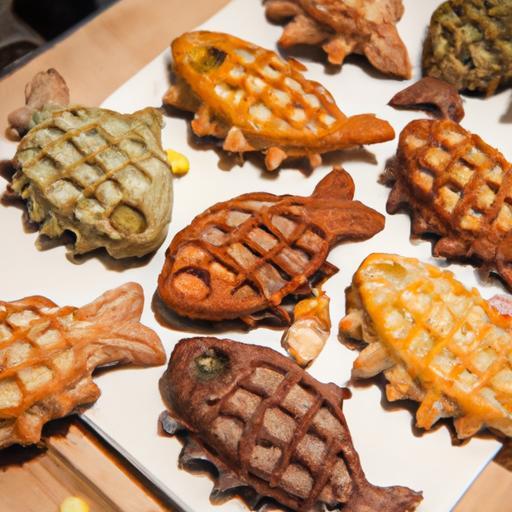
In the bustling streets of Japan, where tradition and modernity blend seamlessly, a whimsical treat has captured the hearts and taste buds of locals and travelers alike-Taiyaki. shaped like a charming fish, this golden-hued delight is far more than just a sweet snack; it is indeed a symbol of cultural heritage, artistry, and joyous indulgence. From its crispy exterior too its warm, luscious fillings, Taiyaki offers a sensory journey that unveils the rich tapestry of Japanese street food culture. Join us as we dive into the origins, flavors, and enduring appeal of this iconic fish-shaped confection that continues to swim its way into the worldS culinary spotlight.
The Origins and Cultural Significance of Taiyaki
Taiyaki,Japan’s iconic fish-shaped sweet treat,carries a rich history that dates back to the Meiji era in the early 1900s. Originally inspired by imagawayaki, a round pastry filled with sweet azuki bean paste, taiyaki took shape when a Tokyo shop owner crafted a mold resembling the auspicious Japanese sea bream, or “tai.” This clever design not only elevated the humble snack but also imbued it with symbolism linked to good fortune and party, making taiyaki a beloved street food for festivals and everyday enjoyment alike. Over decades, taiyaki has transcended generations, becoming synonymous with joy, nostalgia, and Japan’s street food culture.
Exploring Classic and Modern Taiyaki Fillings
At its heart, the magic of taiyaki lies in its fillings. The classic version features sweet red bean paste (anko), providing a perfectly balanced sweetness and earthy notes that complement the golden, crisp exterior. Yet, Japanese innovators and international fans have embraced creative fillings, ranging from luscious custard cream, silky matcha-infused white bean paste, to indulgent chocolate and even savory options like cheese and sweet potato. These variations reflect taiyaki’s versatility and its evolution from traditional roots to contemporary culinary delight.
Classic and Contemporary Filling Inspirations
- Sweet red bean paste: The timeless classic, offering a refined sweetness with a hint of earthiness.
- Vanilla custard cream: Smooth and creamy, adding a decadent, velvety texture.
- Matcha white bean paste: A delicate, slightly bitter matcha flavor balanced by mellow white beans.
- Chocolate ganache: Rich, melt-in-the-mouth indulgence for chocolate lovers.
- Sweet potato puree: An earthy, naturally sweet option frequently enough favored in autumn.
How Taiyaki is Made: From Batter to perfect fish Shape
Creating taiyaki is an art that starts with a pancake-like batter made from basic staple ingredients like all-purpose flour, baking powder, sugar, and eggs, designed to achieve the right balance of fluffiness and crisp edges.The key to that perfect fish shape lies in the specialized cast-iron taiyaki mold, heated to a medium-high temperature to ensure even cooking.
To assemble, the batter is poured into the mold halves, a generous spoonful of filling is added, then topped off with a little more batter before closing the halves together. as the taiyaki cooks, the batter puffs around the filling, turning golden brown and crisp while imprinting intricate fish scale details that delight both the eye and the palate.
Prep and Cook Time
- Prep Time: 15 minutes
- Cook time: 10 minutes per batch
Yield
- 6 classic taiyaki
Difficulty Level
- Medium – requires technique mastering pouring batter evenly and timing the cooking just right
Ingredients
- 1 cup all-purpose flour, sifted
- 1/2 tsp baking powder
- 1/4 cup granulated sugar
- 1 large egg
- 3/4 cup milk, at room temperature
- 1/2 cup sweet red bean paste (anko) or filling of choice
- Vegetable oil for greasing the mold
Instructions
- Prepare the batter: In a mixing bowl, whisk together the sifted flour, baking powder, and sugar.
- Combine wet ingredients: Lightly beat the egg in a seperate bowl, then add milk and mix gently.
- Blend batter: Gradually pour the wet mixture into the dry ingredients, whisking until smooth and free of lumps.Set aside.
- Heat the taiyaki mold: Place the fish-shaped cast iron mold on medium heat; brush lightly with vegetable oil to prevent sticking.
- Pour batter: Pour a thin layer of batter into one side of the mold,covering the bottom.
- Add filling: Spoon about 2 tablespoons of yoru chosen filling (e.g., sweet red bean paste) onto the center of the batter.
- top with batter: Pour a small amount of batter over the filling to enclose it entirely.
- Close and cook: Close the mold firmly and cook for about 3-4 minutes per side, flipping midway, until both sides turn a golden brown with crisp edges.
- Remove carefully: Open the mold and gently slide out the taiyaki using a silicone spatula. Let cool slightly before serving.
- repeat: Continue the process for remaining batter and filling.
Tips for success
- Consistent heat on the mold ensures even browning without burning.
- For a fluffier texture, separate the egg; whip the white until soft peaks form and fold in gently.
- If using different fillings like custard or chocolate, refrigerate them beforehand to prevent leakage during cooking.
- Use a silicone brush for oiling the mold lightly to keep the delicate batter from sticking without causing excess grease.
- Make ahead by preparing batter and fillings separately. Store batter refrigerated for up to 24 hours; warm to room temperature before cooking.
Serving Suggestions
serve taiyaki warm for the best textural contrast – crisp exterior with a molten, sweet center. Garnish with a light dusting of powdered sugar or a drizzle of honey or matcha glaze for an elegant touch. Pair with green tea or sweetened soy milk for an authentic Japanese street-snack experience. For a fun presentation, arrange taiyaki on a bamboo platter lined with fresh leaves to enhance its visual appeal.

| Nutritional Element | Per 1 Taiyaki (approx.) |
|---|---|
| Calories | 220 kcal |
| Protein | 5 g |
| Carbohydrates | 40 g |
| Fat | 4 g |
Where to Find the Best Taiyaki Experiences in Japan
For travelers eager to taste the pinnacle of taiyaki craftsmanship,Tokyo’s street food scene offers an abundance of iconic vendors,from the centuries-old meets modern chic in Asakusa to artisanal boutiques in Harajuku that fuse traditional techniques with innovative fillings. Cities like Osaka and Kyoto also boast celebrated taiyaki stalls where local specialties meet seasonal ingredients, creating unique, melt-in-your-mouth variations.
For an in-depth learner, attending a taiyaki workshop or visiting a taiyaki factory museum reveals the meticulous process behind the snack’s appealing texture and form. To explore authentic insights into Japan’s culinary heritage surrounding this fish-shaped delight, visit the official Japan Travel Culinary Guide.
Q&A
Q&A: Taiyaki – Japan’s Iconic Fish-Shaped sweet Treat Unveiled
Q1: What is Taiyaki, and why is it so popular in Japan?
A: Taiyaki is a delightful japanese confection shaped like a sea bream (tai), a fish considered to bring good luck. This sweet treat features a crisp, golden-brown outer shell with a warm, flavorful filling inside-most traditionally sweet red bean paste. Its charming shape and comforting taste have made Taiyaki a beloved street snack enjoyed by people of all ages across Japan
Q2: How did Taiyaki originate?
A: taiyaki’s roots date back to the early 20th century during the Meiji era. Inspired by imagawayaki-round, stuffed cakes-vendors crafted Taiyaki in the shape of sea bream to attract customers with both its appearance and auspicious symbolism. This creative twist turned Taiyaki into a distinct and enduring symbol of street food culture
Q3: What ingredients go into making traditional Taiyaki?
A: Traditional Taiyaki batter is made from simple ingredients like wheat flour, sugar, baking powder, eggs, and water or milk, which comes together to create a light and fluffy pancake-like texture. The most iconic filling is sweetened azuki red bean paste, known as anko, offering a perfect harmony of sweetness and earthiness inside the crispy shell.
Q4: Are there modern or unusual variations of Taiyaki?
A: Absolutely! While red bean paste remains the classic filling, contemporary Taiyaki is a canvas for creativity. Fillings like custard cream, chocolate, sweet potato, matcha-flavored cream, and even savory options such as cheese or sweet corn have gained popularity. Some shops even serve Taiyaki with soft-serve ice cream, turning this humble treat into a trendy dessert hybrid.
Q5: What makes the fish shape of Taiyaki meaningful?
A: The sea bream, or “tai” in Japanese, is long associated with celebration and good fortune. Shaping this dessert like a fish taps into cultural symbolism, making Taiyaki not only a tasty snack but also a signifier of luck and happiness.Eating Taiyaki can feel like enjoying a little bite of tradition wrapped in whimsy.
Q6: How is Taiyaki traditionally cooked?
A: Taiyaki is prepared using a special fish-shaped iron mold. The batter is poured into one side of the mold,followed by a dollop of filling,then covered with more batter before being closed and cooked over heat. This method ensures the Taiyaki is evenly cooked, yielding a delicately crisp outer shell and a molten filling inside.
Q7: Where can visitors experience the best Taiyaki in Japan?
A: Taiyaki is a common sight at street festivals, parks, and shopping streets throughout Japan. Tokyo’s traditional neighborhoods, such as Asakusa and Ueno, are especially famous for their skilled Taiyaki vendors who frequently enough make the sweet treats fresh upon order.For those craving a modern twist,trendy cafes and specialty shops in cities across the country offer imaginative takes on this classic dessert.
Q8: Can Taiyaki be made at home?
A: Certainly! With the right Taiyaki molds-available online or in specialty kitchen stores-and a simple batter recipe, home cooks can bring this iconic snack into their kitchens.Experimenting with fillings lets enthusiasts personalize Taiyaki, making the experience as fun as the final result is flavorful.
Q9: How does Taiyaki reflect Japanese food culture?
A: Taiyaki beautifully embodies Japan’s love for craftsmanship, seasonal flavors, and meaningful symbolism.Its balance of simple ingredients and thoughtful presentation showcases how food can be both an everyday joy and a cultural treasure. Enjoying Taiyaki offers a connective taste of tradition, creativity, and communal warmth.
Future Outlook
From its humble origins as a simple street snack to its status as a beloved symbol of Japanese confectionery artistry, Taiyaki continues to captivate taste buds and hearts alike. Whether filled with classic red bean paste, custard, chocolate, or innovative modern twists, this charming fish-shaped treat offers more than just a bite-it offers a glimpse into Japan’s rich culinary culture and playful spirit.So next time you encounter a Taiyaki vendor’s warm, golden catch, remember you’re holding a piece of tradition that swims happily through time, inviting you to savor both flavor and history in every delightful mouthful.