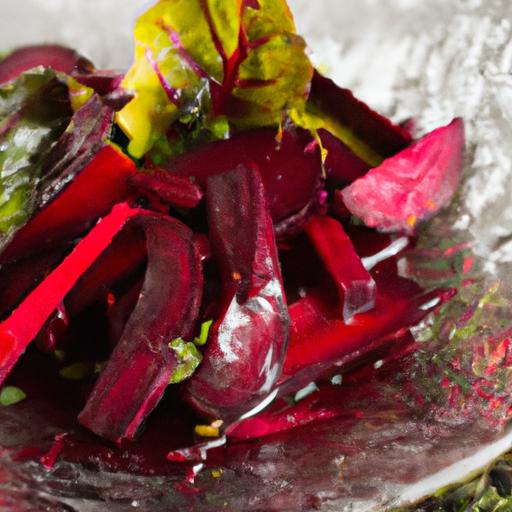




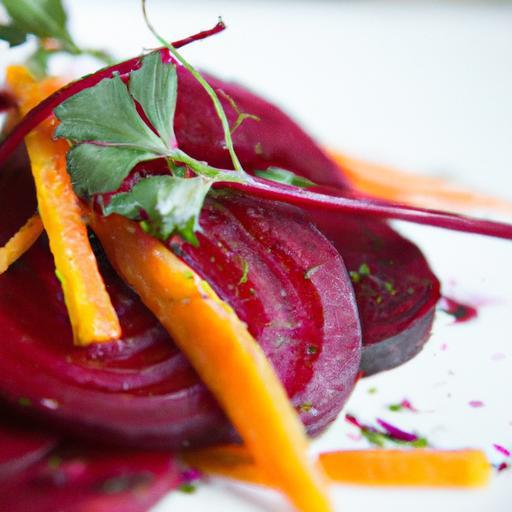
Beets have long been a humble staple on dinner tables, known for their earthy sweetness and vibrant ruby hue.Yet, when transformed into Harvard beets, this classic root vegetable takes on an entirely new persona-one that’s both tangy and deeply comforting.Originating from traditional American cuisine, Harvard beets elevate simple ingredients into a symphony of flavor, marrying the natural richness of beets with the radiant acidity of vinegar and the subtle warmth of brown sugar.
In this article, we’ll dive into the history behind this beloved side dish and guide you through a appetizing Harvard beets recipe that promises to add a zesty, colorful twist to your next meal. Whether you’re a longtime beet enthusiast or a curious cook eager to explore, prepare to rediscover this timeless classic with a tangy flair.
Harvard Beets Recipe is a beloved dish that beautifully marries the earthy sweetness of tender beets with a vibrant, tangy glaze-offering a nostalgic taste that has graced tables across America for over a century.Originating in the late 19th century, this classic side celebrates humble ingredients enhanced by simple yet transformative techniques that bring out an irresistible balance between bright, zesty notes and comforting sweetness. Whether served alongside a hearty roast or as a vibrant addition to a vegetarian feast, this dish appeals to both tradition lovers and adventurous palates alike.
Prep and Cook Time
- Preparation: 10 minutes
- Cooking: 20 minutes
- Total Time: 30 minutes
Yield
serves 4 as a side dish
difficulty Level
Easy – Perfect for cooks of any skill looking to add a colorful, flavorful side to their meal.
Essential Ingredients and Tips for Enhancing Freshness
- 2 cups cooked beets, peeled and sliced evenly (freshly roasted or steamed gives the best flavor and texture)
- 1/3 cup white sugar (adjust for sweetness preference)
- 1/4 cup apple cider vinegar (for that characteristic tang)
- 2 tablespoons unsalted butter (for richness and a silky mouthfeel)
- 1/4 teaspoon ground ginger (adds subtle warmth)
- Pinch of salt (to enhance all flavors)
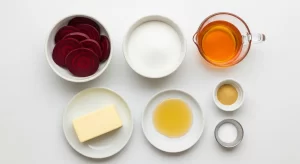
The quality of beets directly impacts the vibrancy of this dish. Opt for fresh, firm beets with smooth skin and deep color. If using canned beets, choose whole, unsweetened varieties to keep control over the flavor balance. For that freshly enhanced brightness, a splash of fresh lemon juice or a tablespoon of freshly chopped parsley works beautifully when plating.
Crafting the Perfect Balance of Sweet and Tangy Flavors
- Prepare the beets: If cooking from raw, scrub and trim fresh beets, then roast at 400°F for 40-50 minutes wrapped in foil or steam until fork-tender.Peel while warm for easy removal.
- Simmer the glaze: in a medium saucepan, combine white sugar, apple cider vinegar, butter, ground ginger, and salt. Heat on medium until butter melts and sugar dissolves, creating a glossy, tangy syrup.
- Combine and coat: Add the sliced beets to the saucepan, gently folding to evenly coat them in the tangy-sweet glaze. Simmer for 5 minutes, allowing the flavors to meld and slightly reduce the liquid.
- Rest and deepen flavor: Remove from heat and let the beets sit in the glaze to absorb more flavor before serving. This step intensifies the harmony between sweet and tangy.
Creative Serving Suggestions to Elevate Your Classic Side
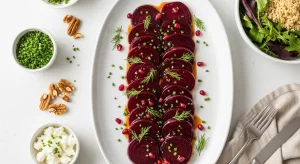
Harvard Beets recipe offers vibrant color and flavor that elevates everyday meals into elegant spreads. Serve them warm or chilled, depending on the season. For a refreshing twist, garnish with freshly chopped chives or dill, adding a fresh herbal note and a pop of green against the deep red hues.
Pair with creamy goat cheese or a dollop of Greek yogurt for a modern, tangy contrast. Alternatively, sprinkle toasted walnuts or pecans for crunchy texture and nutty warmth. These beets also shine atop mixed greens or quinoa bowls to introduce a tangy, sweet accent.
For festive occasions, arrange the beets artistically on a white platter, drizzle extra glaze, and scatter pomegranate seeds for brilliant jewel tones and tart bursts.
Chef’s Notes and Tips for Success
- Adjust sweetness: Tailor the sugar quantity to your taste or use honey as a natural choice for a floral sweetness.
- Vinegar swap: Apple cider vinegar provides a mellow tang; for sharper notes,try white balsamic or rice vinegar cautiously.
- Make-ahead amiable: Prepare up to 2 days in advance. The flavors deepen beautifully, simply reheat gently on the stove or serve chilled.
- Texture matters: Avoid overcooking beets to preserve a tender, slightly firm bite.
- Color preservation: Avoid acidic exposure in prolonged cooking by adding vinegar later in the process to maintain bright pigmentation.
Nutritional Information
| Serving Size | Calories | Protein | Carbs | Fat |
|---|---|---|---|---|
| 1/2 cup | 110 | 1 g | 28 g | 4 g |
For those eager to explore more vibrant vegetable side dishes, be sure to visit our Roasted Root Vegetables Recipe that complements this dish wonderfully.For comprehensive info on the nutritional benefits of beets, see Healthline’s Beet Nutrition Guide.
Q&A
Q&A: Harvard Beets Recipe – A Tangy Twist on a Classic Side
Q1: What are harvard beets, and why are they called “Harvard” beets?
A: Harvard beets are a traditional side dish made from tender cooked beets glazed with a sweet and tangy sauce, often featuring vinegar and sugar. the name “Harvard” is believed to have originated from the dish’s popularity in the Boston area, home to Harvard University, though the exact origin is a bit of a culinary mystery. The hallmark of this recipe is its balance of earthy beet flavors with a bright,acidic punch.
Q2: What makes Harvard beets different from simply roasted or steamed beets?
A: While roasted or steamed beets highlight the natural sweetness and earthiness of the vegetable, Harvard beets are coated in a glossy, tangy sauce that adds layers of flavor. The sauce typically involves vinegar, sugar, and butter, creating a harmonious blend of sweet, sour, and savory notes that elevate the dish beyond plain beets.
Q3: Can I use fresh beets for this recipe, or should I use canned beets?
A: Both fresh and canned beets can be used for harvard beets. Fresh beets offer a more robust texture and earthy flavor,especially when roasted or boiled until tender. Though, canned beets are a convenient and time-saving option-just be sure to drain them well before preparing the sauce.
Q4: What kind of vinegar works best for Harvard beets?
A: Traditionally, a mild vinegar like white vinegar or apple cider vinegar works beautifully in Harvard beets. These vinegars provide the necessary tang without overpowering the natural sweetness of the beets. Red wine vinegar can add complexity but use it sparingly to maintain the classic balance.
Q5: Are there creative twists to the classic Harvard beets recipe?
A: Absolutely! You can add a hint of warm spices like cinnamon or cloves for a subtle aromatic quality. Including a small splash of orange juice can bring a fresh citrus brightness. Fresh herbs such as dill or parsley sprinkled on top before serving add color and a fresh herbaceous note. For some texture,toasted nuts like walnuts or pecans make a delightful garnish.
Q6: How do I ensure the sauce for Harvard beets is perfectly glossy and balanced?
A: The key is to gently simmer the vinegar and sugar until the sugar dissolves wholly and the mixture thickens slightly. Adding a small knob of butter at the end and stirring it in off the heat gives the sauce a silky, glossy finish. taste and adjust the sweetness or acidity to your preference before tossing with the beets.
Q7: What dishes pair well with Harvard beets as a side?
A: harvard beets complement a variety of dishes thanks to their bright and tangy profile. They shine alongside roasted or grilled vegetables, hearty grains like quinoa or farro, and plant-based protein dishes such as lentil loafs or mushroom ragouts. Their vibrant color also makes them a festive addition to holiday or weeknight meals.
Q8: Can Harvard beets be served cold, or are they best warm?
A: Both! Harvard beets are traditionally served warm, allowing the sauce to coat the beets beautifully. Though, they chill wonderfully and can be served cold as a tangy, flavorful salad or side, especially during warmer months. Just bring them to room temperature before serving for the best flavor.
Q9: Is this recipe suitable for special diets?
A: Yes, Harvard beets are naturally vegan and gluten-free if you use vegan butter or oil in the glaze. They are also low in calories and packed with nutrients like fiber, folate, and antioxidants, making them a wholesome addition to many dietary plans.
Q10: how can I store leftovers, and how long do Harvard beets last?
A: Store leftovers in an airtight container in the refrigerator for up to 4-5 days. the flavors often deepen overnight, making them even tastier the next day. Reheat gently on the stove or enjoy cold as a quick and tangy side anytime.
Future Outlook
Whether you’re a longtime fan of this traditional Filipino side or a curious cook eager to explore new flavors,the harvard beets recipe offers a vibrant and tangy twist that’s sure to brighten any meal. Its perfect balance of sweetness and acidity transforms humble beets into a standout dish that complements everything from roasted meats to simple rice bowls. So next time you want to add a splash of color and a burst of flavor to your table, give this classic recipe a try - your taste buds will thank you for the tangy adventure!