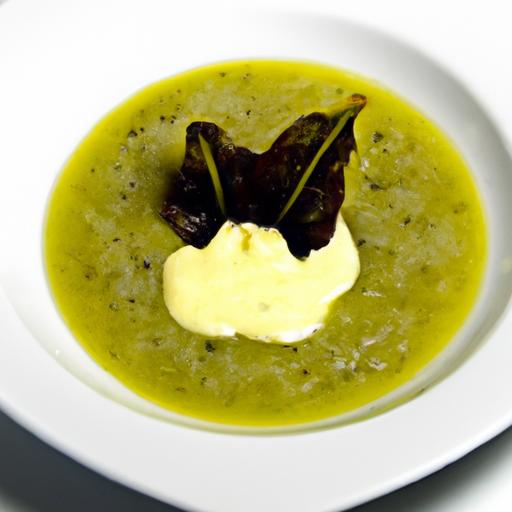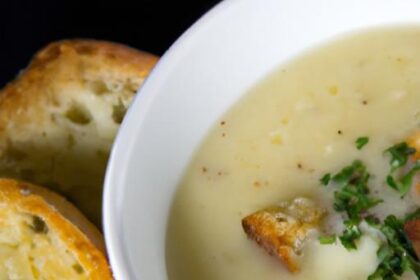


In the vast and vibrant world of gastronomy, not everything is as it truly seems. Beneath the simmering pots and artfully arranged bowls lies a curious phenomenon-fake soup.Far from mere culinary trickery, this artful deception challenges our perceptions of taste, texture, and tradition. “Unveiling Fake Soup: The Art of Culinary Deception Explained” delves into the subtle craft of creating soupy illusions-dishes that masquerade as one thing while delivering an entirely different sensory experience. Join us as we explore the origins, techniques, and cultural significance behind this captivating facet of culinary creativity, where illusion meets indulgence in every spoonful.
The Origins and Evolution of Culinary Illusions
Unveiling fake soup invites you into a fascinating world where culinary art meets remarkable creativity. The origins of culinary illusions date back centuries,often rooted in the desire to surprise or entertain guests with dishes that look like one thing but taste like another or defy expectations entirely. Historically, these playful creations emerged in royal courts and haute cuisine kitchens, where chefs crafted elaborate deceptions to showcase skill and ignite curiosity.
Over time, these illusions evolved from simple tricks involving clever plating to complex techniques employing molecular gastronomy and innovative tools that manipulate texture, color, and aroma. The evolution of culinary illusions has been shaped by advances in food science and a growing appetite for multisensory dining experiences where visual perception and flavor interact profoundly.
Techniques Behind Crafting Convincing Fake Soups
Creating convincing fake soups requires a harmonious blend of artistry and science. Texture is crucial: chefs frequently enough use natural gelling agents like agar-agar, xanthan gum, or carrageenan to mimic the viscosity of real broth without customary boiling. obvious or opaque mediums, such as consommé-like gels or foam emulsions, imitate the look and mouthfeel of soup liquids.
Color and opacity must be carefully calibrated using natural extracts-beet juice for ruby reds, turmeric for golden hues, and vegetable purees for earthy greens. Layering components can simulate floating vegetables or herbs,employing edible spheres or pearls made from flavored gels that burst gently on the palate. Temperature contrasts-serving a “hot” soup illusion chilled with warming spices releasing aromatic steam-also intensify the sensory deception.
Sensory Tricks That Fool the Palate and Mind
Our brains rely heavily on sight and smell to anticipate flavor. By manipulating these inputs through culinary illusions, chefs trick diners into perceiving flavors that aren’t present. Aromatic vapors released as the dish is served stimulate olfactory receptors, preparing the mind for a specific taste experience. Simultaneously occurring, the texture can be adjusted to mimic creaminess or the silkiness of broth using ingredients such as silken tofu or pureed nuts.
Sound also plays a surprising role-a subtle sizzle or gentle bubbling can enhance the illusion of a freshly simmered soup. Even the choice of serving vessel, like a spoon with a familiar shape or a rustic bowl, conditions expectations, making deception tantalizingly believable.
Expert Tips for Detecting and Avoiding Deceptive Dishes
For those who savor authenticity and want to avoid culinary trickery, awareness is key. Look for inconsistencies: does the aroma match the visual cues? Does the temperature feel right for the type of soup presented? Pay attention to texture-does the mouthfeel correspond with the look of the broth or cream?
Chefs’ tools such as gels, foams, and spheres tend to have a slightly different sensation than traditional textures. If uncertain, gently probing with a spoon or fork can reveal structural nuances. Asking about ingredients or preparation methods is also enlightening and encourages clarity in dining.
ultimately, understanding the artistry behind these culinary feats deepens appreciation for the skill involved, while sharpening your own palate and perceptiveness.
Recipe: Deceptive “Tomato Basil soup” Illusion
Unveiling fake soup through this recipe demonstrates the use of modern techniques to create an astonishingly realistic tomato basil soup that tricks both eyes and palate. Despite its convincing appearance, the dish is crafted without cooking liquid tomato broth, relying instead on a silky tomato mousse base but presented as if a steaming hot soup.
Prep and Cook Time
- Prep Time: 15 minutes
- Chilling Time: 3 hours
- Total Time: 3 hours 15 minutes
Yield
Serves 4 elegantly deceptive portions
Difficulty Level
Medium
Ingredients
- 3 cups fresh ripe tomatoes, roughly chopped
- 1 cup heavy cream
- 1 tbsp agar-agar powder
- 1 tsp fresh lemon juice
- 1/4 cup fresh basil leaves, finely chopped
- 1 tbsp extra virgin olive oil
- 1 tsp smoked paprika
- 1 tsp sugar (optional, to balance acidity)
- Salt and freshly ground black pepper, to taste
- edible gold leaf or micro basil sprigs for garnish (optional)
Instructions
- Prepare the tomato base: In a blender, puree the fresh tomatoes with lemon juice, smoked paprika, and sugar until completely smooth.
- Heat and set the agar-agar: In a small saucepan, gently warm the tomato puree over medium heat. Sprinkle agar-agar powder evenly and whisk for 2 minutes while maintaining a low simmer until dissolved.
- Incorporate the cream: Slowly whisk in the heavy cream and olive oil,stirring continuously to emulsify. Simmer gently for 1-2 minutes but do not boil to preserve cream texture.
- Add basil: Fold in the chopped fresh basil leaves, reserving a few for garnish.
- Chill to set: Pour the mixture evenly into ramekins or shallow bowls. Refrigerate for at least 3 hours until a soft gel forms that wiggles gently but holds shape.
- Serve deceptively hot: Just before serving, gently warm each bowl by placing it in a hot water bath for 20 seconds-warm the base without melting the gel. Garnish with micro basil and optional edible gold leaf for elevated finesse.
Tips for Success
- Balance acidity: Use sugar sparingly to tame tomato tartness without masking natural freshness.
- Agar alternatives: If agar-agar isn’t available, gelatin can be used but requires refrigeration for proper setting and is not vegan-kind.
- Layer textures: For added illusion, swirl a drizzle of olive oil or a few drops of basil oil atop just before serving to mimic oil on broth.
- Make ahead: Prepare the tomato mousse up to 24 hours in advance for convenient plating during dinner service.
Serving Suggestions
Present this amazing deceptive soup in rustic white bowls that contrast its vibrant red color. accompany with a piece of toasted artisan bread rubbed with garlic to enhance the sensory experience.Pair with a refreshing cucumber basil salad to complement the herbal notes.
For a theatrical touch, serve with a small incense stick or dry ice bowl nearby to create a mist, elevating the visual intrigue and amplifying the aroma.

| Nutrient | Per Serving |
|---|---|
| Calories | 150 kcal |
| Protein | 3 g |
| Carbohydrates | 10 g |
| Fat | 12 g |
Discover more about implementing texture illusions in your dishes by visiting our Texture Techniques in Modern Cuisine article. For scientific insight into food gels like agar-agar, visit ScienceDirect’s Agar-Agar Review.
Q&A
Q&A: unveiling Fake Soup – The Art of culinary Deception Explained
Q1: What exactly is “fake soup”?
A1: Fake soup is a culinary illusion-a clever creation that mimics the look and essence of traditional soup without being a true broth-based dish. It blurs the lines between solid and liquid, often using thickened purees, gels, or cleverly layered ingredients to trick the palate and the eye. Think of it as a savory ruse that challenges our expectations of what soup should be.
Q2: Why do chefs create fake soups?
A2: Chefs use fake soups to showcase creativity, manipulate textures, and evoke surprise. It’s a playful technique allowing them to redefine comfort food by transforming humble ingredients into high-concept dishes. it also opens avenues for innovation-flavors can be intensified, presentations elevated, and traditional recipes reinvented.
Q3: How do fake soups differ from traditional soups?
A3: Traditional soups typically rely on simmered stocks or broths as their base, emphasizing liquid and clear or chunky textures. Fake soups, though, may use purees, foams, gels, or even solid components arranged to look like broth. They might skip the lengthy simmering process altogether, focusing rather on texture contrasts and visual trickery.
Q4: What are common ingredients or techniques used to craft fake soups?
A4: Ingredients like vegetable purees (beet, carrot, pumpkin), dairy elements (creams, yogurts), and clever thickeners (agar, xanthan gum) are popular. Techniques include spherification to create “liquid” pearls, emulsification for silky textures, and layering to simulate depth. The goal is to assemble components that resemble soup but surprise with unexpected mouthfeel or bite.
Q5: Can fake soups be healthier than traditional ones?
A5: Absolutely! Fake soups can be tailored with nutrient-dense ingredients like root vegetables, legumes, or superfoods, often avoiding heavy stocks or emulsified fats. By controlling texture and flavor without relying on long cooking times or animal-based broths, these creations can emphasize freshness and wholesomeness.
Q6: Is the “deception” in fake soup misleading or unethical?
A6: Not at all. The deception is a form of artistic expression-a playful invitation to diners to engage with food differently. It’s about curiosity and delight, challenging preconceptions without compromising trust. When done transparently, fake soups enrich the dining experience and respect culinary integrity.
Q7: How can home cooks experiment with fake soups?
A7: Start small by blending cooked vegetables into smooth purees and adjusting consistency with stock or water. Add creative garnishes, a swirl of cream, or a sprinkle of herbs to heighten the illusion. Playing with plating-using clear bowls or spooning mixtures to mimic traditional soup layers-can elevate the effect at home. Don’t hesitate to explore natural thickeners or try cold “soups” like chilled gazpacho with unexpected texture twists.
Q8: What’s a memorable example of fake soup in the culinary world?
A8: One classic example is a “tomato water” soup-clear, intensely flavored tomato broth extracted without solids, served chilled. It looks like a mere glass of liquid but delivers a concentrated flavor punch. Another is a carrot foam garnished with microgreens, “souping up” the idea of a classic carrot soup with airy texture and vibrant presentation.
Q9: Could fake soup replace traditional soup in everyday cooking?
A9: While fake soups offer exciting alternatives,they’re best enjoyed as part of a varied culinary repertoire. They invite appreciation of technique and creativity but don’t necessarily substitute the warmth, heartiness, and nostalgia of classic soups. Instead, they complement and expand the ways we savor and imagine this beloved dish.
Q10: What does the rise of fake soups say about modern food culture?
A10: It signals a bold shift toward experimentation, sensory engagement, and breaking culinary boundaries. In a world where presentation and innovation captivate diners as much as flavor, fake soups embody the playful spirit of contemporary gastronomy-where tradition meets creativity in every spoonful.
Concluding Remarks
As we ladle through the layers of culinary trickery, the world of fake soup reveals itself not just as a mere hoax, but as an intricate art form-where illusion meets skill on the simmering stage. Beyond the spoonful of deception lies a fascinating blend of creativity and technique, challenging our perceptions of flavor and authenticity. So next time you encounter a bowl that seems too good to be true, remember: in the realm of fake soup, appearances are only the first course in a feast of culinary intrigue.