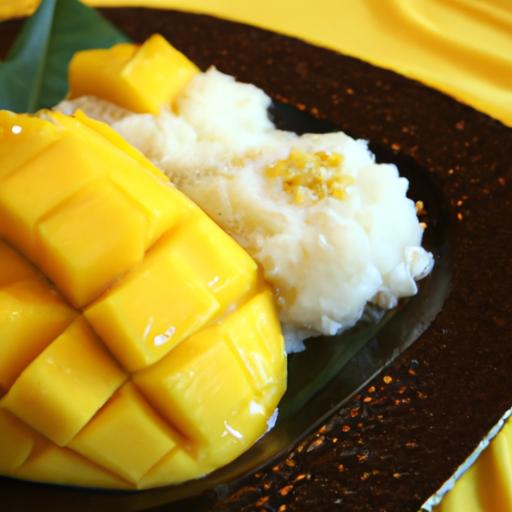

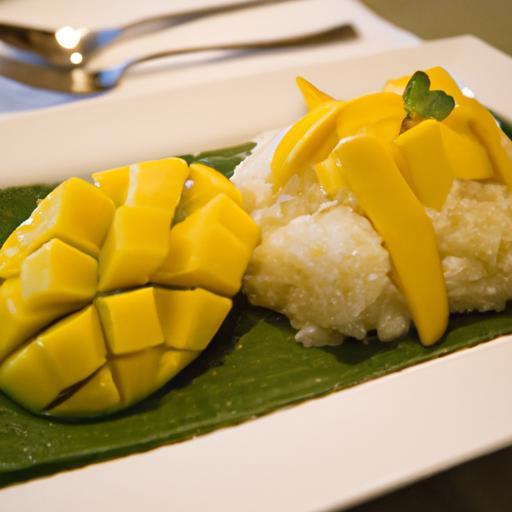
In the vibrant tapestry of thai cuisine, few desserts capture the essence of tropical bliss quite like mango sticky rice. This humble yet enchanting dish weaves together the creamy richness of coconut-infused sticky rice with the sun-kissed sweetness of ripe mangoes,creating a symphony of flavors that dance on the palate. More than just a treat,Thai mango sticky rice is a cultural treasure-an edible festivity of seasonality,tradition,and the art of balance. Join us as we explore the magic behind this beloved dessert, uncovering its history, ingredients, and the simple joys that make it a sweet harmony cherished around the world.
The Origins and Cultural Importance of Mango Sticky Rice
Sweet Harmony starts with more than just a delightful taste-it’s a celebration of tradition and thai heritage. Mango sticky rice, or khao niao mamuang, has been a beloved Thai seasonal delicacy for centuries, notably enjoyed during the mango harvest from April to June. Rooted deeply in Thai culture, this dessert epitomizes the balance of flavors-sweet, creamy, and subtly salty-symbolizing life’s harmonious pleasures.
In many Thai households,mango sticky rice is not just food but a symbol of generosity and celebration,often prepared during festive occasions and family gatherings.The sticky rice used in this dish reflects agricultural pride, showcasing the region’s sticky rice cultivation that dates back to ancient times. This humble yet elegant dessert is celebrated nationally, even inspiring festivals dedicated to this sweet harmony of flavors.
Choosing the Perfect Mangoes and Glutinous Rice for Authentic Flavor
Selecting the right ingredients is key to capturing the authentic magic behind this dish. For mangoes, opt for varieties like Nam Dok Mai or Keo Savoy, prized for their vibrant golden flesh, intoxicating fragrance, and delicate sweetness. These mangoes are perfectly ripe when slightly soft to the touch but not overly mushy, offering the ideal balance of juicy flesh and firmness.
For the sticky rice, always choose high-quality glutinous rice, also known as sweet rice.Its unique texture-sticky yet tender-is essential. Rinse the rice multiple times until the water runs clear to remove excess starch, ensuring a soft but cohesive finish after steaming. Soaking the rice overnight will further soften the grains, a step that guarantees the silky texture thai mango sticky rice enthusiasts cherish.
Step by Step Guide to Crafting the Ideal Sweet and Creamy Coconut Sauce
Central to mango sticky rice’s success is its luscious coconut sauce, wich carries the perfect balance of sweetness and richness with a hint of saltiness that elevates the dish. Here’s a step-by-step process to achieve that luxurious creaminess:
- Heat 1 cup full-fat coconut milk gently in a saucepan over low heat-avoid boiling to prevent curdling.
- Add ½ cup palm sugar or light brown sugar slowly, stirring continuously until fully dissolved into the coconut milk, producing a golden, aromatic base.
- Stir in ½ teaspoon fine sea salt to balance the sweetness and enhance the coconut’s natural flavors.
- In a small bowl, mix 2 tablespoons of rice flour or tapioca starch with ¼ cup cold water to create a slurry, then gradually whisk into the warm coconut mixture.
- Simmer on low until the sauce thickens slightly-about 5 minutes-stirring frequently for a velvety finish.
- Remove from heat and allow to cool to room temperature. This sauce will soak into the rice and mingle perfectly with mango slices at serving time.
Expert Tips for serving and Pairing Mango Sticky Rice to Elevate Your experience
for an authentic presentation, gently mound the sticky rice on a plate or banana leaf, fanning thin, ripe mango slices beside it. Drizzle the sweet coconut sauce generously across the rice-enough to saturate but not drown. For an extra touch of customary texture and aroma, sprinkle roasted white sesame seeds on top or garnish with fresh mint leaves.
Pair your dish with a refreshing Thai iced tea or a subtly fruity jasmine tea to complement the tropical sweetness. For those looking to add texture, a handful of crispy coconut chips or toasted mung beans sprinkled on top adds a delightful crunch without overpowering the delicate balance.
Serving mango sticky rice slightly warm or at room temperature preserves its creamy softness and succulent mango flavor, making every bite a soulful, Sweet Harmony.
Prep and Cook Time
- Planning: 15 minutes (plus soaking time for rice overnight)
- Cooking: 30 minutes
- Total: Approximately 45 minutes (excluding soaking)
Yield
- Serves 4 people generously
Difficulty Level
- Easy to Medium: Suitable for home cooks familiar with steaming and balancing flavors
Ingredients
- 1 cup glutinous (sticky) rice, rinsed and soaked overnight
- 1 ½ cups coconut milk, full-fat
- ½ cup palm sugar (or light brown sugar)
- ½ teaspoon sea salt
- 2 ripe Nam Dok Mai mangoes, peeled and sliced
- 2 tablespoons rice flour or tapioca starch (for coconut sauce thickening)
- Roasted white sesame seeds, for garnish (optional)
- Fresh mint leaves, for garnish (optional)
Instructions
- Drain the soaked sticky rice thoroughly. Prepare a steamer with boiling water and line the steaming basket with cheesecloth or banana leaf to prevent rice from falling through.
- Steam the sticky rice for 20-25 minutes, covering tightly and checking water level to avoid drying out. Halfway through,gently fluff rice with a fork to steam evenly.
- While rice steams, prepare the coconut sauce: warm coconut milk gently over low heat and dissolve palm sugar fully; stir in salt and rice flour slurry.Simmer and whisk frequently until thick and glossy.
- When rice is done, transfer it to a large mixing bowl. Slowly pour 1 cup of the warm coconut sauce over hot rice, folding gently to combine. Cover and let the rice absorb the sauce for 15-20 minutes.
- Arrange sticky rice on serving plates or banana leaves. Fan mango slices alongside the rice and drizzle extra coconut sauce on top.
- Garnish with roasted sesame seeds and fresh mint leaves for texture and color contrast.
- Serve immediately,ideally at room temperature for best flavor and texture.
Chef’s Notes and Tips for Success
- For the best results, soak the rice at least 6-8 hours or overnight-this softens the grains and shortens steaming time.
- If you prefer an even creamier sauce, add a splash more coconut milk when mixing with the rice but be mindful not to oversaturate.
- Substitute palm sugar with light brown sugar if unavailable,but palm sugar adds a richer caramel undertone true to tradition.
- Use a digital thermometer-aim for coconut milk warming around 70°C (160°F) to keep it silky without breaking.
- Make-ahead tip: Prepare sticky rice and coconut sauce separately and warm gently on the day of serving.
- For a vegan version without refined sugar, replace palm sugar with coconut sugar and verify ingredients accordingly.
Serving Suggestions
- present on vibrant ceramic plates or woven banana leaves for an authentic Thai aesthetic.
- Pair with a refreshing herbal iced tea or chilled coconut water to balance richness.
- Add textural contrast with a sprinkle of crushed roasted peanuts or toasted mung beans.
- Serve alongside tropical fruit salads to enhance the island-inspired dining experience.
| Nutritional Info (per serving) | Calories | Protein | Carbs | Fat |
|---|---|---|---|---|
| Mango Sticky Rice | 320 kcal | 4 g | 60 g | 7 g |
| Coconut Sauce (per ¼ cup) | 120 kcal | 1 g | 14 g | 7 g |
Discover more tasty Thai desserts or learn about the history of coconut in Southeast Asian cuisine from Britannica.

Q&A
Q&A: Sweet harmony – Discover the magic of Thai Mango Sticky Rice
Q1: What makes Thai mango sticky rice such a beloved dessert?
A1: Thai mango sticky rice is a delightful harmony of textures and flavors-creamy, sweet coconut-infused sticky rice paired with ripe, luscious mango slices. This exquisite balance creates a sensory experience that feels both comforting and refreshingly vibrant, making it a beloved treat across Thailand and beyond.
Q2: How is the sticky rice prepared to achieve its signature texture?
A2: Traditionally, glutinous rice-frequently enough called sticky rice-is soaked overnight and steamed rather than boiled.This gentle steaming keeps the grains tender yet chewy, allowing them to cling together with a cohesive stickiness that’s perfect for absorbing the richness of coconut milk.
Q3: What role does coconut milk play in this dessert?
A3: Coconut milk is the heart of sweet harmony in mango sticky rice.It’s mixed with sugar and a pinch of salt, then poured over the warm sticky rice, infusing it with creamy sweetness and a subtle hint of tropical fragrance. This velvety coating enhances the rice’s texture and complements the fruity brightness of the mango.
Q4: Are there specific types of mangoes best suited for this dish?
A4: Yes, the best mangoes for sticky rice are typically fragrant, sweet, and firm yet juicy.Varieties such as Nam Dok Mai or Keo Savoy are prized in Thailand for their golden flesh and delicate aroma, which perfectly counterbalance the richness of the coconut rice.
Q5: Can mango sticky rice be enjoyed year-round, or is it seasonal?
A5: While mango sticky rice is available anytime you can find sticky rice and coconut milk, it truly shines during mango season, which peaks in the hot months of April to June in Thailand. During this time, mangoes are at their sweetest and juiciest, elevating the dessert to new heights of delight.
Q6: Are there any traditional garnishes or accompaniments served with mango sticky rice?
A6: Often, mango sticky rice is adorned with toasted mung beans or sesame seeds for a subtle crunch that contrasts beautifully with the softness of the rice and mango. A drizzle of more coconut cream on top adds an elegant finish, turning the dish into a feast for both the eyes and palate.
Q7: How has mango sticky rice influenced or inspired other desserts?
A7: This beloved classic has inspired countless reinterpretations-from ice cream and smoothies to pancakes-infusing the enchanting flavor of mango and coconut into new creative forms. Yet, the original balance of sticky rice and ripe mango remains the gold standard for a taste of true Thai sweetness.
Q8: Is mango sticky rice suitable for vegetarians and vegans?
A8: Absolutely! As mango sticky rice is made with natural plant-based ingredients-sticky rice, coconut milk, sugar, salt, and fresh mango-it’s a perfect dessert for vegetarians and vegans craving a luscious, fruit-forward treat without any animal products.
Q9: What cultural significance does mango sticky rice have in Thailand?
A9: More than just a dessert, mango sticky rice embodies the spirit of Thai hospitality and celebration.it is often enjoyed during festivals and family gatherings, symbolizing unity and the joyous sweetness of life’s moments shared with loved ones.
Q10: Can I make mango sticky rice at home easily?
A10: With a little preparation, yes! While the exact texture of perfectly steamed sticky rice takes practise, the recipe requires just a handful of simple ingredients and patience. Once mastered, it’s a rewarding culinary journey into the heart of Thai sweet traditions, delivering magic with every bite.
In Conclusion
As the vibrant flavors of mango and sticky rice dance on your palate, you begin to understand why this humble Thai dessert has captured hearts worldwide. More than just a dish, Sweet Harmony embodies the perfect balance of sweetness, texture, and tradition-a culinary symphony that invites you to savor every bite. Whether enjoyed on a bustling Bangkok street or recreated in your own kitchen, mango sticky rice offers a delicious glimpse into Thailand’s rich cultural tapestry. So next time you crave a taste of something truly magical, let this golden-hued delight transport you to the sunlit orchards and fragrant markets were its story began.