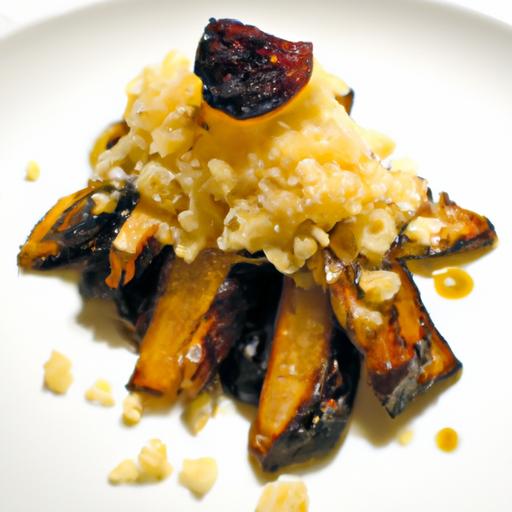


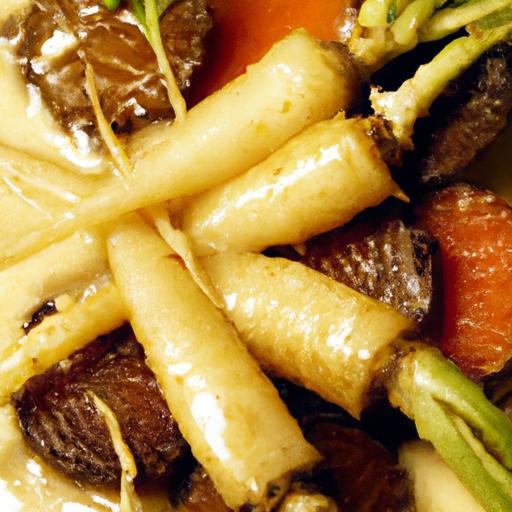
There’s something truly magical about the humble parsnip when it emerges from the oven, transformed into a golden-hued delight that captivates both the eye and the palate. In the world of roasted vegetables, Roasted Parsnips hold a special place-a root vegetable that marries earthiness with subtle sweetness, creating a symphony of flavors when cooked just right. But achieving that perfect balance-the caramelized crisp edges, the tender, buttery interior-is both an art and a science. Join us as we delve into the secrets behind roasting parsnips to perfection, exploring the techniques, the chemistry, and the creativity that elevate this unassuming root into a celebrated culinary treasure.
Golden Delight begins with the simple joy of selecting the perfect parsnips-the humble root that transforms from earthy to exquisitely sweet with just a kiss of heat. These crisp, fragrant vegetables, native to Eurasia and cherished since ancient times, are at their peak in the colder months, offering a naturally sugary base that caramelizes beautifully when roasted. Mastering the art means embracing both the science of temperature and timing and the magic of complementary herbs and spices to elevate every bite into a golden masterpiece.
Prep and Cook Time
- Preparation: 15 minutes
- Roasting: 30-40 minutes
- Total Time: 45-55 minutes
Yield
Serves 4 as a delightful side dish
Difficulty Level
Easy
Ingredients
- 1½ pounds fresh parsnips,peeled and cut into uniform sticks (~¾ inch thick)
- 3 tablespoons extra virgin olive oil
- 1 teaspoon kosher salt
- ½ teaspoon freshly ground black pepper
- 1 teaspoon fresh thyme leaves (or ½ teaspoon dried)
- 1 teaspoon fresh rosemary,finely chopped
- ½ teaspoon ground cumin
- 2 cloves garlic,minced
- 1 tablespoon pure maple syrup (optional,enhances caramelization)
- Fresh parsley for garnish
Selecting the Perfect Parsnips for Roasting Excellence
Look for parsnips that are firm,smooth,and free from blemishes. Younger,medium-sized roots tend to roast more evenly and develop a tender interior with crisp edges. Avoid overly large parsnips, as they can be woody and fibrous. Their pale cream skin should feel heavy for their size, hinting at natural sugars that will deepen during roasting and bring out that coveted golden delight.
Mastering the Roast Temperature and Timing for Ultimate Caramelization
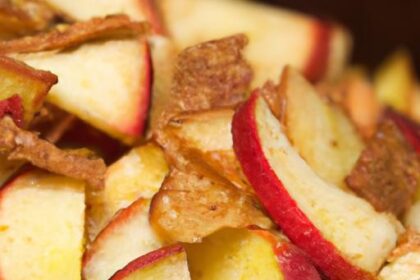
Preheat your oven to 425°F (220°C),the sweet spot where caramelization reaches its peak without drying out the parsnips. Spread them out on a baking tray in a single layer with room to breathe-crowding will steam rather than crisp.Roast for 30 to 40 minutes, turning halfway through, until they are luxuriously golden with slightly brittle edges and a tender, buttery center. the high heat encourages the natural sugars to grill into a perfect balance of caramel and earthiness that makes roasted parsnips irresistible.
Unlocking Flavor Layers with Complementary Herbs and Spices
Combining fresh thyme and rosemary with a whisper of cumin creates a layered flavor profile that is herbal, warm, and slightly smoky. Garlic infuses the oil and parsnips with a subtle pungency, while a drizzle of maple syrup (optional) amplifies the caramel notes without overpowering their natural sweetness. Sprinkle herbs just before roasting for best aromatic results, or finish with a fresh burst of parsley for a bright, verdant contrast.
Instructions
- Preheat oven to 425°F (220°C). Line a large baking sheet with parchment paper or a silicone mat for easy cleanup.
- Prepare parsnips: Peel and cut them into evenly sized sticks to ensure uniform roasting.
- In a large bowl,toss parsnips with olive oil,salt,black pepper,thyme,rosemary,cumin,and minced garlic until each stick is well-coated.
- Arrange the parsnips in a single layer on the baking sheet, making sure there’s space around each piece for even heat distribution.
- Optional: Drizzle maple syrup evenly over the parsnips to enhance caramelization and add a subtle sweetness.
- Roast in the oven for 15-20 minutes, then use a spatula to gently flip or turn each parsnip to ensure even browning.
- Continue roasting another 15-20 minutes until the parsnips are deeply golden, caramelized around the edges, and fork-tender.
- Remove from oven and instantly sprinkle with fresh parsley for a touch of color and brightness.
- Serve warm and enjoy the symphony of crisp texture and layered flavors.
Tips for Success
- Cut evenly: Uniform sizes guarantee that all parsnips roast at the same pace, preventing some from burning while others remain hard.
- Use fresh herbs: They bring a vibrant aroma impossible to replicate with dried options alone. If dried must be used, add earlier to allow their flavors to bloom.
- Avoid overcrowding: Too many parsnips too close together trap moisture and impede caramelization.
- Make-ahead: Prep and season your parsnips the night before and keep them refrigerated; roast fresh for the best texture and aroma.
- variations: Swap maple syrup with honey or a sprinkle of smoked paprika for a unique twist.
Serving Suggestions and Creative Recipes to Elevate Your Roasted Parsnips
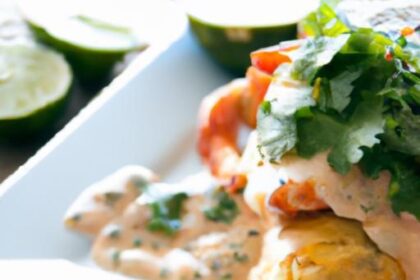
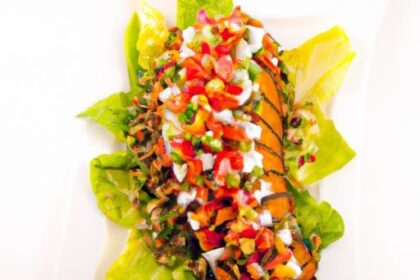
Roasted parsnips make a versatile foundation or side to elevate any meal. Pair them with a dollop of tangy Greek yogurt and a sprinkle of toasted pistachios for a refined appetizer. Combine with roasted root vegetables and a drizzle of balsamic for a rustic fall salad. Or serve alongside vibrant quinoa pilaf and lemon-tahini sauce for an irresistible vegetarian main dish. Garnish with a fresh herb sprig or a light dusting of flaky sea salt to create a feast for both the eyes and palate.

| Nutrient | Per Serving (4 servings) |
|---|---|
| Calories | 140 |
| Protein | 2 g |
| Carbohydrates | 30 g |
| Fat | 5 g |
For an in-depth guide on roasting other root vegetables, visit our Root Vegetable Roasting Guide. To understand more about parsnip nutrition and health benefits, explore this comprehensive article by Healthline.
Q&A
Q&A: Golden Delight – The Art and Science of Roasted Parsnips
Q1: What makes roasted parsnips such a standout side dish?
A1: Roasted parsnips offer a unique blend of sweet earthiness combined with caramelized edges that deliver a crispy, golden texture. Their natural sugars mellow and intensify with roasting, creating a delightful balance between soft, tender interiors and lightly crisp exteriors.This transformation makes them more than just a humble root vegetable-they become a centerpiece of flavor and texture.
Q2: How does the science of roasting affect parsnips?
A2: When parsnips roast, a series of chemical reactions take place.The Maillard reaction, which occurs between amino acids and reducing sugars at high heat, develops those prized golden-brown crusts and complex savory aromas. Simultaneously, natural starches break down into simpler sugars, enhancing sweetness. This dual process creates the signature “golden delight” that distinguishes roasted parsnips from their boiled or steamed counterparts.
Q3: What are some essential tips for achieving perfectly roasted parsnips?
A3: First, uniform cutting is key: slices or sticks of equal size ensure even cooking. Preheating the oven to a high temperature (around 425°F or 220°C) encourages caramelization. Tossing the parsnips in a bit of oil and seasoning with salt, pepper, and herbs forms a flavor-packed crust.Lastly, avoid overcrowding the pan-space allows hot air to circulate and crisp up the edges beautifully.
Q4: Can you elevate roasted parsnips with creative seasoning or accompaniments?
A4: Absolutely! While simple salt and pepper highlight the natural flavors, experimenting with warm spices like cumin, coriander, or smoked paprika can add depth and intrigue.Fresh herbs such as thyme, rosemary, or parsley bring brightness. A drizzle of honey or a splash of citrus juice post-roasting can add contrasting sweetness or acidity that lifts the dish. For texture,sprinkle toasted nuts or seeds over the top for an added crunch.
Q5: How can roasted parsnips fit into a balanced meal?
A5: Roasted parsnips are wonderfully versatile: they pair beautifully with hearty grains,roasted vegetables,or protein-rich mains such as roasted chicken,lentils,or chickpeas. Their comforting sweetness complements savory dishes and can even star in warm grain bowls or as a topping for creamy mashed potatoes. Rich in fiber and nutrients like potassium and vitamin C, they contribute both flavor and wholesome nourishment.
Q6: Are there any common mistakes to avoid when roasting parsnips?
A6: Overcrowding the pan can lead to steaming rather than roasting, resulting in soggy or unevenly cooked roots. Using too little oil will prevent that coveted caramelized crust, while too much oil can cause greasiness. Another pitfall is roasting at too low a temperature, which slows the Maillard reaction and can leave the parsnips bland and pale.Lastly, cutting them inconsistently means uneven cooking-some bites will be mushy, others burnt.
Q7: Why are parsnips frequently enough overlooked,and why should we reconsider them?
A7: Parsnips sometimes get overshadowed by more commonly roasted vegetables like carrots or potatoes,perhaps due to their less vibrant appearance.However, once roasted properly, they offer a complex, sweet, nutty flavor that is both comforting and complex. Reconsidering parsnips invites a deeper appreciation of seasonal, root-based eating and encourages culinary creativity beyond the usual suspects.
Whether you’re new to this golden root or a seasoned vegetable enthusiast, roasting parsnips is an art worth mastering. With a blend of attentive technique and scientific magic, these humble roots transform into a dazzling dish that captivates the palate and elevates any meal.
Wrapping Up
As the gentle caramelization of parsnips transforms their humble roots into golden delights, we are reminded that cooking is both an art and a science.Every crisp edge and tender bite tells a story of heat, time, and technique perfectly balanced. Whether you’re a seasoned chef or a curious home cook, embracing the nuances of roasting parsnips invites you to savor nature’s sweetness in its most glorious form. So next time you reach for this unassuming vegetable, remember: beneath its pale skin lies a canvas for flavor, waiting to be painted with the warmth of your oven and the creativity of your kitchen.