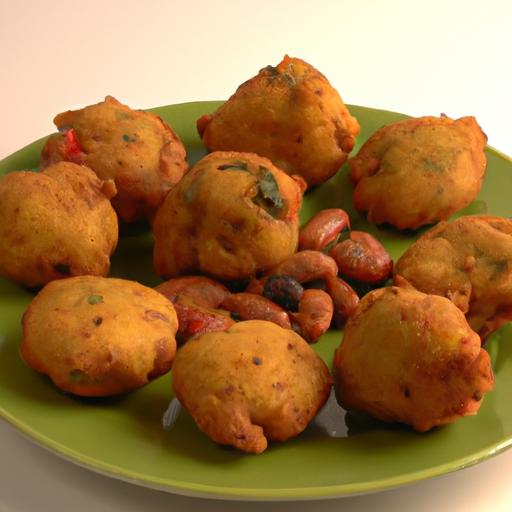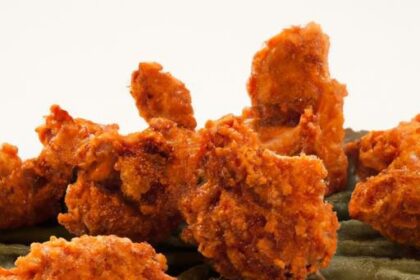

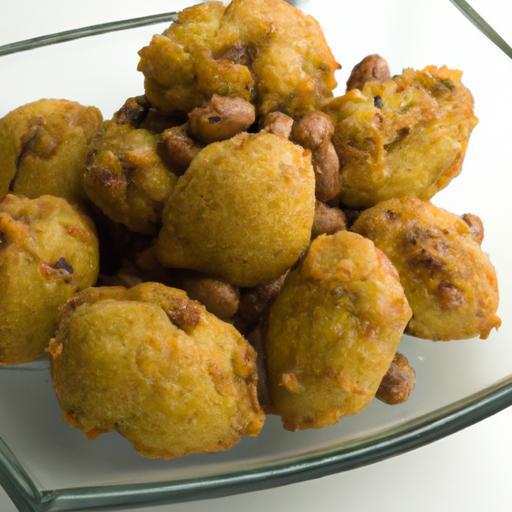
Golden, crisp, and irresistibly fragrant, akara is more than just a street food snack-it’s a beloved culinary treasure that tells the vibrant story of West Africa’s rich heritage. These deep-fried bean fritters,with their airy interiors and perfectly crunchy exteriors,have been delighting taste buds for generations. As you bite into Akara,you’re not only savoring a delicious treat but also joining a centuries-old tradition that blends simple ingredients with expert craftsmanship. Join us on a flavorful journey to discover the origins, cultural meaning, and mouthwatering appeal of West Africa’s crispy bean delicacy: Akara.
origins and Cultural Significance of Akara in West African Cuisine
Akara, West Africa’s crispy bean delicacy, carries rich cultural significance and a remarkable history. Originating from Nigeria and beloved across countries such as Ghana, Benin, and Sierra Leone, this beloved street food has roots that trace back centuries. Traditionally made by frying seasoned black-eyed pea batter, Akara serves as both a ritualistic and daily comfort food. It is indeed frequently enough prepared for festive occasions, breakfast, or as a satisfying snack shared among family and friends. Akara’s golden, crispy exterior coupled with a soft, savory interior embodies West African hospitality and community spirit.
Growing up in Lagos, the aroma of freshly fried Akara filled the streets every morning, an aroma that spoke of warmth and impending joy.it’s not just food but a celebration of heritage, often accompanied by lively conversations and laughter. Beyond its role as food, Akara connects generations and continues to inspire chefs worldwide to experiment and elevate this simple yet profound dish.
Mastering the Art of Akara: Ingredients and Planning techniques
Mastering West Africa’s crispy bean delicacy means understanding its humble yet precise ingredient list and time-honored preparation methods. The heart of Akara lies in well-processed black-eyed peas, transformed into a fluffy batter that fries to perfection. Achieving the ideal texture-a crispy outside with a tender, moist inside-relies on the right blending technique and frying temperature.
Prep and Cook Time
- Preparation: 20 minutes (including soaking and peeling beans)
- Cooking: 15 minutes
- Total time: 35 minutes
Yield
Approximately 20 medium-sized Akara balls (serves 4-6)
Difficulty Level
Easy to Medium – perfect for home cooks ready to embrace authentic West African flavors.
Ingredients
- 2 cups dried black-eyed peas (soaked overnight and peeled)
- 1 small onion, finely chopped
- 1-2 fresh hot chilies, deseeded and chopped (optional)
- 1/2 teaspoon salt, or to taste
- 1/2 teaspoon ground crayfish (optional, adds depth)
- 1/4 teaspoon ground white or black pepper
- 1 teaspoon baking powder (for lightness and fluffiness)
- Vegetable oil for deep frying (enough to submerge the Akara balls)
Instructions
- Prepare the beans: After soaking, rub the black-eyed peas gently between your palms to peel off the skins; rinse and drain thoroughly. This step ensures a smooth batter and crispy texture.
- Blend the mixture: In a food processor or blender, combine the peeled beans, chopped onions, chilies, salt, pepper, and crayfish. Blend until a smooth, thick batter forms. Avoid adding water; the beans’ natural moisture is sufficient.
- Add baking powder: Stir the baking powder into the batter gently to aerate it, wich will produce light and fluffy Akara.
- Heat your oil: In a heavy-bottomed pot or deep fryer, bring vegetable oil to about 350°F (175°C).To test if it’s ready, drop a small blob of batter-if it sizzles and floats instantly, you’re set.
- Fry the Akara: Using a large spoon or small ice cream scoop, carefully drop dollops of batter into hot oil. Don’t overcrowd the pot to ensure even cooking.
- Golden perfection: Fry for 3-5 minutes, turning occasionally, until the fritters are deep golden brown and crisp on all sides. Use a slotted spoon to remove and drain on paper towels to eliminate excess oil.
- Serve warm: Enjoy immediately or keep warm in a low oven while frying the rest.
Tips for Success
- Peeling the beans: This may be time-consuming but is crucial for silky texture. For a shortcut, consider pre-peeled black-eyed pea flour, though the flavour may vary.
- Consistent temperature: Maintain the oil temperature steadily at 350°F; too hot burns the outside before cooking the interior, too cool absorbs excess oil.
- Baking powder: A small amount is key for fluffiness-too much leads to an off taste.
- Variations: Incorporate grated ginger for warmth, fresh herbs like parsley for brightness, or bell peppers for extra crunch.
- Make-ahead: Prepare batter up to 4 hours in advance and keep refrigerated; stir gently before frying.
Flavor Variations and Regional Twists to Elevate Your Akara Experience
While the core ingredients remain consistent, regional tweaks give akara delightful personality.In ghana, for instance, Akara is often paired with a spicy pepper sauce called shito or enjoyed alongside fried yams.In Nigeria, variations include adding Ugba (oil bean seeds) or incorporating dried fish powder for umami depth.
Experimenting with infusions like garlic, fresh herbs, or even finely diced vegetables can add dimension without drifting from tradition. Some communities relish a sweeter Akara by adding a touch of sugar or serving it with natural honey, creating a playful balance against the savory crispness.
These subtle yet transformative twists invite you to put a personal stamp on West Africa’s crispy bean delicacy, making your Akara uniquely yours while honoring its soul.
Pairing Akara with Traditional sides and Beverages for the Perfect Meal
Completing your Akara experience involves thoughtful pairings that complement its flavors and textures. The fritters shine brightest when served with a side of pap (ogi), a smooth fermented corn pudding traditionally eaten for breakfast. The creamy, mildly tangy pap contrasts beautifully with the crunchy Akara, creating a harmonious balance.
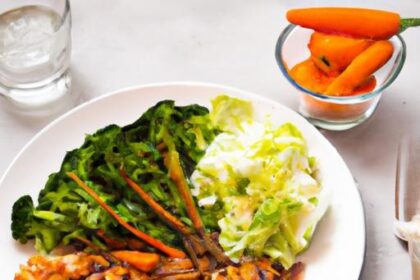
For heartier meals, Akara is excellent alongside moin moin (steamed bean pudding) or paired with garri (fermented cassava flakes), dipped into spicy pepper sauces that awaken the palate. Garnishing with fresh tomato salsa or slices of avocado adds a refreshing touch of vibrancy and colour.
On the beverage front, light, citrusy drinks like freshly squeezed orange juice or traditional West African ginger tea provide a zesty counterpoint that cleanses the palate between bites. For an authentic street-food vibe, pair Akara with chilled coconut water, quenched under the heat of the day.
| Nutrient | Per Serving (3 pieces) |
|---|---|
| Calories | 210 kcal |
| Protein | 11 g |
| Carbohydrates | 22 g |
| Fat | 8 g |

To explore more Nigerian and West African delights that pair wonderfully with Akara, check out our guide on Nigerian Street Food Classics. For an in-depth history of black-eyed peas and their culinary journey, visit this classic botanical resource.
Q&A
Q&A: Akara – discovering West Africa’s Crispy Bean Delicacy
Q1: What exactly is Akara?
A1: Akara is a beloved West African snack made from black-eyed peas that have been peeled, ground into a smooth batter, seasoned, and deep-fried to golden, crispy perfection.It’s a delicious, protein-packed treat that’s crispy on the outside and tender inside-a perfect example of simple ingredients transformed by expert technique.
Q2: Where does Akara come from?
A2: akara has deep roots in west african cuisine, especially in Nigeria, ghana, and Sierra Leone. Its popularity stretches across the region, and each community adds its own subtle twists, but the core essence of Akara remains the same-a celebration of the humble bean.
Q3: How is Akara traditionally prepared?
A3: The process starts with soaking black-eyed peas to soften them, then peeling off their skins for a silky batter. The peeled beans are ground with onions,chili peppers,salt,and spices before being scooped into hot oil-where they puff up into airy,crispy fritters.The frying technique is key to achieving that signature crunchy crust.
Q4: What makes Akara unique compared to other fritters or bean snacks?
A4: Akara’s uniqueness lies in its silky texture and well-balanced flavor-earthy beans combined with fragrant spices, ajo (onion), and a subtle hint of heat from chili. Unlike some bean fritters that might be dense, Akara is wildly light and crispy due to the soaking and peeling process that removes excess starch and bitterness.
Q5: Can Akara be enjoyed beyond a snack?
A5: Absolutely! While Akara is frequently enough savored as street food or breakfast, it’s versatile enough to be part of a full meal. In Nigeria, it’s commonly paired with pap (a smooth corn porridge) or wrapped in bread with a drizzle of spicy sauce for a hearty sandwich. It can also accompany salads or stews for an added protein boost.
Q6: What are some common seasonings or additions in Akara?
A6: Classic Akara seasoning relies on simple yet flavorful ingredients: chopped onions, fresh chili peppers, salt, and sometimes a touch of ground crayfish or ginger to deepen the taste. Some cooks add fresh herbs like parsley or locust beans (iru) to give Akara a savory complexity.
Q7: Is Akara suitable for people with dietary restrictions?
A7: Yes! Akara is naturally vegan and gluten-free, made primarily from beans, onions, and spices. It’s a great source of plant-based protein and fiber, making it an excellent choice for vegetarians, vegans, and anyone seeking wholesome, allergen-pleasant snacks.
Q8: How can someone outside West Africa enjoy Akara at home?
A8: Making Akara at home is a rewarding kitchen adventure! Start with dried black-eyed peas,soak,peel,and blend them into a smooth batter. Season liberally, then fry spoonfuls in hot oil until golden and crispy. Serve with a spicy dipping sauce or simply enjoy them fresh and warm-the aroma alone will transport you!
Q9: What cultural significance does Akara hold?
A9: Beyond its deliciousness, Akara carries cultural weight as a symbol of ingenuity and community. It’s a staple at celebrations, markets, and family gatherings, where recipes and techniques are passed down through generations. Akara embodies the spirit of West African hospitality and culinary heritage.
Q10: Any tips for achieving perfect Akara?
A10: The secret to stellar Akara lies in patience: soak the beans long enough and be meticulous about peeling to ensure a smooth batter. Don’t overcrowd the frying pan-give each fritter enough space to puff up and crisp evenly. Also, use fresh oil at the right temperature (around 350°F/175°C) for that irresistible golden crust!
Discover Akara and you’re not just tasting a snack-you’re embracing a crunchy, flavorful story that’s been sizzling in West african kitchens for centuries. Enjoy every bite!
Insights and Conclusions
As the final golden Akara fritters sizzle to perfection and the inviting aroma fills the air, it’s clear that this humble West African delicacy is much more than just a snack. Akara carries within its crispy exterior a rich tapestry of history, culture, and communal warmth-each bite a celebration of tradition and taste. Whether enjoyed on bustling market streets or in the comfort of home, Akara offers a delicious gateway into the culinary heart of West Africa. So next time you seek a flavorful adventure, let Akara lead you to the crunchy, savory delight that continues to unite generations and palates around the world.