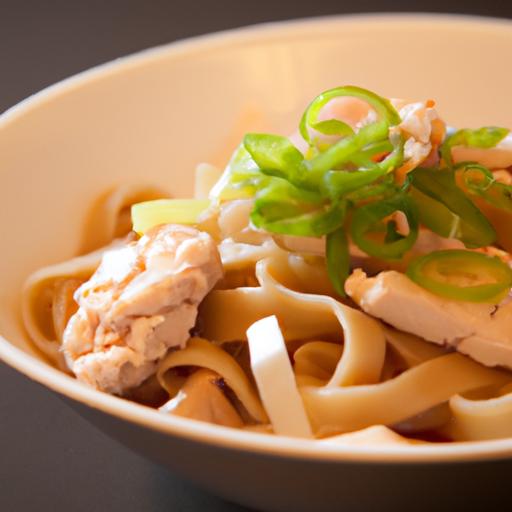


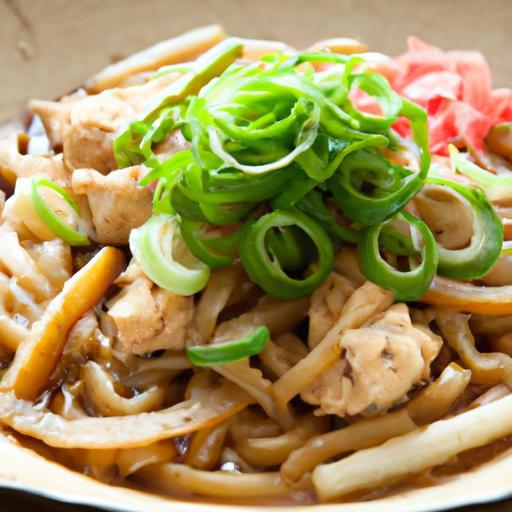
There’s a unique joy to be found in a bowl of steaming, savory chicken udon-a humble yet hearty dish that warms both body and soul. Combining the chewy embrace of thick udon noodles with tender, flavorful chicken and a delicate broth, chicken udon is a comforting culinary experience that transcends mere sustenance.In this article, we’ll dive into the rich history, essential ingredients, and cultural significance of chicken udon, uncovering why this beloved Japanese noodle soup continues to captivate palates around the world.Whether you’re a seasoned foodie or new to Japanese cuisine, join us as we savor the comfort and explore the delightful depths of chicken udon.
Savor the comfort: exploring the delight of chicken udon invites you to a soulful culinary journey rooted in Japan’s rich food heritage. This hearty noodle soup is not just a meal; it’s a reflection of regional traditions and a warm embrace of home-cooked nourishment. Originating centuries ago as a simple dish for travelers and farmers, chicken udon has evolved into a comforting classic that balances delicate broth, tender chicken, and chewy udon noodles. Each bowl tells a story of culture, seasonality, and the art of perfect balance-qualities any home cook can celebrate and recreate.
Prep and Cook Time
- Planning: 20 minutes
- cooking: 40 minutes
- Total Time: 1 hour
Yield
Serves 4 hearty portions
Difficulty Level
Medium – approachable for cooks ready to master broth-making and layering flavors
Ingredients
- 8 cups low-sodium chicken broth
- 1 lb boneless, skin-on chicken thighs
- 14 oz fresh udon noodles (or frozen)
- 2 tbsp soy sauce (preferably light)
- 1 tbsp mirin (Japanese sweet rice wine alternative can be used)
- 1 tsp grated ginger
- 2 cloves garlic, minced
- 1/2 tsp dashi powder (optional, enhances umami)
- 2 scallions, thinly sliced, for garnish
- 1 small carrot, julienned
- 1 cup shiitake mushrooms, sliced
- 1 tbsp toasted sesame oil
- Salt and freshly ground black pepper, to taste
- Shichimi togarashi (Japanese seven-spice) for optional heat
Instructions
- Prepare the broth. In a large pot, heat the chicken broth over medium heat. Add the grated ginger, minced garlic, and dashi powder, stirring until fragrant.
- Brown the chicken. While the broth simmers, heat toasted sesame oil in a skillet over medium-high heat. Pat dry the chicken thighs and sear skin-side down until golden and crisp, about 5 minutes. Flip and cook for another 3 minutes. Remove and set aside.
- Simmer the chicken in the broth. Submerge the seared chicken thighs into the simmering broth.Reduce heat to low and let gently poach until fully cooked and tender, about 20 minutes. remove chicken and shred or slice thinly.
- Cook the udon noodles. in a separate pot, boil fresh udon noodles according to package instructions (usually 2-3 minutes). Drain and rinse under cold water to stop cooking and maintain chewiness.
- Sauté the vegetables. Using the same skillet, add sliced shiitake mushrooms and julienned carrot. Sauté over medium heat for 4-5 minutes until tender but still vibrant. Season lightly with salt and pepper.
- Flavor the broth. Return the shredded chicken to the broth. Stir in soy sauce and mirin. Taste and adjust seasoning with salt and pepper.
- Assemble the bowls. Divide noodles into each serving bowl. Ladle hot broth with chicken and vegetables over the noodles.
- Garnish and serve. Top with sliced scallions and a sprinkle of shichimi togarashi if desired. Serve immediately for a comforting, flavorful meal.
Chef’s Notes: Tips for Success
- Broth Base: For deeper flavor, use homemade chicken broth or a quality store-bought version. Avoid overly salty broths to keep balance when adding soy sauce.
- chicken Cuts: Skin-on thighs add richness and moisture. Remove skin after cooking if preferred less fat.
- Noodle Texture: Fresh or frozen udon offers the best chew. Avoid drying out by rinsing post-cooking in cold water.
- Vegetable Variations: Seasonal produce like bok choy, snap peas, or spinach can be swapped or added for freshness and color.
- Make-Ahead: Prepare broth and chicken up to 2 days in advance. Reheat gently before assembly to preserve texture and taste.
Serving Suggestions to Elevate Yoru Chicken Udon Experience
Present your bowl with a minimalist Japanese aesthetic in mind: a rustic ceramic bowl works wonders. Pair the dish with a crisp side of pickled daikon or a small cucumber sunomono salad to brighten the palate.A soft-boiled egg with a jammy yolk crowned with black sesame seeds adds both visual appeal and creamy indulgence. For additional textures, sprinkle toasted nori strips or crunchy tempura flakes. A steaming cup of green tea or mugicha (barley tea) beautifully complements this warming, umami-rich dish.
| Nutrient | Per Serving |
|---|---|
| Calories | 430 kcal |
| Protein | 35 g |
| Carbohydrates | 45 g |
| Fat | 10 g |

For further inspiration on Japanese noodle dishes,check out our Japanese Noodle Bowls collection. To expand your knowledge on authentic Japanese ingredients, visit Japan guide’s food section.
Q&A
Q&A: Savor the Comfort - exploring the Delight of Chicken Udon
Q1: What makes chicken udon such a comforting dish?
A1: Chicken udon wraps warmth and satisfaction into every slurp. The thick, chewy udon noodles provide a hearty base, while the savory chicken adds a tender, protein-rich twist. Combined with a gently seasoned broth, often enriched with soy sauce and dashi, the dish feels like an edible hug, perfect for chilly days or anytime you crave something soothing yet flavorful.
Q2: How does chicken udon differ from other noodle soups?
A2: Unlike thinner noodle soups, udon features uniquely thick and springy noodles that create a luscious mouthfeel. Chicken udon highlights the subtle sweetness of tender poultry, which pairs beautifully with the umami-packed broth. This balance results in a dish that’s both filling and delicately nuanced, distinguishing it from spicier or more intensely flavored noodle soups.
Q3: Can chicken udon be adapted for various dietary preferences?
A3: Absolutely! Chicken udon is incredibly versatile. For a lighter version, use lean chicken breast and a clear broth with vegetables like spinach or mushrooms. Those seeking richer flavors might prefer simmered thighs and a broth infused with kombu (kelp) and shiitake mushrooms. It can also be modified into a vegetarian-kind dish by substituting the chicken with tofu and enhancing the broth with mushroom-based dashi.
Q4: What are some key ingredients that bring out the signature flavors of chicken udon?
A4: the magic lies in simplicity and quality. Fresh udon noodles, tender chicken pieces, a savory broth crafted from dashi (a Japanese stock made from kelp and bonito flakes), soy sauce, and mirin create a harmonious flavor profile. Adding aromatics like scallions,ginger,and a touch of garlic elevates the dish without overwhelming its comforting essence.
Q5: How can one enhance the experience of eating chicken udon at home?
A5: Engaging the senses beyond taste can deepen the comfort factor. Serve the dish steaming hot in a deep bowl, letting the aroma of soy and dashi greet you. Garnish with fresh scallions, a sprinkle of sesame seeds, or a soft-boiled egg for texture contrast. Experiment with side dishes like pickled vegetables or a simple seaweed salad to balance the meal, creating a cozy and authentic dining moment.
Q6: Is chicken udon typically found in Japanese cuisine alone, or does it appear in other Asian culinary traditions?
A6: While chicken udon is quintessentially japanese, the concept of thick wheat noodles with poultry in broth crosses borders in various forms. Korean kalguksu and Chinese hand-pulled noodles feature similar comforting qualities, though their broths and spices differ. Chicken udon holds a distinct place in Japan’s culinary heritage, celebrated for its minimalist yet satisfying character
Q7: What seasonal touches can be added to chicken udon?
A7: Seasonality is key to truly savoring chicken udon.In winter, root vegetables like daikon and carrots add earthiness and sweetness to the broth. Spring might see the addition of fresh peas or bamboo shoots, while autumn welcomes mushrooms and chestnuts. These subtle inclusions honor nature’s rhythm and deepen the connection between the dish and its surroundings.
Q8: Why does chicken udon resonate with so many people worldwide?
A8: At its heart, chicken udon is more than a dish-it’s an experience of comfort, community, and simplicity. Its warm broth and tender noodles transcend cultural boundaries, offering a worldwide reminder that food can nurture body and soul alike. Whether enjoyed alone on a quiet evening or shared among friends, chicken udon invites everyone to slow down and savor the moment.
Future Outlook
As you wrap up your journey through the warm, savory world of chicken udon, it’s clear that this humble bowl offers more than just a meal-it’s an embrace for the soul. From the tender chicken and silky noodles to the rich, flavorful broth, every ingredient sings in harmony, creating a comforting experience that transcends cultures and traditions. Whether you’re seeking solace on a chilly evening or simply craving a dish that satisfies both body and spirit, chicken udon stands ready to welcome you with open arms. So next time hunger calls, savor the comfort of this timeless delight and let each spoonful transport you to a place of cozy contentment.