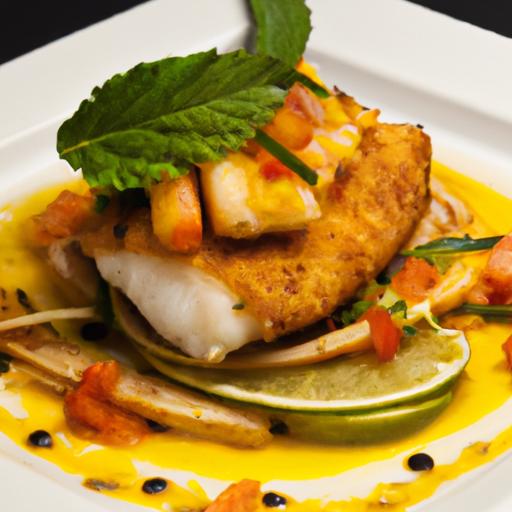

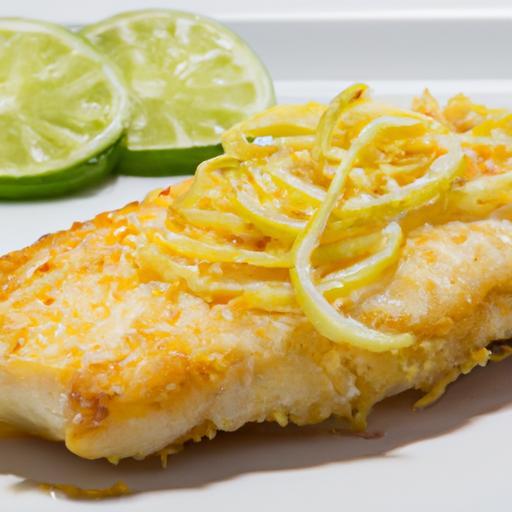
There’s something undeniably magical about teh first crisp snap of golden-brown fish hitting the plate-an irresistible harmony of texture and flavor that awakens the senses. Pescado Frito, or fried fish, is more than just a beloved dish; it’s a culinary tradition that captures the essence of coastal cultures around the world. From the sun-drenched shores of the Caribbean to the vibrant markets of Spain and Latin America, this deceptively simple planning transforms fresh fish into a crispy delight that tells a story of heritage, technique, and local flavor. In this exploration of Pescado Frito, we dive into the art behind the crunch, uncovering the secrets that turn humble ingredients into a golden masterpiece worthy of celebration.
Golden Crispy Delight begins with a celebration of simple ingredients transformed through centuries of tradition and technique. Originating from the coastal regions of Latin America, notably the Caribbean and Mexico, this beloved Pescado Frito is much more than a meal-it’s a cultural emblem of sun-soaked shores, festive family gatherings, and culinary artistry passed down from generation to generation.
Imagine biting into a perfectly fried fillet with crackling golden crust that shatters under your teeth, revealing tender, flaky fish infused with subtle hints of citrus and spice. this dish embodies the harmony of texture and flavor, elevating humble fish into a masterpiece that is both rustic and refined. From bustling street markets to seaside restaurants, Pescado Frito carries stories of vibrant communities united by their love for fresh fish and artisanal frying techniques.
Prep and Cook Time
- Preparation: 15 minutes
- Cooking: 15 minutes
- Total Time: 30 minutes
Yield
Serves 4
Difficulty level
Medium – Ideal for home cooks with some frying experiance.
Ingredients
- 1 ½ lbs fresh white fish fillets (snapper, tilapia, or cod), skin on if possible
- 1 cup all-purpose flour, sifted
- ½ cup cornmeal (for extra crunch)
- 1 teaspoon smoked paprika
- 1 teaspoon garlic powder
- ½ teaspoon cayenne pepper (optional for heat)
- Salt and freshly ground black pepper to taste
- 1 large egg, beaten
- ½ cup cold sparkling water or beer (for light batter)
- Vegetable oil or canola oil, for frying (enough to submerge fish)
- 1 lemon, cut into wedges for serving
Instructions
- Prepare the fish: Rinse and pat dry the fish fillets using paper towels. Lightly season both sides with salt and pepper.
- Make the dry coating: In a shallow bowl, whisk together the sifted flour, cornmeal, smoked paprika, garlic powder, cayenne pepper, salt, and black pepper. This blend ensures that golden crispiness and depth of flavor.
- Whisk the wet batter: In another bowl, combine the beaten egg and cold sparkling water (or beer). The carbonation creates a light, airy batter that fries to perfection.
- Coat the fillets: Dip each fish fillet first into the wet batter, allowing excess to drip. Then dredge it thoroughly in the dry mixture, pressing gently to ensure even coating.
- Heat the oil: Pour vegetable oil into a large heavy-bottom skillet or deep fryer until 2 inches deep. Heat to 350°F (175°C). Use a thermometer for consistent results.
- Fry the fish: Carefully place fillets in the hot oil without overcrowding.Fry for 3-4 minutes per side, until the coating is golden brown and the fish flakes easily with a fork. Adjust heat to prevent burning.
- Drain and rest: Remove the fried fish onto a wire rack over paper towels to drain excess oil. This keeps the coating crisp rather of soggy.
- Serve promptly: Arrange on a platter garnished with fresh lemon wedges and optional chopped parsley for a burst of color and brightness.
Tips for Success
- Picking the perfect fish: Look for firm, white-fleshed fish with minimal oiliness.Snapper or tilapia offers mild flavor and ideal texture for a crispy finish.
- keep it cold: Ensure batter ingredients remain chilled to maintain crunch.
- Oil temperature control: Maintain 350°F to 360°F for even cooking-too hot and the crust burns, too cool and the fish absorbs excess oil.
- Cook in batches: Crowding the pan lowers oil temperature and yields greasy results.
- Experiment with spices: Add cumin or coriander powder for regional flair, or substitute cornmeal with panko breadcrumbs available in many markets.
- Make-ahead tip: Pre-coat fish,cover lightly,and refrigerate for up to 30 minutes before frying to enhance crispiness.
- Use fresh lemon generously: A spritz of lemon cuts through the richness and elevates flavor balance.
Serving Suggestions
Present your pescado Frito alongside vibrant tropical salsas-mango or pineapple with cilantro and jalapeño create a lively contrast. A side of fluffy rice or fried plantains complements the dish beautifully. For a customary touch, serve with a simple cabbage slaw tossed in a tangy lime vinaigrette. Garnishing with fresh herbs like parsley or oregano adds a fresh aroma, inviting guests to savor every bite of this golden crispy delight.

Nutritional Information
| Nutrient | Per Serving |
|---|---|
| Calories | 320 |
| Protein | 34g |
| Carbohydrates | 15g |
| Fat | 12g |
Explore more seafood frying techniques to elevate your culinary skills. For history buffs, this Smithsonian article dives deeper into the fascinating cultural origins of fried fish in Latin America.
Q&A
Q&A: Golden Crispy Delight – Exploring the Art of Pescado Frito
Q1: What makes Pescado Frito a beloved dish across coastal cultures?
A1: pescado Frito, or fried fish, captivates taste buds worldwide with its irresistible combination of crunchy, golden exterior and tender, juicy interior. Its deep ties to coastal traditions celebrate fresh catch, simple seasoning, and a shared love of seaside feasts. The dish is as much about community and culture as it is about flavor.
Q2: How do chefs achieve that perfect golden crisp on Pescado Frito?
A2: the art of crispiness begins with the coating.A light dusting of seasoned flour or cornmeal creates the essential crunch. Maintaining hot oil-usually between 350°F and 375°F-is crucial, ensuring the fish cooks quickly, sealing in moisture while developing that iconic golden crust.Patience and the right temperature are the secret ingredients.
Q3: Is there a preferred type of fish for authentic Pescado Frito?
A3: While the choice varies by region, firm white fish like snapper, tilapia, or sea bass are frequently enough favored. Their mild flavor and sturdy texture lend themselves well to frying, holding up beautifully without falling apart. Freshness, however, trumps species-day-caught fish elevates the dish to a whole new level.
Q4: What role do marinades and seasoning play in this dish?
A4: Though Pescado Frito ofen keeps things simple, a splash of citrus juice, a sprinkle of sea salt, and hints of garlic or chili can infuse the fish with exciting undertones. Marinades with lime, cumin, or cilantro add vibrant notes that complement the crisp coating without overwhelming the fish’s natural flavors.
Q5: How has Pescado frito evolved in contemporary cuisine?
A5: Today’s chefs put creative spins on Pescado Frito by experimenting with coatings-think tempura batter, plantain crusts, or panko crumbs-and pairing the fish with inventive sauces, from smoky aiolis to tangy tropical salsas. This evolution honors tradition while inviting adventurous palates to experience the dish anew.
Q6: What side dishes traditionally accompany Pescado Frito?
A6: Classic accompaniments include fried plantains, rice and beans, fresh salads, or tangy coleslaw. These sides balance the fried fish’s richness, adding texture and flavor diversity-frequently enough with vibrant bursts of citrus or spice to refresh the palate between bites.
Q7: Can home cooks replicate restaurant-quality Pescado Frito?
A7: Absolutely! Mastery lies in choosing fresh fish, maintaining oil temperature, and not overcrowding the pan. Using a cast-iron skillet or a deep fryer helps with heat control. with practice and patience, even a home kitchen can transform humble fish into golden crispy delight.
Q8: Why does Pescado Frito resonate beyond its culinary appeal?
A8: Beyond taste, Pescado Frito is a symbol of cultural identity, family gatherings, and seaside traditions. It evokes sensory memories of salt air, laughter, and celebration, making it not just a dish but a storytelling experience passed down through generations.
Whether savored on a sun-drenched beach or recreated on a weeknight, Pescado Frito remains a timeless tribute to simplicity, flavor, and the artistry of frying fish just right.
Future Outlook
As the golden crust of pescado frito crackles with every bite,it’s clear that this beloved dish is more than just a meal-it’s a celebration of heritage,technique,and the simple joy of perfectly fried fish. from the careful selection of fresh catch to the delicate dance of seasoning and frying, the art of creating this crispy delight invites us to savor not only the flavors but the stories behind each plate. Whether enjoyed on sunlit shores or in cozy kitchens far from the sea, pescado frito remains a timeless testament to the magic that happens when tradition meets culinary craft. So next time you crave that irresistible crunch, remember: you’re biting into a masterpiece shaped by generations, waiting to be discovered one golden flake at a time.