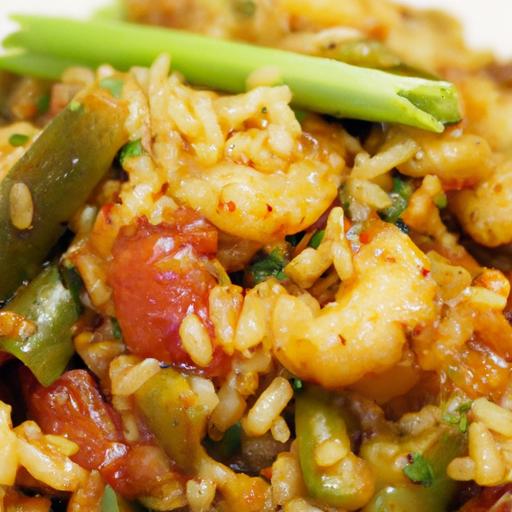

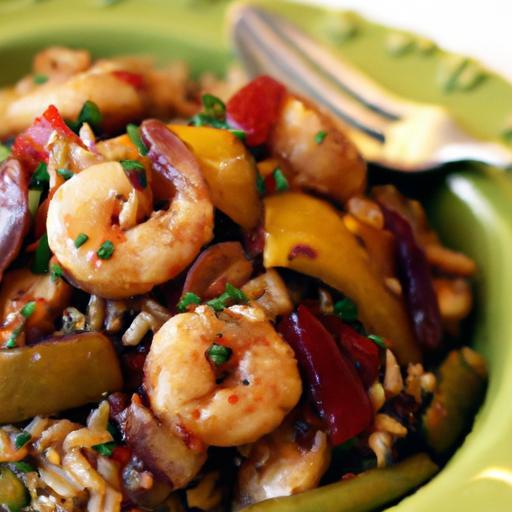
Bursting with vibrant hues and mouthwatering aromas, vegetable jambalaya invites you to embark on a culinary journey where tradition meets wholesome freshness. This colorful guide will unravel the secrets behind crafting a hearty, plant-powered version of the classic Creole dish, celebrating every crunchy carrot, tender tomato, and fragrant bell pepper that transforms simple ingredients into a symphony of flavor. Whether you’re a seasoned cook or a curious foodie, join us as we savor the layers of spice, texture, and colour that make vegetable jambalaya a feast for both the eyes and the palate.
Savor the Flavors of vegetable jambalaya by indulging in a symphony of crisp, vibrant vegetables and a masterfully blended spice mix that conjures the heart of Louisiana’s soulful cuisine. This dish marries bold textures and aromatic depth, bringing to life the essence of Cajun cooking with a colorful, plant-forward twist that invites both novice and seasoned cooks to create an unforgettable experience.
Prep and Cook Time of vegetable jambalaya
- Preparation: 20 minutes
- Cooking: 40 minutes
- Total: 1 hour
Yield
Serves 6 generous portions, perfect for family dinners or meal prepping.
Difficulty Level
Medium – approachable for cooks ready to explore layering flavors and textures with confidence.
Ingredients of vegetable jambalaya
- 1 tablespoon olive oil
- 1 large yellow onion, finely diced
- 2 stalks celery, diced
- 1 large green bell pepper, chopped
- 1 large red bell pepper, chopped
- 3 cloves garlic, minced
- 1 cup okra, sliced into 1/2-inch rounds
- 1 cup chopped tomatoes, fresh or canned
- 1 1/2 cups long-grain white rice, rinsed
- 3 cups vegetable broth, preferably low sodium
- 1 teaspoon smoked paprika
- 1 teaspoon dried thyme
- 1 teaspoon dried oregano
- 1/2 teaspoon cayenne pepper (adjust to taste)
- 1/2 teaspoon ground black pepper
- 1 teaspoon salt (plus more to taste)
- 2 teaspoons Worcestershire sauce (vegetarian/vegan if preferred)
- 1 bay leaf
- 1/4 cup chopped fresh parsley, for garnish
- 1/4 cup sliced green onions, for garnish
Instructions for a lovely vegetable jambalaya
- Heat the olive oil in a large, heavy-bottomed pot over medium heat. Add the diced onion, celery, and both bell peppers.Sauté until softened and translucent, about 6-8 minutes, stirring occasionally to develop sweetness.
- Add the minced garlic and sliced okra. Cook for an additional 3 minutes,allowing the okra’s unique texture to start melding with the vegetables while releasing it’s subtle earthiness.
- Incorporate the chopped tomatoes and stir well to combine. Let the mixture simmer gently for 5 minutes, enhancing the sauce’s richness.
- Sprinkle in the smoked paprika, thyme, oregano, cayenne, black pepper, and salt.Stir constantly, coating the vegetables with the spices to unlock a fragrant base.
- Pour in the rinsed rice, stirring to toast the grains lightly for 2 minutes. This step adds a nutty undertone and prevents clumping.
- Add the vegetable broth, Worcestershire sauce, and bay leaf.Bring the pot to a gentle boil, then reduce the heat to low, cover with a tight-fitting lid, and simmer for 25 minutes.Do not stir during this time to allow the rice to absorb flavors evenly.
- Once cooked, remove from heat and let stand, covered, for 10 minutes. This resting step finishes the rice’s texture, ensuring a fluffy yet cohesive jambalaya.
- Discard the bay leaf. Fluff gently with a fork to combine layers of taste and texture, then adjust seasoning as desired.
- Serve hot, garnished with freshly chopped parsley and sliced green onions for vibrant color and crisp freshness.
Tips for Success
- Vegetable Choices: Feel free to swap or add seasonal vegetables like zucchini, corn, or mushrooms to customize your jambalaya.
- rice Variety: Use long-grain white rice as your base for classic texture, but brown rice works for a nuttier flavor and extra fiber-just increase cooking time by 10-15 minutes.
- Spice Balance: Adjust the cayenne to your heat preference, or add a pinch of smoked chipotle powder for a smoky kick.
- Make-Ahead: This dish reheats beautifully. Store leftovers in airtight containers and gently warm with a splash of broth to revive moisture.
- Vegan Worcestershire Sauce: Swap the customary sauce with a vegan-amiable choice to keep the dish plant-based without losing umami depth.
Serving Suggestions
Elevate your vegetable jambalaya by pairing it with a simple side salad of crisp greens dressed lightly with lemon vinaigrette. add some crusty French baguette slices or warm cornbread to soak up the luscious juices. For a touch of indulgence, top with a dollop of creamy vegan sour cream or a sprinkle of sharp cheddar if dairy is welcome. pair with a chilled glass of crisp white wine, such as Sauvignon Blanc, or a refreshing iced tea infused with mint for a well-rounded meal experience.

| Nutrient | Per Serving |
|---|---|
| Calories | 310 kcal |
| Protein | 7 g |
| Carbohydrates | 55 g |
| Fat | 6 g |
| Fiber | 8 g |
For more culinary inspiration and detailed spice blending secrets, explore our guide on Mastering Cajun Spice Blends and discover how to elevate your dishes.
To deepen your understanding of regional vegetable use and spices in Cajun cooking, check out this detailed resource from Southern Foodways Alliance.
Q&A
Q&A: Savor the Flavors – A Colorful Guide to Vegetable Jambalaya
Q1: What is vegetable jambalaya, and how does it differ from the traditional version?
A: Vegetable jambalaya is a vibrant, meat-free twist on the classic Cajun and Creole rice dish. Rather of the usual sausage, chicken, or seafood, it bursts with an array of colorful vegetables like bell peppers, tomatoes, okra, and celery. This plant-based version celebrates the bold flavors and aromatic spices of jambalaya while offering a fresh, lighter take perfect for vegetarians and anyone craving a garden-fresh feast.
Q2: What makes jambalaya such a flavorful dish even without meat?
A: The secret lies in the holy trinity of Cajun cooking-onions, bell peppers, and celery-combined with garlic, smoked paprika, cayenne, thyme, and bay leaves. These ingredients create a rich, smoky base that simmers together with tomatoes and broth, allowing the rice to soak up every ounce of flavor. The antioxidant-packed veggies add texture, sweetness, and earthiness, making each bite a layered explosion of taste.
Q3: Which vegetables work best in a colorful jambalaya?
A: Think of your vegetable jambalaya as a vibrant tapestry: bell peppers (red, yellow, orange) bring sweetness and crunch, tomatoes offer juiciness and tang, okra adds a silky texture, and celery lends a subtle earthiness.Carrots,zucchini,and mushrooms can also join the party,contributing unique flavors and hearty substance. The goal is to combine textures and hues that make the dish as visually appealing as it is indeed tasty.
Q4: How can I enhance the spiciness and depth of flavor in vegetable jambalaya?
A: Layer your spices thoughtfully-start by toasting the dry spices to awaken their aroma,then add fresh garlic and the holy trinity veggies to build a savory base. don’t be shy with cayenne or smoked paprika for that quintessential jambalaya kick. A dash of hot sauce or a sprinkle of freshly ground black pepper can elevate the heat. For depth, add a splash of vegetable broth infused with herbs, or a touch of soy sauce or liquid smoke for umami richness.
Q5: Is vegetable jambalaya gluten-free and healthy?
A: yes! This dish naturally fits a gluten-free lifestyle when made with rice and fresh ingredients only. It’s packed with fiber, vitamins, and antioxidants from the colorful vegetables, making it a nutrient-dense choice. And since it’s plant-based, it’s lower in saturated fat then the meat versions, helping you savor bold flavors without guilt.
Q6: What are some creative ways to serve vegetable jambalaya?
A: This versatile dish can shine as a hearty main, but it’s just as tasty as a side alongside cornbread or a fresh green salad. For a twist, spoon it into hollowed bell peppers and bake until tender, or serve it over a bed of leafy greens for a lighter bowl. Leftovers make fantastic stuffed sweet potatoes or even a filling for savory crepes.the colorful, bold flavors mean it pairs wonderfully with crisp white wine or a citrusy iced tea.
Q7: Any tips for making the perfect vegetable jambalaya at home?
A: Absolutely! Use fresh, high-quality vegetables for the brightest flavors and textures. Don’t rush the sautéing of the holy trinity-developing that flavor base is crucial. Cook the rice in simmering broth rather than water to soak up richness. Stir gently but consistently to prevent sticking, and taste as you go to balance seasoning and spice. Lastly, allow the dish to rest for a few minutes after cooking-this lets the flavors mingle and deepen. Then, dig in and enjoy your colorful creation!
Future Outlook
As the final spoonful of your vibrant vegetable jambalaya disappears, you’re left not just with a satisfied palate but a deeper thankfulness for the colorful harmony of fresh ingredients coming together in a symphony of flavor. This dish is more than a meal-it’s a celebration of versatility, nutrition, and the joyful creativity that plant-based cooking invites. Whether you’re a seasoned jambalaya enthusiast or a kitchen adventurer discovering it for the first time, let this guide inspire you to explore the endless possibilities that vegetables bring to the table. So don your apron, embrace the rainbow of produce, and savor each bite knowing that the heart of jambalaya lies in its bold, lovely, and bountiful flavors.